







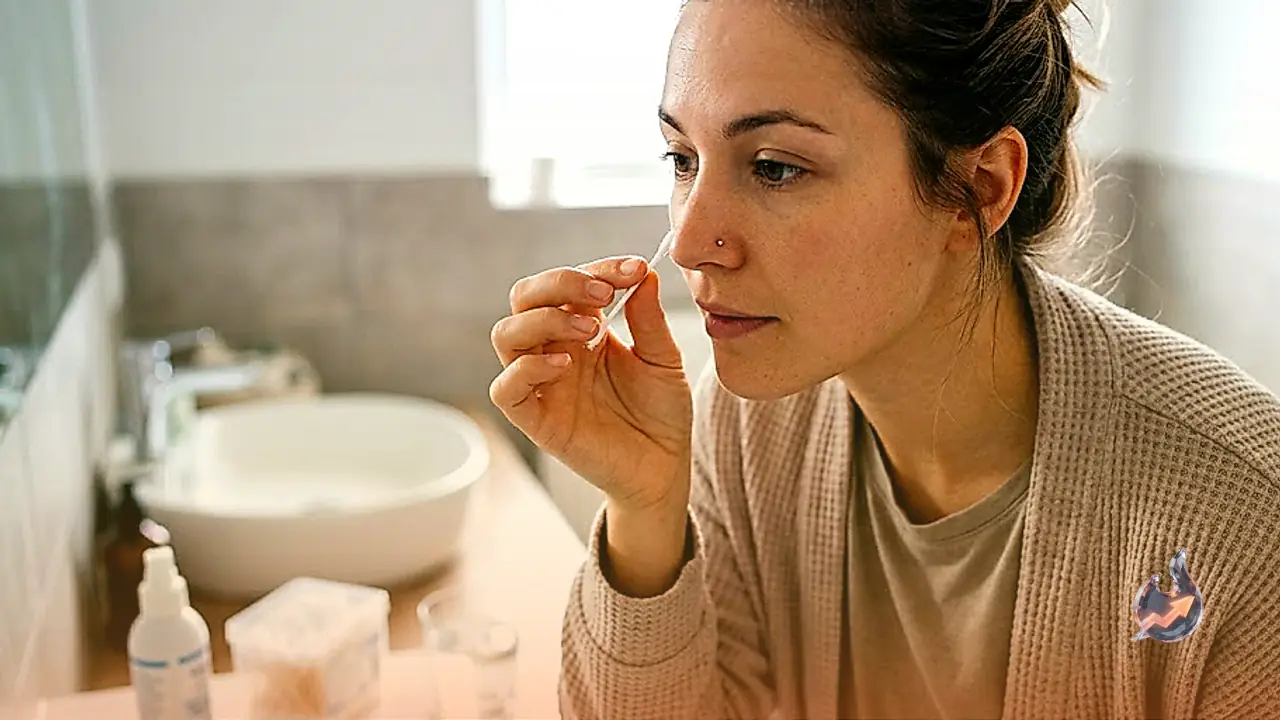















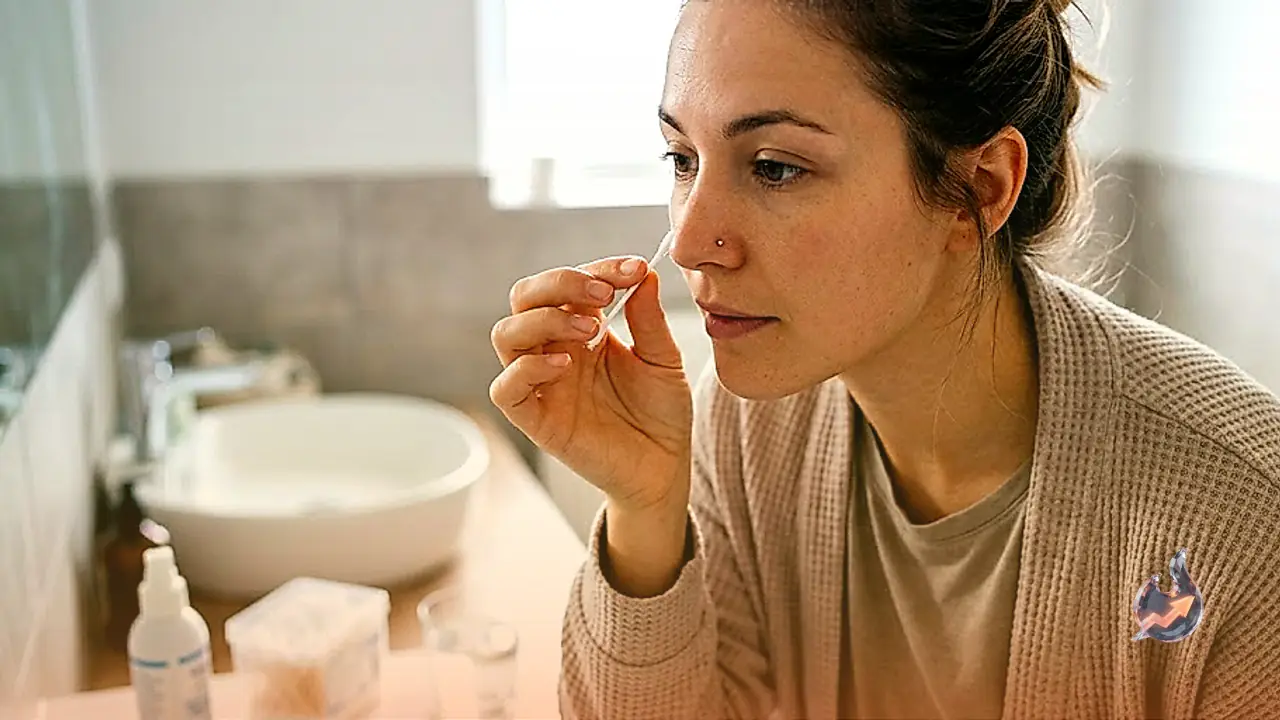

Undergoing a new ear or nose piercing requires attentive handling during the primary stages of recovery. While a fresh piercing may appear to be nothing more than a tiny aesthetic opening on the surface, beneath the skin it is effectively an open puncture wound. In the immediate aftermath, experiencing mild soreness, heightened local tenderness, and minor puffiness is entirely natural as the tissue begins repair. Nevertheless, numerous individuals inadvertently exacerbate their discomfort through improper aftercare habits. Frequently twisting the stud, experimenting with harsh household pastes, or excessively scrubbing the affected area frequently converts mild tenderness into severe inflammation and acute irritation.
Physical friction originating from hair strands, pillowcases, or tight garments can also trigger complications by repeatedly disturbing the tender tissue. Consequently, the period following a piercing should focus on patient healing rather than merely displaying new jewelry pieces. Adopting basic, scientifically grounded daily precautions shields the vulnerable skin from unnecessary trauma and keeps microbial infections at bay.
Prudent Cleaning Practices and Avoiding Excessive Washing
Maintaining cleanliness around the newly punctured site is critical, yet excessive washing can be counterproductive. Cleansing the spot multiple times a day strips the epidermal barrier of its natural protective oils, resulting in dry, cracked skin that takes longer to heal. The safest method for daily hygiene involves rinsing the site with sterile saline or a properly balanced salt water solution. Before touching the area, thoroughly wash your hands using soap and clean water to avoid transferring surface bacteria from your fingers to the open wound. Never scrub, rub vigorously, or peel at the site during washing. Furthermore, cosmetic solutions such as perfumes, face creams, makeup foundations, and heavily scented products must never be applied directly onto or near the piercing. If any product inadvertently causes a sudden surge in redness, burning sensations, or stinging, discontinue its use immediately and rinse gently with clean water.
Breaking the Habit of Twisting and Touching the Jewelry
An outdated yet widespread belief once advised individuals to continually twist and rotate earrings to prevent the metal from sticking to healing flesh. Modern dermatological insights confirm that this advice is entirely incorrect. Constantly fidgeting with, rotating, or repositioning newly placed jewelry creates persistent micro-abrasions in the fragile internal canal, repeatedly tearing new tissue growth and stalling the healing process. Refrain from touching the stud or nose pin unless hands have just been thoroughly washed for essential cleaning. When crust or dried discharge accumulates around the entry and exit holes, avoid scratching or picking it off with fingernails, as nails harbor bacteria. During routine saline rinses, allow the encrusted fluid to soften naturally under moisture rather than violently moving the jewelry to dislodge it.
Avoiding Home Remedies and Unverified Oils
Applying traditional household substances in hopes of accelerating wound closure is another hazardous misstep. Ingredients such as turmeric powder, lemon juice, raw garlic paste, apple cider vinegar, concentrated essential oils, or various herbal pastes are highly irritating to fresh puncture wounds. The underlying skin is exceptionally sensitive during the initial weeks, and applying acidic or spicy compounds causes intense chemical irritation, burning, and possible contact dermatitis. Even ordinary kitchen staples like coconut oil should not be applied indiscriminately to a raw piercing without clear professional guidance, as thick oils can trap microscopic debris and impede airflow. If specialized soothing ointments or topical solutions appear necessary, consult a qualified medical professional or certified piercing expert before applying them.
Preventing Pressure, Snags, and Mechanical Friction
Continuous physical friction against the punctured site is a primary trigger for prolonged swelling and bump formation. Following an ear piercing, avoid sleeping directly on that side of your body for an initial period so that the weight of your head does not exert sustained pressure on the jewelry. Pillowcases should be changed and laundered regularly to prevent the transfer of dust, sweat, and trapped bacteria during sleep. Those with long hair should keep strands neatly tied away to prevent loose hairs from tangling tightly around earring posts. Additionally, exercise immense care when putting on over-ear headphones, sports helmets, or tight face coverings that place direct force on the ears or nose. Dressing and undressing also demand slow, mindful movements, as shirt collars, knitwear, and loose threads can snag onto a nose ring or earring, violently yanking the fragile wound.
Metal Selection and Identifying Contact Allergies
The composition of the jewelry worn during the initial healing window plays an equally decisive role in preventing chronic irritation. Human bodies exhibit diverse sensitivities to different alloys, with base metals like nickel being notorious for triggering allergic contact dermatitis, severe itching, and persistent inflammation. Therefore, initial studs should always be crafted from body-safe, high-grade, hypoallergenic materials. Assuming that gold or silver is universally safe for all skin types is a common mistake, as lower-purity variants frequently contain traces of reactive alloys. If a persistent rash, intense burning, or spreading redness emerges shortly after jewelry placement, seek an evaluation from a doctor or dermatologist to determine whether a material allergy is present.
Recognizing Symptoms of Serious Infection
While mild tenderness and localized sensitivity are standard during early healing, clear warning signs must never be ignored. If localized pain intensifies steadily rather than subsiding, swelling expands significantly, the surrounding skin feels notably hot to the touch, or thick yellow-green discharge begins oozing from the opening, the wound may have developed an active bacterial infection. The appearance of systemic symptoms, such as an elevated body temperature or chills, indicates that medical intervention is urgent. In such instances, bypass self-medication and consult a healthcare professional immediately to obtain proper diagnosis and appropriate clinical treatment.