





















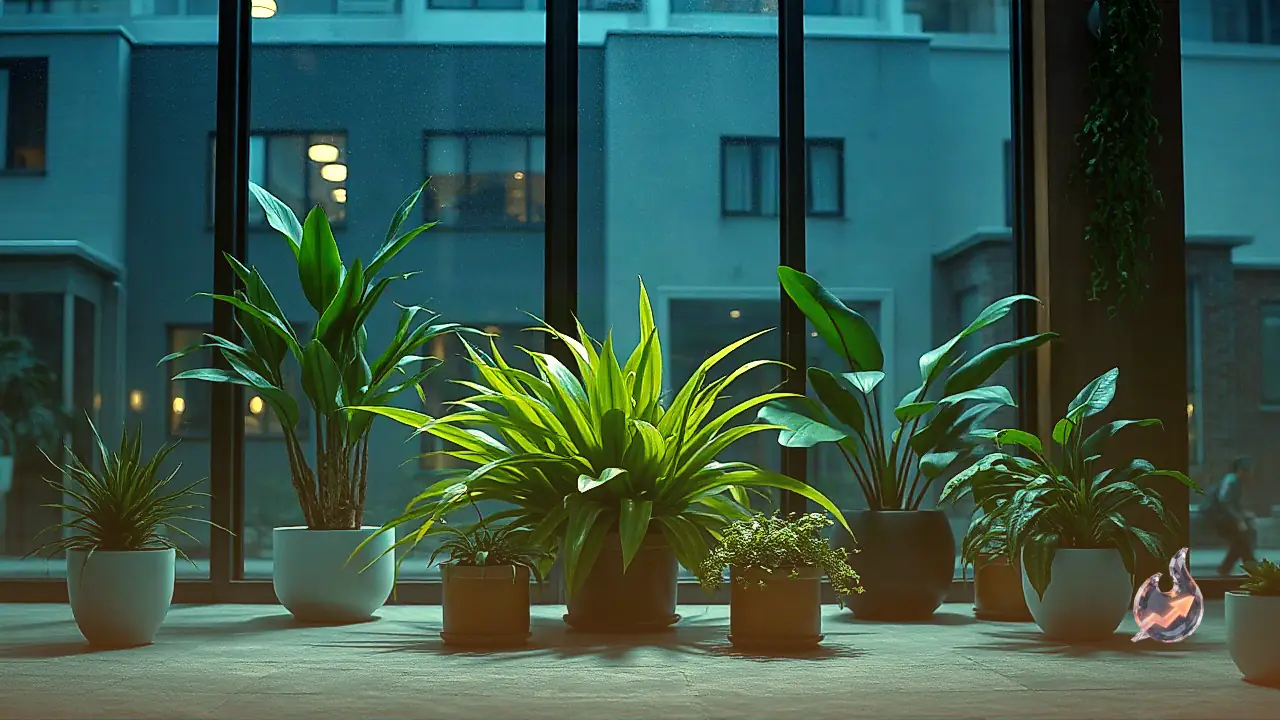

The snake plant remains one of the most popular indoor choices among plant enthusiasts due to its striking architectural appearance and low-maintenance nature. While it easily elevates the aesthetic of any room or balcony, plant owners frequently make one critical mistake that slowly deteriorates its health: overwatering. The snake plant features thick, fleshy leaves designed to store water internally, making daily or frequent watering completely unnecessary. In many instances, the top layer of soil appears deceptively dry while substantial moisture remains retained near the root system below. Pouring water without checking deeper soil levels leads to root rot. Seasonal changes also alter the plant's moisture requirements. Warm summer weather and bright light cause soil to dry out rapidly, whereas the plant can comfortably survive for several weeks without water during winter months. Deciding when to water based on actual soil conditions rather than a rigid calendar schedule is the most effective way to keep a snake plant thriving.
Watering Intervals Based on Season and Location
There is no single fixed schedule for watering a snake plant, as the required frequency depends heavily on ambient light and air circulation. If the plant is situated in a bright room with ample natural light, it generally requires watering every 2 to 4 weeks during warmer months. Conversely, during winter when daylight hours shrink and plant growth naturally slows down, this interval extends significantly to about 4 to 8 weeks. However, these timeframes serve as flexible guidelines rather than strict rules. A snake plant placed in a dimly lit corner will retain moisture in its pot for much longer periods, while one positioned right next to a sunny window will dry out far more rapidly. Always assess the plant's exact environmental placement before deciding to water.
Three Simple Methods to Test Soil Moisture
Avoid watering simply because the top surface of the soil appears dry. Before picking up the watering can, use these practical techniques to verify moisture levels
- The Finger Test: Insert your finger approximately 2 inches deep into the soil. If the soil feels cool or damp at that depth, withhold water and recheck in a few days.
- Lifting the Pot: Pick up the pot to gauge its weight. Soil becomes considerably lighter as it dries completely. With a little practice, lifting the container gives a clear indication of whether the plant needs hydration.
- The Wooden Skewer Test: For deeper or larger pots where your finger cannot reach far enough, push a thin wooden stick or skewer several inches into the soil. If it comes out with moist soil clinging to it, hold off on watering.
Impact of Pot Material and Size
The type of container used plays a major role in how long moisture stays in the soil. Terracotta pots are porous, allowing air and moisture to evaporate through the walls, which causes the soil to dry out much faster than in plastic or glazed ceramic pots. Furthermore, placing a small plant in an oversized pot leaves excess soil that retains moisture for dangerously long periods. Always select a container equipped with proper bottom drainage holes. Allowing standing water to collect inside a decorative outer cover pot will suffocate the roots and lead to decay.
Ditch the Fixed Weekly Routine for Thorough Drenching
If you have set a recurring calendar reminder or phone alarm to water your plant every Sunday, update it immediately. The reminder should prompt you to check the soil moisture rather than blindly pour water. If you watered the plant last week and the soil remains damp this week, skip the watering session entirely. When testing indicates that the soil is fully dry, avoid giving small daily dribbles of water. Instead, soak the soil thoroughly until excess water streams out through the bottom drainage holes. Allow the pot to drain completely for a short while, and make sure to empty any standing water from the saucer or decorative outer planter. Always direct water straight onto the soil rather than letting it settle between the leaves.
Recognizing Signs of Overwatering vs. Underwatering
Yellowing leaves are frequently misdiagnosed as a sign of dehydration, leading owners to add even more water. However, yellow leaves combined with soft, mushy leaf bases and soggy soil are classic indicators of overwatering and root rot. On the other hand, if the soil is bone dry and the leaves appear wrinkled, shriveled, or drooping, the plant is experiencing prolonged underwatering. Paying close attention to both leaf texture and soil dampness ensures your snake plant remains healthy year-round.