



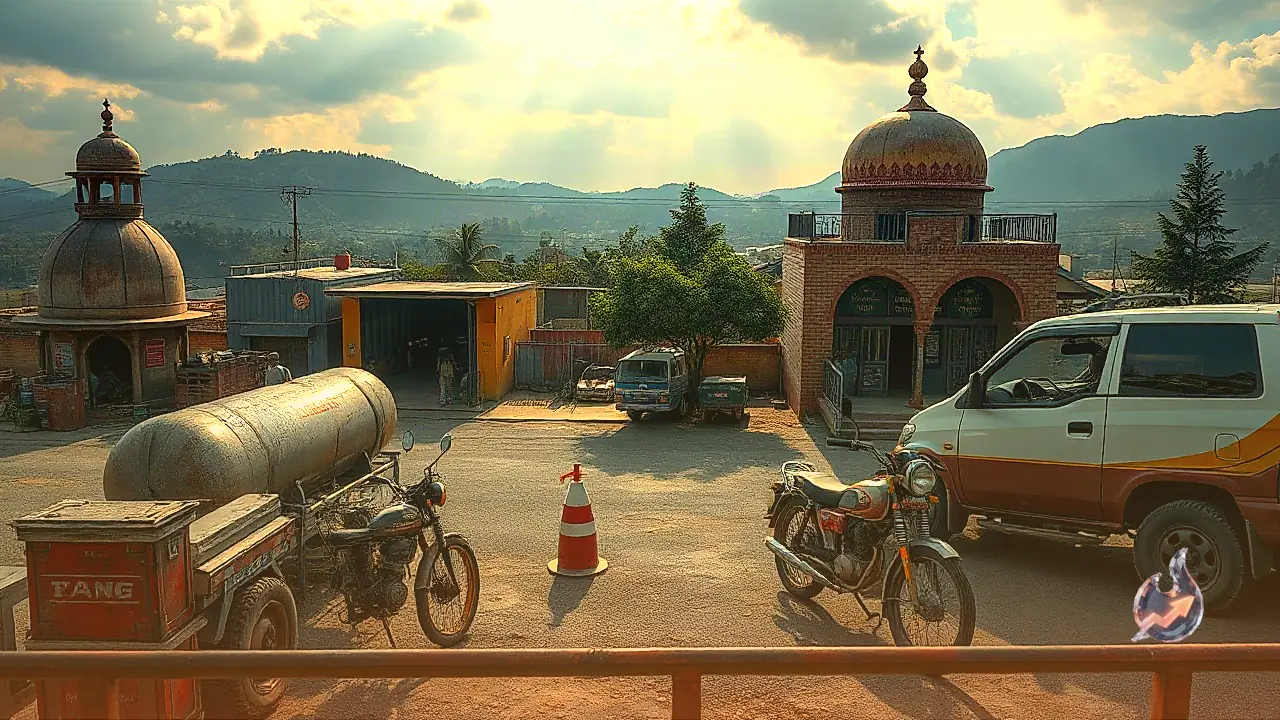















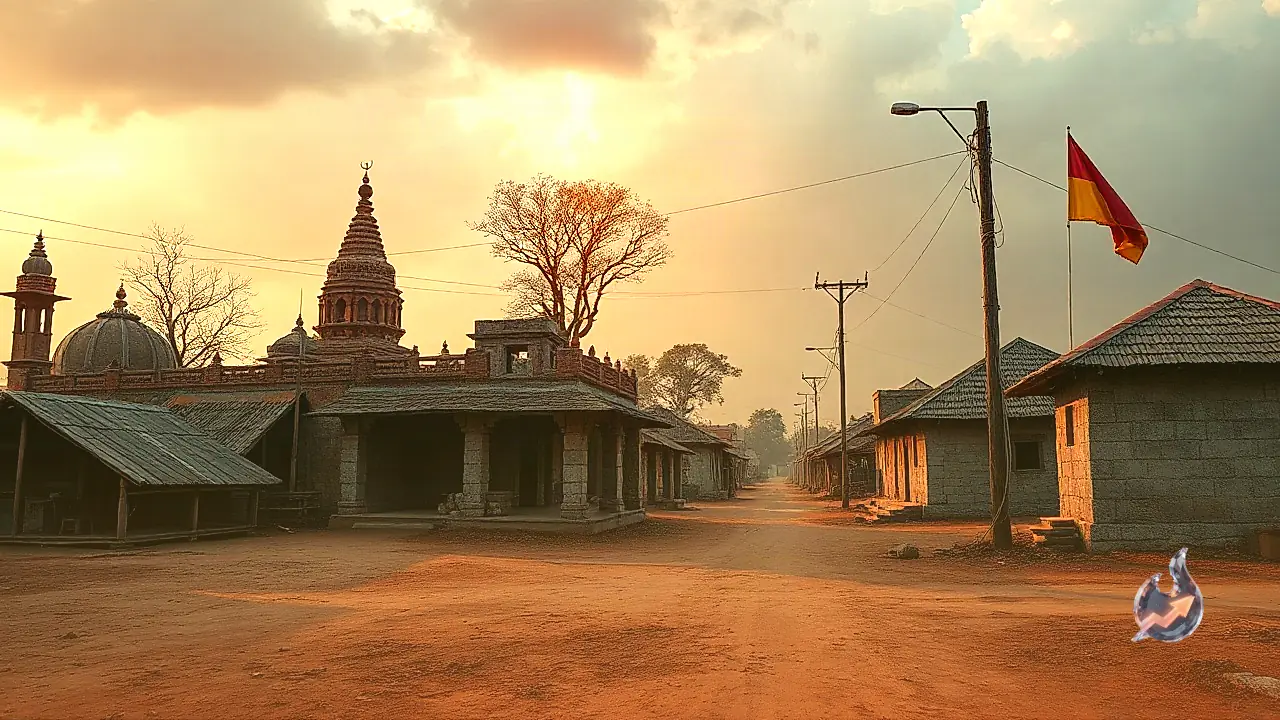

In an era dominated by regional languages and English, a remarkable settlement in southern India continues to maintain Sanskrit as a living medium of daily communication. Located near Shivamogga city in the Shimoga district of Karnataka, the village of Mattur has earned global recognition for its unique linguistic culture. Nestled along the banks of the Tungabhadra River, this traditional hamlet sees its residents casually conversing in Sanskrit during routine interactions. Frequently designated as India's Sanskrit village, Mattur has captured widespread attention both nationally and internationally, drawing visitors and scholars who wish to witness this ancient tongue used in everyday life.
Vedic Heritage and Educational Foundations
The origin of Mattur's distinct linguistic tradition lies in its deep-rooted educational and religious heritage. For generations, the village has nurtured a strong culture of Vedic learning and classical Sanskrit scholarship. Local educational structures and community practices play a vital role in encouraging the language's active use. Children in Mattur are introduced to Sanskrit lessons at a very young age, learning basic vocabulary, conversational phrases, and traditional recitations. In numerous households, family members naturally incorporate Sanskrit into their regular discussions, ensuring that younger generations acquire fluency without hesitation or friction. This continuous cycle of learning has enabled the language to thrive rather than remain a static academic subject.
Balancing Modern Professions with Cultural Preservation
Mattur's identity extends far beyond its conversational language, as the village remains deeply anchored in broader Indian culture, Vedic studies, and traditional systems of knowledge. Educational initiatives and cultural practices centered around Sanskrit are accorded high priority by the community. A significant portion of the village population has pursued modern higher education and works in contemporary fields and professions. Nevertheless, these individuals remain committed to safeguarding their ancestral heritage. By successfully balancing modern career demands with the preservation of their linguistic roots, the people of Mattur demonstrate how ancient traditions can comfortably coexist with modern lifestyle requirements.
Coexistence with Kannada and Daily Realities
While popular accounts often claim that Sanskrit is spoken in every single household in Mattur, this statement is best understood as a general reflection of the village's vibrant environment rather than a strict literal fact. In reality, the residents also rely heavily on Kannada, the official regional language of Karnataka, alongside other tongues for daily activities. The true distinction of Mattur does not lie in the exclusion of other languages, but in how Sanskrit has transcended its conventional boundaries. Rather than being confined solely to temple rituals, sacred texts, or formal ceremonies, Sanskrit occupies a functional and respected place in the social and educational life of the community. Visitors are frequently surprised and impressed to hear villagers greet one another and engage in light casual dialogue using fluent Sanskrit.
A Living Blueprint for Language Conservation
At a time when Sanskrit is commonly perceived as an ancient language restricted to historical scriptures and religious rites, Mattur provides a powerful demonstration of language revival. The village illustrates how dedicated community involvement, structured education, and cultural pride can keep a classical language vibrant across generations. For enthusiasts of linguistics, history, and cultural heritage, Mattur stands out as a fascinating travel destination within India, offering a firsthand view of how traditional knowledge can flourish in the modern world.