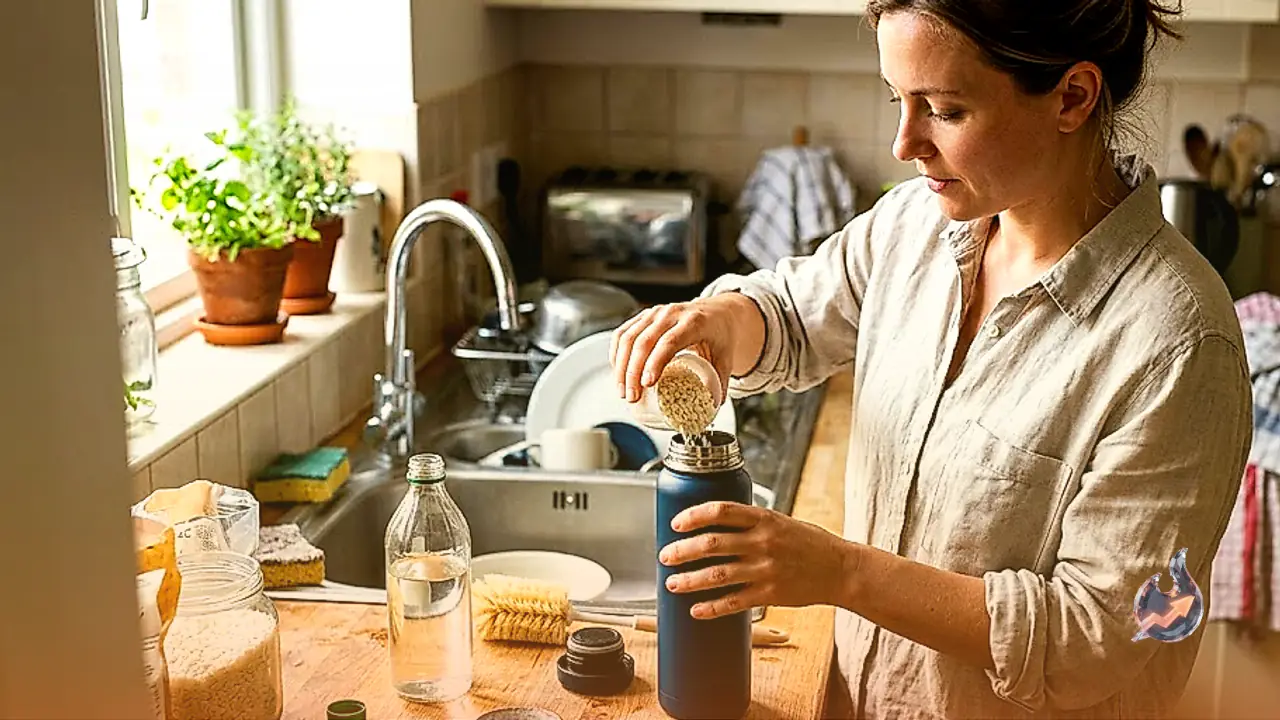

























Table salt is found in nearly every kitchen pantry primarily as a seasoning, yet its physical characteristics also make it an effective, everyday tool for domestic maintenance. Routine housework frequently involves stubborn minor annoyances, such as persistent aromas rising from drains, stained drinkware, and lingering food scents on preparation surfaces. Simple pantry staples can resolve several of these issues without immediate recourse to specialized formulas. Nevertheless, salt possesses distinct abrasive properties that demand caution, making an understanding of suitable surfaces and proper techniques essential before application.
Tackling Stains and Residue on Drinkware
The natural crystalline structure of salt provides mild abrasion, allowing it to lift grime from surfaces that can withstand gentle friction. When tea or coffee leaves light rings and discoloration inside ceramic mugs or cups, applying a modest amount of salt combined with a splash of water creates a gentle scrub. Using a soft sponge to rub the affected areas lifts the staining without requiring aggressive force. Rinsing the vessel thoroughly under fresh running water restores its cleanliness without leaving chemical odors behind.
Clearing Kitchen Sink Smells and Drain Buildup
Accumulated food scraps, grease, and moisture inside a kitchen sink drain frequently generate unpleasant smells over time. Pouring a measure of salt into the opening followed by a generous flush of hot water helps dislodge loose grime and neutralize routine drain odors. This mixture serves as a practical maintenance habit for ordinary kitchen upkeep. However, relying solely on salt is ineffective if a drain is physically clogged or if sewage odors persist continuously, conditions that require mechanical clearance or specialized intervention.
Removing Strong Aromas from Wooden Cutting Boards
Slicing onions, garlic, and pungent spices often leaves stubborn odors embedded within wooden cutting boards. A standard domestic remedy involves sprinkling a layer of salt across the board and gently buffing the surface with the cut side of a lemon. The combination of salt crystals and citrus juice neutralizes trapped organic compounds. Once finished, the board must be rinsed with plain water and dried immediately with a towel. Allowing excess water to linger on wooden boards is detrimental, as prolonged moisture exposure causes warping and fiber damage.
Handling Glassware and Stainless Steel Fixtures
Salt can also help lift thin films of grime from glass items and stainless steel fixtures when properly prepared. Direct, dry rubbing against sensitive materials must always be avoided, as rough friction introduces micro-scratches. Blending salt with water or an appropriate liquid cleaning medium buffers the contact, protecting finishes while still breaking down residue. Particular vigilance is needed on polished coatings, thin glass, and high-gloss items susceptible to abrasive wear.
Precautions for Fabric and Laundry Stains
Many traditional domestic tips recommend applying salt to treat fabric stains, but results vary widely depending on the material and the nature of the mark. Different textiles, synthetic blends, and dye formulations react unpredictably to salinity. Before treating any garment, reviewing the care label instructions is essential. Testing a small amount of salt solution on an inconspicuous hem or hidden seam prevents permanent discoloration or fiber weakening across visible areas.
Avoiding Salt in Home Gardening and Soil Care
A frequent misconception in domestic plant care is introducing salt into potted soil as a home remedy or fertilizer. Excessive salinity in potting soil disrupts water absorption, damages root systems, and ultimately stunts or kills domestic plants. Salt should be kept away from garden beds and container plants unless verifiable instructions specifically recommend it for a particular botanical species. Soil environments vary significantly, and general household solutions should not be indiscriminately applied to flora.
Surfaces to Avoid When Cleaning with Salt
While salt is a handy domestic aid, it cannot serve as a universal remedy for every maintenance problem. Porous natural stone, marble countertops, polished lacquers, and delicate protective coatings can easily suffer abrasion from salt grains. Whenever salt is used for cleaning, wiping down the treated area thoroughly with fresh water and a clean cloth ensures no powdery residue or mineral marks remain behind.