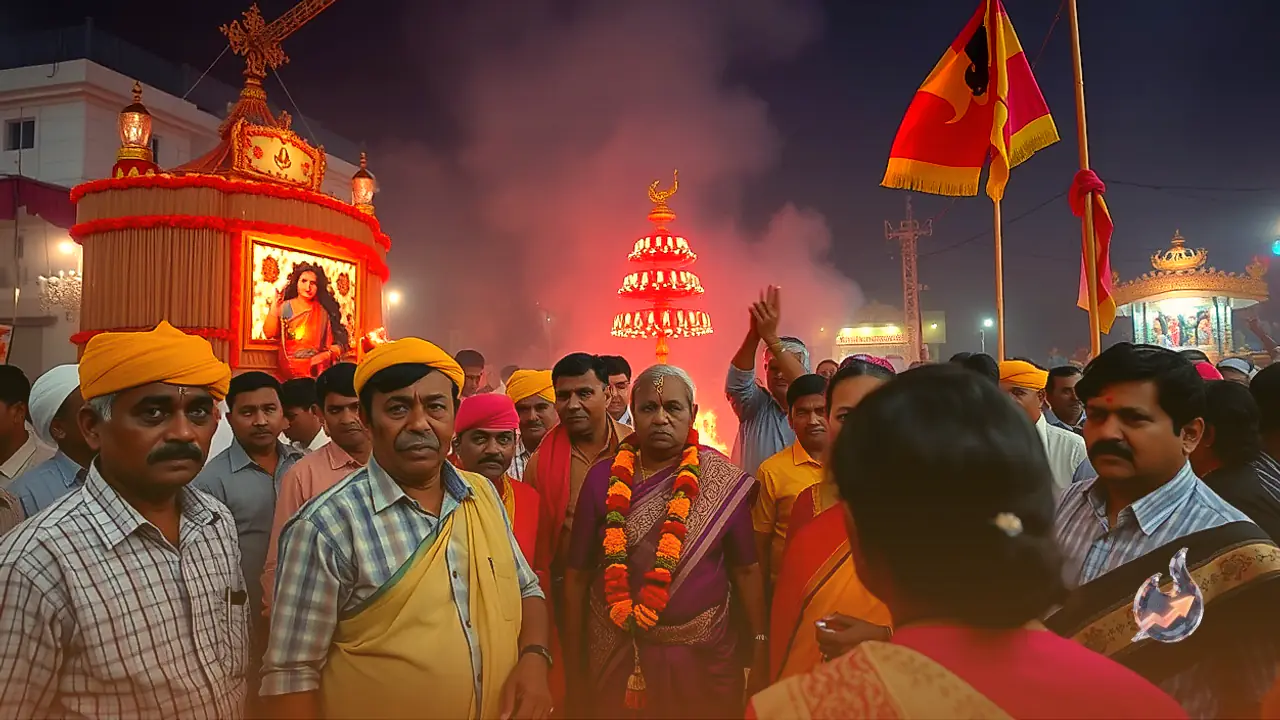




















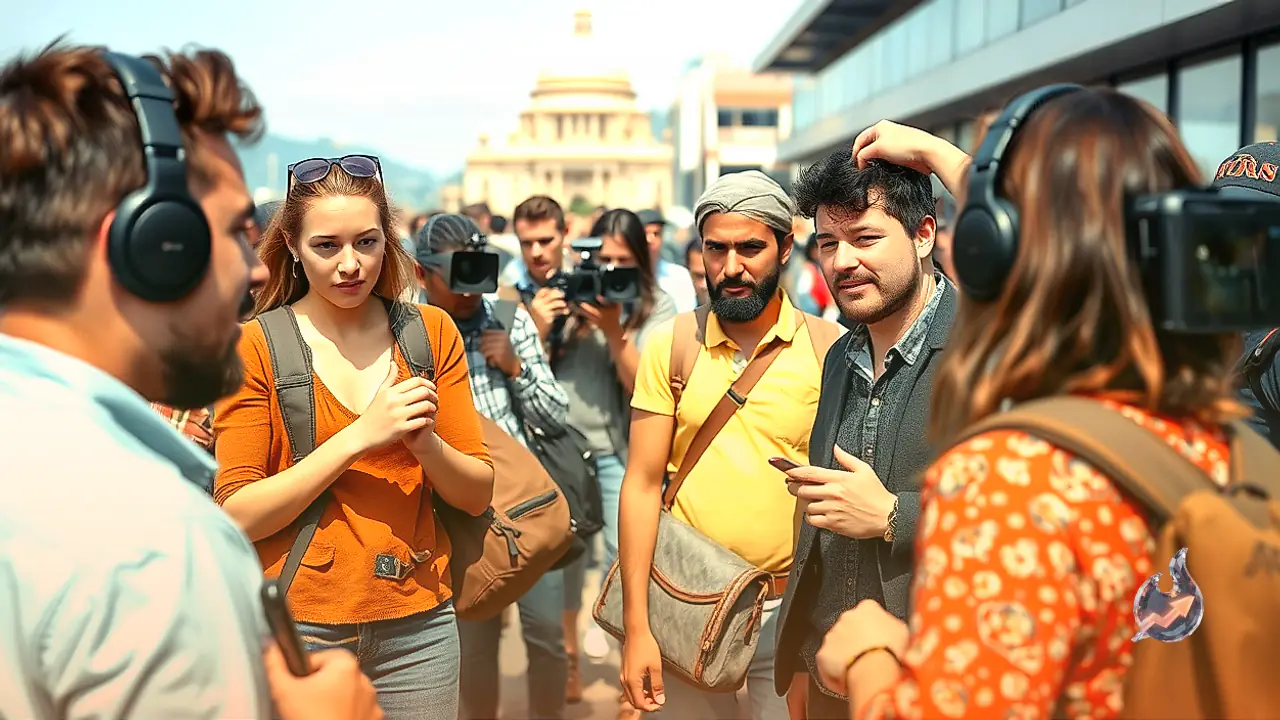

Pulling out a smartphone camera upon arriving at a scenic vacation spot has long been a default habit. Mountains prompt photos, waterfalls invite video clips, and iconic landmarks naturally call for selfies. Yet, a growing number of travellers are now subtly altering this routine. Alongside the camera, they are switching on their smartphone voice recorders to capture the unique ambient sounds of the places they visit. Ocean waves breaking against the shore, gusting winds cutting across mountain ridges, the rhythmic ringing of temple bells, the lively murmur of a local marketplace, or birdsong across a tranquil village are all becoming integral keepsakes of their travels.
This evolving mindset has driven the rise of audio travel, widely referred to as sound tourism, which prioritises experiencing a destination by listening rather than relying exclusively on sight.
Understanding Sound Tourism and the Sensory Shift in Travel
At its core, audio travel means paying close attention to the defining acoustic characteristics of a location and preserving them as personal memories. Also recognised as sonic tourism, this approach does not discount beautiful scenery; rather, it elevates ambient sound into an equally vital dimension of the travel experience. Across the globe, numerous locations derive their primary charm from acoustic phenomena. Initiatives such as the Sonic Wonders project catalogue distinctive sounds from varied regions, encouraging travellers to discover and map destinations through their distinct soundscapes.
More Than a Recording, a Fresh Way to Anchor Memories
Photographs provide visual evidence of a trip, but audio recordings often trigger far more immediate and evocative emotional recall. A picture taken at the seaside confirms how the water looked on a particular afternoon, yet playing back the steady, rhythmic crash of the surf can recreate the seaside atmosphere in an instant. Similarly, the whistle of wind along an exposed ridge, station announcements echoing through a junction, or early morning birdsong in a small town can define a trip far more uniquely than standard snapshots. For this reason, audio travel is far more than a technical curiosity. It represents a balanced way of engaging with a destination through both sight and sound. Tourism studies similarly identify soundscapes as a crucial element in shaping place identity and enriching visitor experiences.
Smartphone Technology and the Shift Away from Heavy Equipment
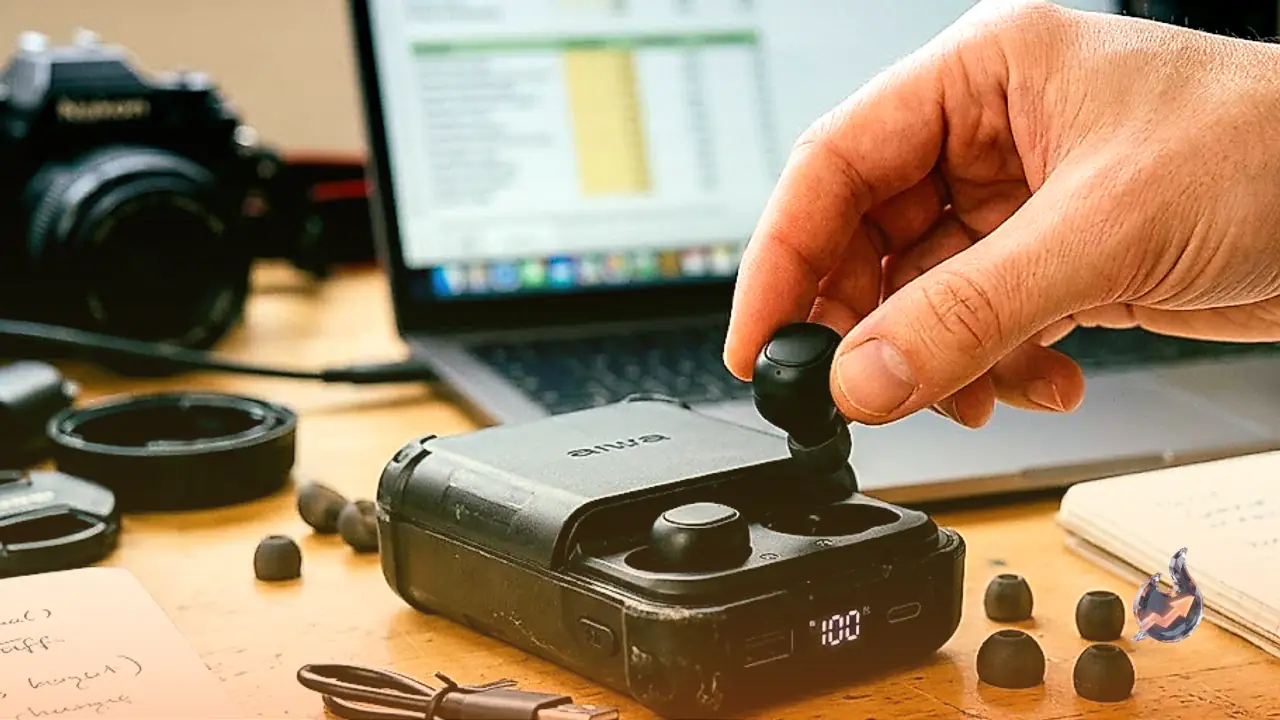
Capturing high quality field recordings once required cumbersome specialized equipment, placing sonic exploration beyond the reach of regular holidaymakers. Today, modern smartphones come equipped with capable built-in microphones and intuitive recording tools, allowing anyone to capture delicate ambient sounds without carrying dedicated hardware. This technological accessibility has democratised the practice for ordinary travellers. Social platforms have amplified interest even further. Where holiday memories were once stored in static photo albums, travellers can now post short audio clips conveying how quiet a misty valley sounded at dawn or how vibrant a bazaar felt as dusk settled.
Identifying Sounds That Define a Travel Memory
Engaging in audio travel does not require chasing rare or dramatic acoustic spectacles. Often, the simplest, most everyday ambient noises form the most enduring memories. A temple bell ringing at daybreak in a village, rainwater dripping from leaves after a shower, a passenger train pulling into a remote station, rolling ocean waves, forest birdsong, or natural echoes bouncing off ancient stone walls can all be preserved. India features several historic sites where architectural design directly intersects with acoustic wonder. The celebrated whispering gallery inside Gol Gumbaz in Karnataka, for instance, is renowned worldwide for its remarkable acoustic reflections and echoes. International listings compiled by Sonic Wonders highlight notable Indian landmarks, including Gol Gumbaz and Golconda.
Etiquette and Respect While Capturing Field Audio
The core ethos of sound tourism is to appreciate a location, not to disrupt its quiet or disturb local life. When recording, speaking loudly, deliberately generating artificial noise, or recording the private conversations of bystanders is inappropriate. Especially in natural habitats and heritage reserves, travellers must respect the local environment, personal boundaries, and established conservation guidelines.