
























Home cooks frequently find themselves puzzled after preparing a rich paneer or vegetable curry using fresh produce, fragrant spices, and familiar oils, only to find the end result lacking the distinctive punch of a professional kitchen. The gravy might look appealing and the quantity of seasoning may appear spot on, yet the palate detects an unmistakable flatness. A common reaction is to assume that commercial restaurants rely on heavily guarded spice blends, industrial flavor enhancers, or exotic ingredients beyond household reach. In reality, the difference rarely comes down to secret supplies. It is almost entirely rooted in cooking technique, temperature discipline, and the specific sequence in which everyday pantry items enter the pan. In the hurry of weekday meals, home kitchens frequently rush essential foundational steps or combine separate stages, compromising the final aroma, body, and balance of the dish.
Building the Gravy Base Demands Patience and Proper Browning
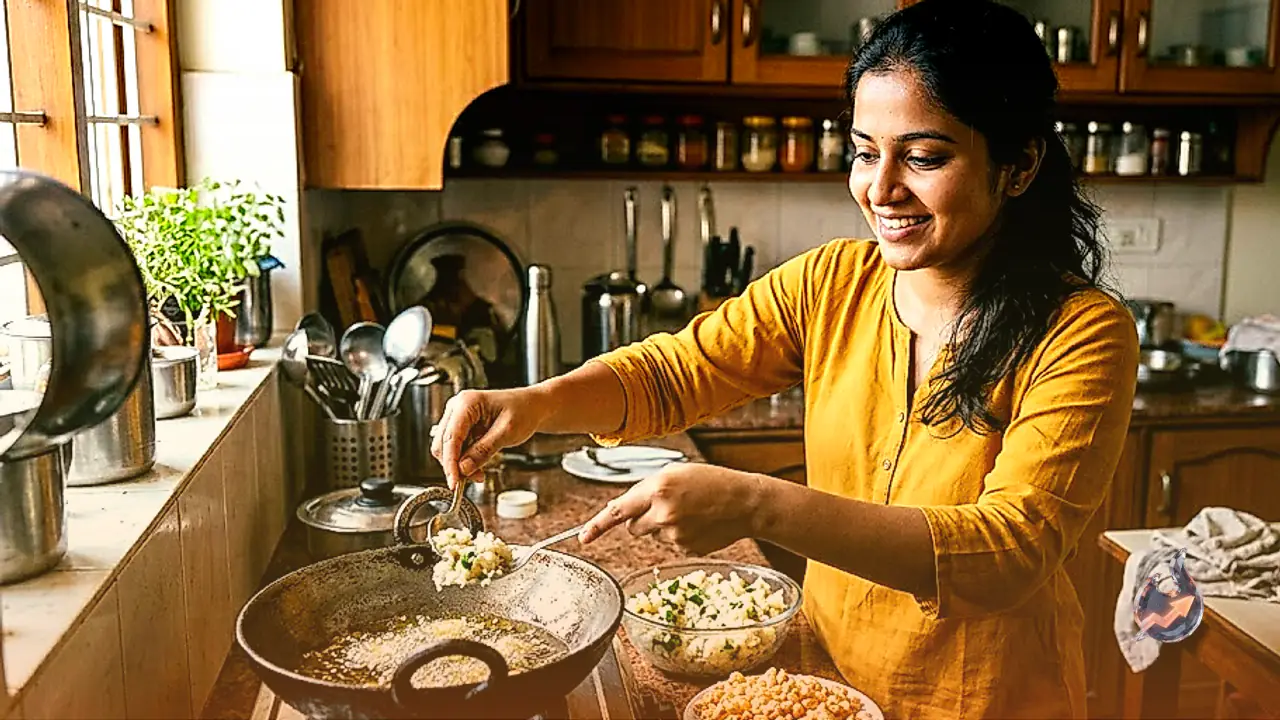
A restaurant quality curry does not depend on a unique list of raw ingredients. Onions, tomatoes, garlic, ginger, and basic spices are standard across homes and commercial establishments alike. The crucial divergence occurs during the initial preparation and caramelization stages. In domestic cooking, onions are often sautéed hurriedly on high flame for just a couple of minutes before purees or powdered spices are dumped into the pan. While this cooks the onion through, it completely skips the slow breakdown required to release its natural sweetness and caramelized depth. Commercial preparations allow the aromatics sufficient time to cook down slowly. The base mixture is stirred until the moisture fully evaporates and the fat cleanly separates from the paste, eliminating raw vegetal sharpness and laying a harmonized groundwork for the sauce.
The Critical Role of Spice Timing and Temperature
Another frequent misstep is dumping every dry ground spice into the pot simultaneously. When coriander, turmeric, red chilli, and garam masala are introduced as a clump, their distinct volatile notes blend into a generic, muddy taste rather than layering the dish with complexity. Timing determines how spices express their natural oils. Whole spices like cinnamon, cloves, bay leaves, and cardamom require a few seconds in hot oil right at the start so their fat-soluble essences infuse the cooking medium. Conversely, finely ground spices burn almost instantaneously over high heat, turning bitter and dull. Lowering the flame and introducing a splash of moisture alongside powdered spices protects their delicate compounds from scorching, keeping the sauce vibrant and pleasant.
Rushing Liquid Turns Sautéing Into Boiling
Achieving a velvety, glossy gravy does not simply require pouring in excessive quantities of butter, oil, or heavy cream. The true secret lies in ensuring the primary base is thoroughly roasted before any liquid enters the picture. When onions and tomatoes are correctly sweated and reduced together, their flavors consolidate into a cohesive unit. In domestic kitchens, water is often introduced far too early in an attempt to speed up the process. Introducing excess liquid prematurely halts the browning reaction, causing raw spices and aromatics to boil in liquid rather than roast in fat. Boiled aromatics produce a watery, separated mouthfeel. If a recipe calls for bhunao or frying the base until oil glazes the edges, that reduction must be completely finished before pouring in any stock or water.
High Heat Rushing Versus the Depth of Low Flame Cooking
Attempting to cut preparation time by keeping the burner on maximum heat remains a major pitfall for home meals. Under fierce heat, the exterior surfaces of onions, garlic, and powdered seasonings brown rapidly, creating an illusion of readiness while the inside remains uncooked and harsh. Rich curries and traditional spiced dishes require steady medium to low heat to achieve true depth. Simmering gently allows cell structures to break down evenly, coaxing out natural juices that bind with the cooking fats. This deliberate reduction yields that smooth, clinging restaurant consistency that coats a spoon effortlessly without watery separation.
Balancing Salt and Water Ratios
When a curry tastes flat at the dining table, the culprit is often not an under-measurement of salt, but rather an over-measurement of water. Drowning a dish in excess liquid dilutes the concentration of spices, leaving the overall flavor thin and disjointed. Cooks then attempt to salvage the blandness by tossing in extra salt or dry powders late in the process, which throws the harmony out of proportion. Rather than dumping large volumes of water into the pan in one go, liquids should be added gradually in small increments, preferably warm, until the desired thickness is reached. Monitoring fluid volume closely is a straightforward adjustment that immediately elevates everyday preparations.
Preserving the Aromas of Finishing Ingredients
Garnish and finishing components such as fresh coriander, crushed dried fenugreek leaves, garam masala, and fresh dairy cream are meant to be added at the conclusion of cooking. Adding delicate powders like garam masala or crushed herbs early and subjecting them to vigorous, prolonged boiling drives off their volatile aromas into the steam, leaving behind only dull remnants. Crushing dried fenugreek between palms and sprinkling aromatic finishing spices into the pot just a minute before turning off the heat preserves their fragrant top notes. When the final dish is opened at the table, these aromatic oils hit the senses immediately. By matching kitchen timing, heat management, reduction stages, and liquid volume to proper culinary techniques, any home cook can transform ordinary pantry staples into dishes that rival the finest eateries.