





















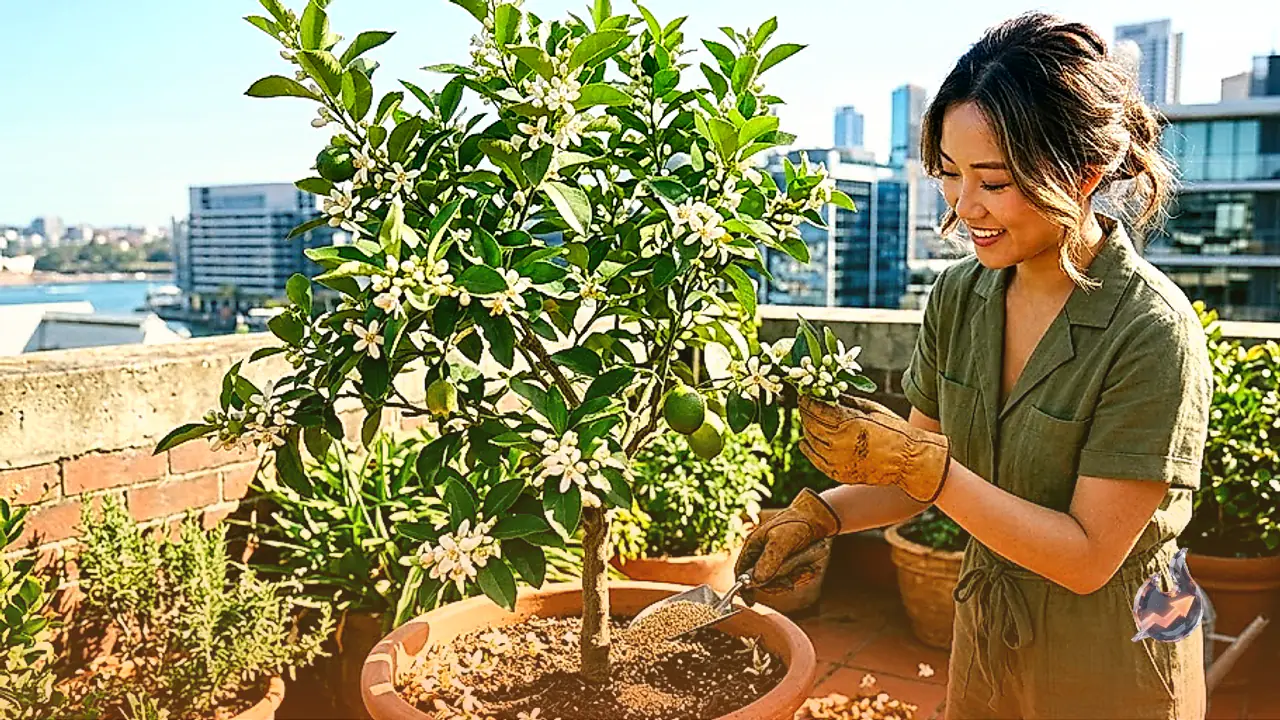

Cultivating a potted lemon tree in a home garden or balcony is a deeply rewarding project, yet coaxing it to produce a generous crop of juicy fruit can test the patience of even diligent gardeners. Quite frequently, the foliage remains lush and deep green, with healthy new shoots unfurling across the branches, only for flower buds to either fail to emerge or drop abruptly within days of blooming. When this happens, merely sticking to a basic routine of pouring water and leaving the pot on the patio is rarely sufficient. A citrus plant undergoes distinct physiological shifts as it matures, and its nutritional requirements fluctuate accordingly. During the critical flowering phase in particular, the chemical balance of nutrients in the root zone dictates whether blossoms successfully set fruit or simply wither away.
Because container potting mixes hold only a limited reservoir of plant food that depletes over time, replenishing the soil correctly becomes paramount. When flower drop occurs, introducing phosphorus-rich amendments alongside balanced care provides the nutritional foundation needed to convert delicate blooms into thriving fruit clusters.
The delicate flowering stage and nutrient requirements
The moment flower buds begin to swell, the daily care regimen of a lemon plant must adapt. At this sensitive juncture, the tree demands continuous direct sunlight, tightly calibrated watering, and a steady supply of essential macro and micronutrients. Chief among these is phosphorus, a primary plant nutrient renowned for fostering vigorous root development. Robust roots expand the plant's surface area, allowing it to efficiently draw moisture and minerals from the potting mix. Beyond root architecture, phosphorus plays an indispensable role in triggering reproductive growth, energy transfer, and the intricate biochemical processes of bud formation and fruit set.
Nevertheless, growers should bear in mind that applying phosphorus alone is no silver bullet for multiplying blossoms. The overall age of the citrus specimen, the physical condition of the growing medium, hours of direct sun exposure, irrigation precision, and baseline plant health all heavily influence the final yield. An overly aggressive feeding on a young or stressed plant can do far more harm than good. Consequently, any fertilizer application should always be metered out in measured, balanced doses rather than excessive dumps.
Phosphorus sources and correct soil application
Among organic and slow-release options, steamed bone meal is widely utilized by gardeners to nourish fruit-bearing trees. Bone meal acts as a dependable reservoir of natural phosphorus that breaks down gradually in the substrate, feeding the root network without causing sudden chemical spikes. If soil analysis or plant behaviour suggests a deficiency, bone meal can be incorporated into the upper couple of inches of the soil following the dosage guidelines printed on the product packaging.
Restraint is critical when applying bone meal to containerized plants. In small pots, adding excessive amounts can easily destabilize the delicate nutrient equilibrium and alter soil chemistry, potentially leading to root damage or salt accumulation. Once the amendment is worked into the soil surface, the potting mix should be kept lightly and evenly moist to activate microbial breakdown and assist the roots in absorbing the available nutrients.
Rock phosphate represents another naturally mined mineral fertilizer valued in both sustainable farming and domestic gardening for its phosphorus content. Before scattering rock phosphate around a lemon tree, it is prudent to evaluate whether the soil is truly depleted and to adhere strictly to recommended application rates. If the existing potting compost is already nutrient-rich and possesses adequate phosphorus levels, applying supplemental rock phosphate offers zero added benefit. Sound horticultural practice relies on delivering a complete, well-rounded nutritional diet rather than overloading a single element.
Utilizing banana peel waste for natural potassium
For home growers who prefer crafting their own organic amendments, discarded banana peels offer a cost-effective source of plant nourishment. Banana peels are naturally rich in potassium, a vital nutrient that aids in cellular fluid regulation, strengthens stem walls, and directly improves fruit sizing, sweetness, and juice content. Furthermore, they contain trace elements that enrich the microbial life of the container medium.
However, simply burying fresh, raw banana peels directly into the soil is an unadvisable shortcut. Raw peels decompose slowly inside enclosed pots, often attracting unwanted pests, fungal gnats, or harmful mold while creating unpleasant odors. A far more effective method is to thoroughly sun-dry the peels until they become brittle, then pulverize them in a blender into a fine meal. This dry powder can be dusted over the surface soil and worked in during regular aerating. Alternatively, the dried peels can be processed through a home compost bin. Even when preparing a diluted liquid extract by soaking peels, moderation is essential, as the effectiveness of domestic remedies hinges entirely on careful preparation and restrained application.
Lighting, moisture control, and the reality of natural drop
Even the most meticulously balanced fertilizing schedule will fail to produce fruit if environmental conditions are neglected. Citrus trees are strictly sun-loving organisms that require multiple hours of unfiltered, direct sunlight every single day to fuel the energy demands of fruiting. Placing a container in an obstructed patio corner or beneath dense shade will stunt vegetative vigor and cause flower buds to abort prematurely due to lack of photosynthesized carbohydrates.
Moisture regulation during the bloom period is equally unforgiving. The potting medium should neither be permitted to dry out into a hard crust nor kept in a persistently waterlogged state. Saturated soil suffocates root systems by displacing oxygen, inducing severe stress that prompts the tree to jettison its blossoms as a survival reflex. Ensuring that the container possesses clear, unblocked drainage holes is non-negotiable. Finally, it helps to keep expectations realistic: observing a portion of open flowers or pinhead-sized lemons tumbling off the twigs is completely standard. Citrus trees naturally shed a substantial percentage of their bloom volume to self-regulate what their branches can physically support. Exercising patience while preserving a steady balance of sun, hydration, and soil nutrition remains the surest path to an abundant harvest.