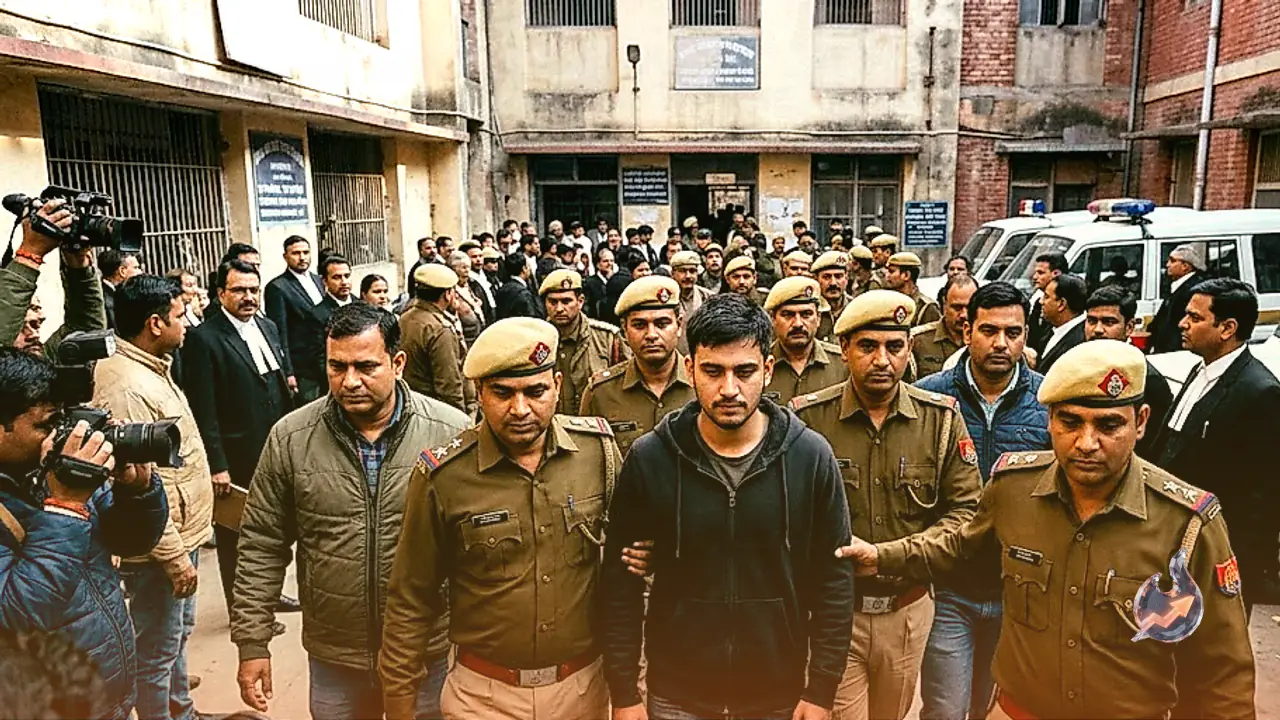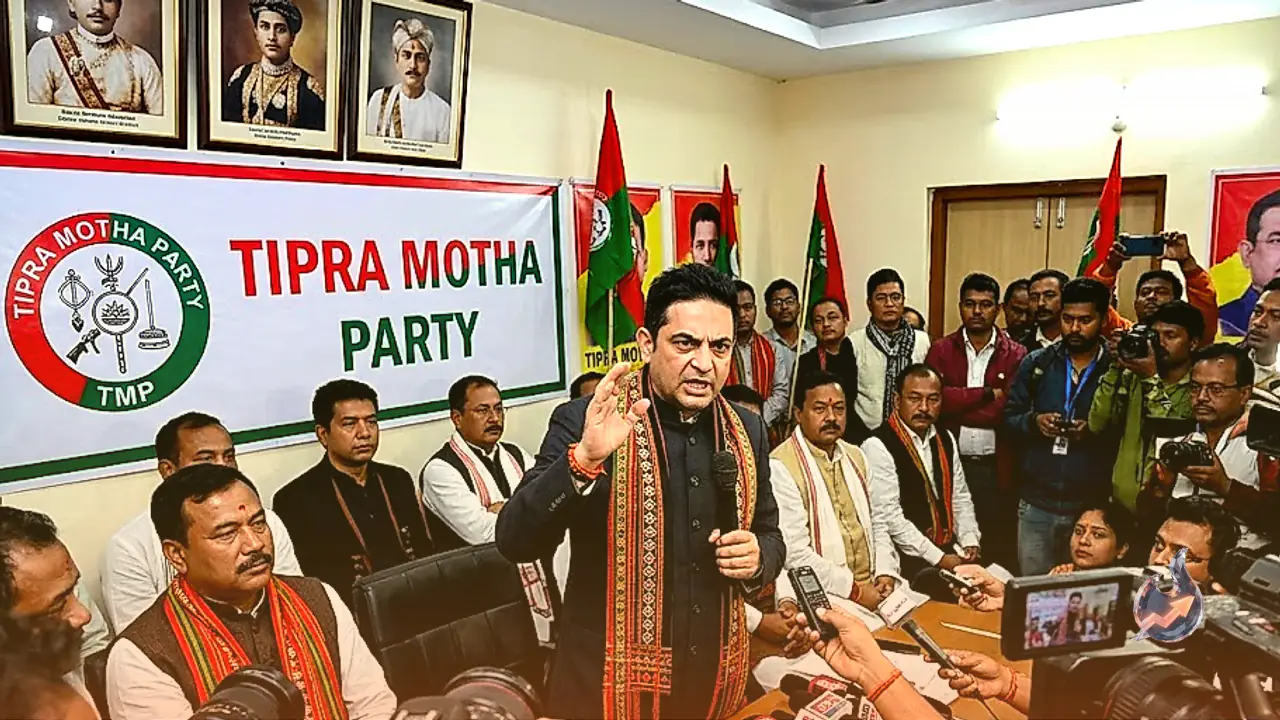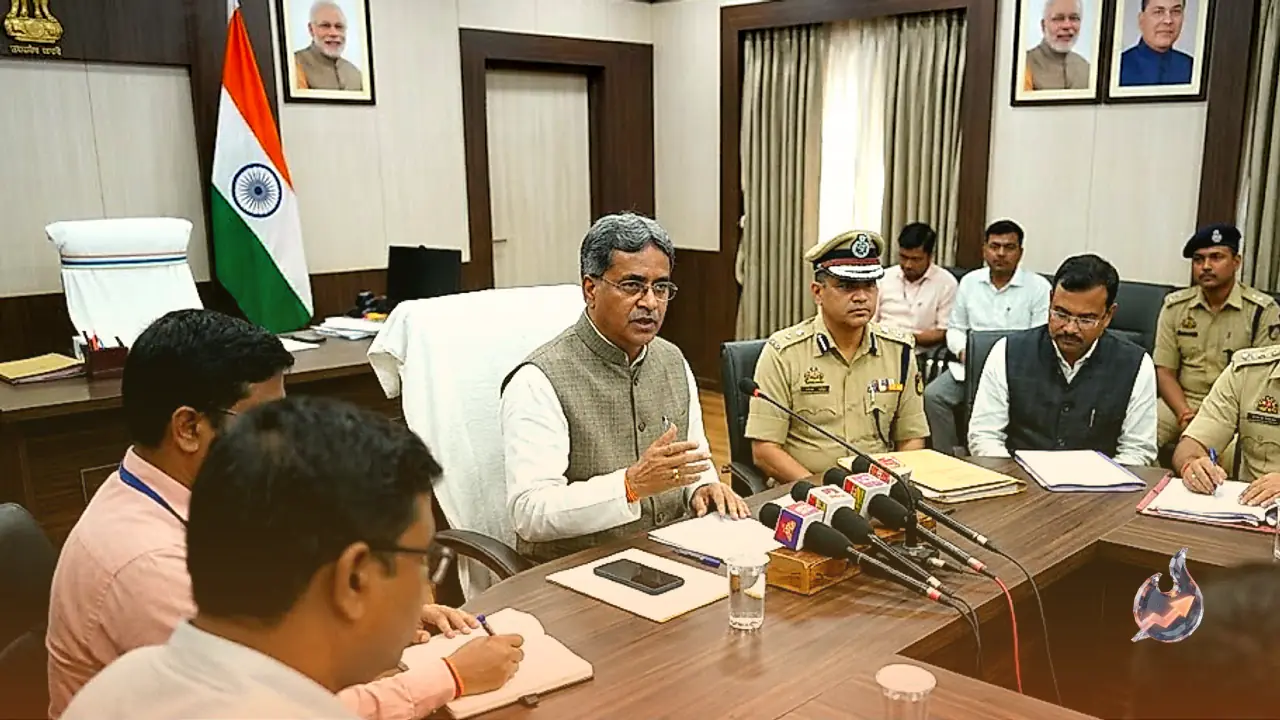






















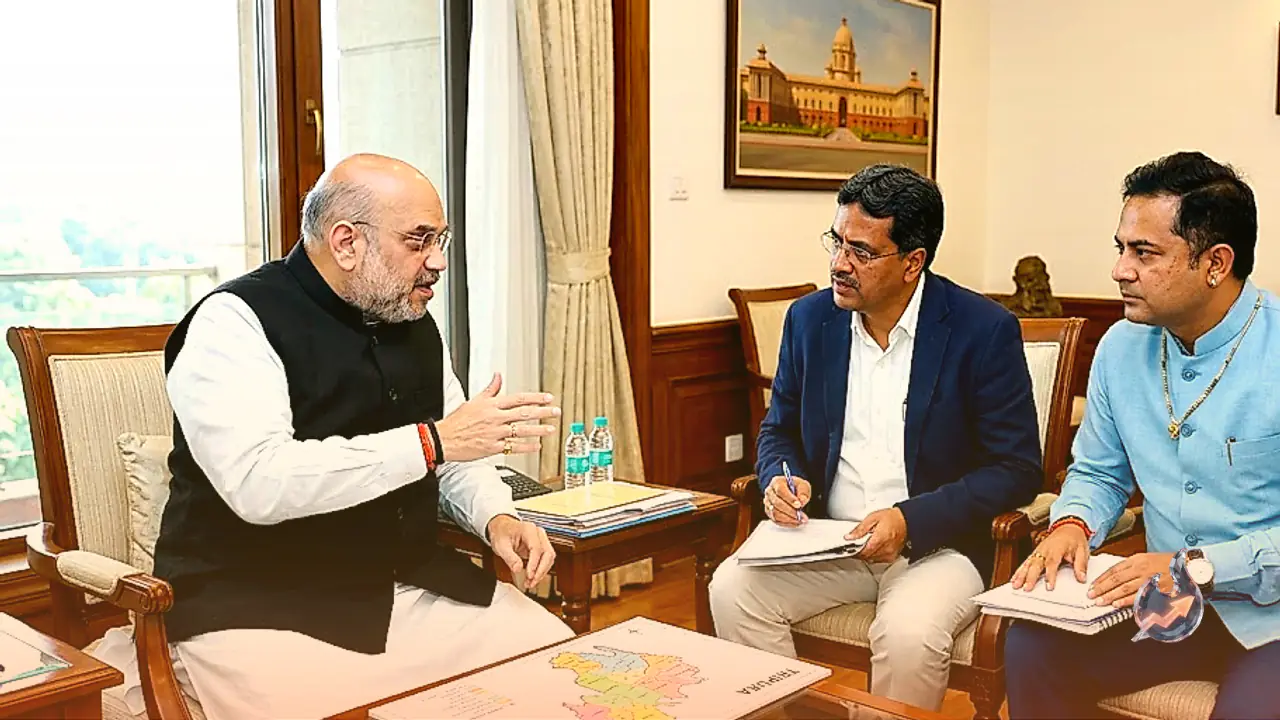

Political activities have intensified in Tripura as Union Home Minister Amit Shah held a crucial meeting in New Delhi on Friday with Chief Minister Manik Saha and Tipra Motha founder Pradyot Kishore Manikya Debbarma. The nearly 90-minute discussion at the residence of Amit Shah also saw the presence of BJP Northeast coordinator Sambit Patra.
Political Alignment for Local Body Elections
The high-level consultation took place amid ongoing efforts to forge a broader political understanding and coordination between the ruling Bharatiya Janata Party and Tipra Motha for the upcoming grassroots elections. The deliberations are also being closely watched given Tipra Motha’s long-standing demands regarding the political, social, and constitutional rights of the indigenous population of Tripura. Following the meeting, Chief Minister Manik Saha stated on X that he held a fruitful and constructive discussion covering mutual interests, development initiatives, and public welfare in Tripura.
Assurances on Accords and Land Rights
According to sources, the Union Home Minister assured the visiting regional leadership that the Tripartite Agreement would be put into effect soon. Furthermore, sources indicated that assurances were given regarding the granting of land rights in strict accordance with the provisions outlined in the Sixth Schedule of the Indian Constitution.
Electoral Significance of the TTAADC Region
Elections spanning 587 Village Committees under the Tripura Tribal Areas Autonomous District Council (TTAADC) have been scheduled for September 28. The jurisdiction of the TTAADC encompasses roughly two-thirds of the geographical expanse of Tripura and accommodates a significant majority of the state indigenous demographic, making influence over tribal constituencies critical for political stakeholders.
A Decade-Long Delay in Grassroots Polls
Significantly, these Village Committee elections are being conducted after a prolonged gap of 10 years. The polls were originally slated to be held in 2022, but faced repeated postponements due to the disruptions caused by the COVID-19 pandemic followed by subsequent legal hurdles.