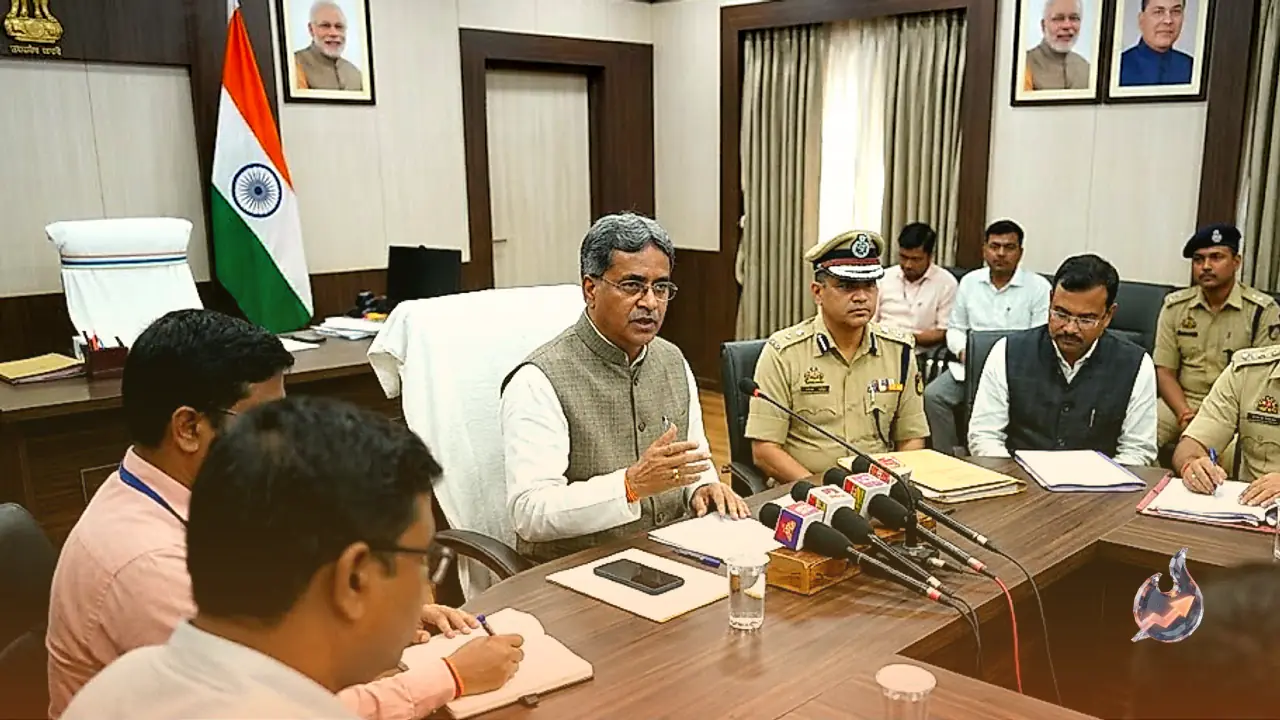
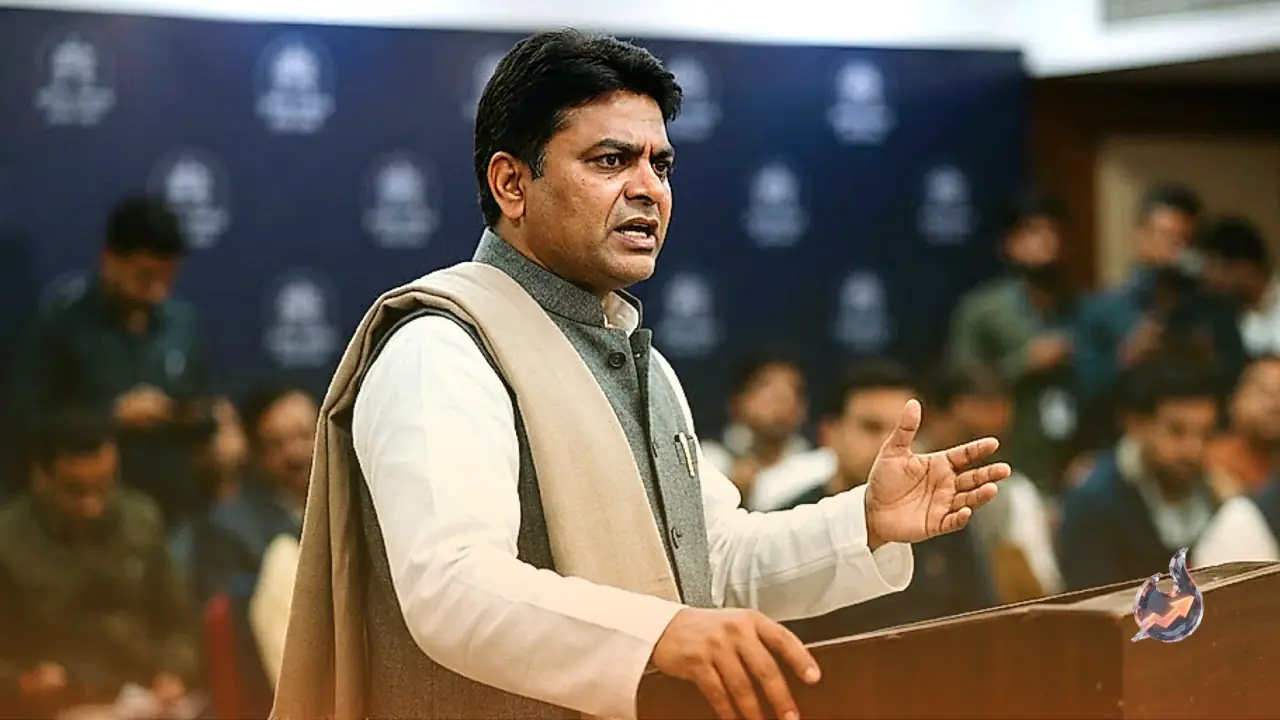














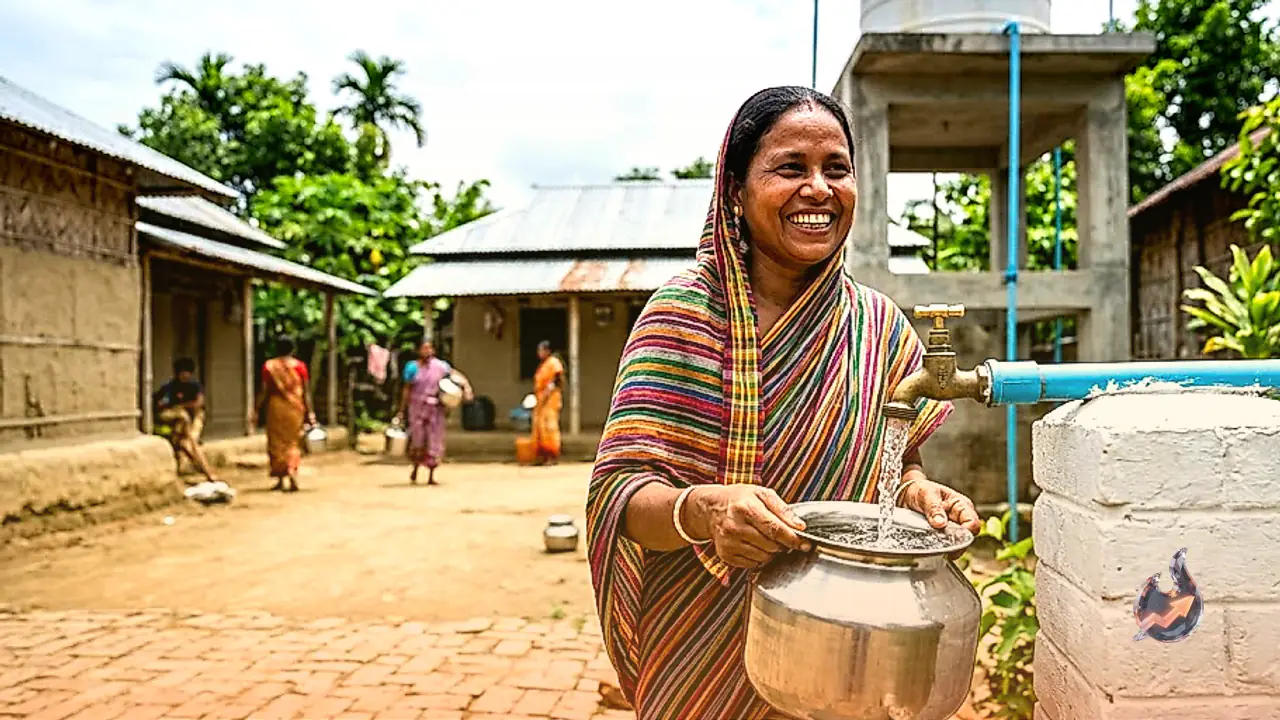

Rural infrastructure in Tripura has recorded significant growth in clean drinking water distribution, with piped water connections now reaching 86.52 per cent of rural households across the state. Chief Minister Manik Saha presented these updated figures during the ongoing legislative proceedings, confirming that 6,47,437 rural families out of a total target of 7,50,449 households have been successfully connected to safe drinking water networks as of August 20, 2026.
Comprehensive Reach Across Rural Panchayats and Recent Milestones
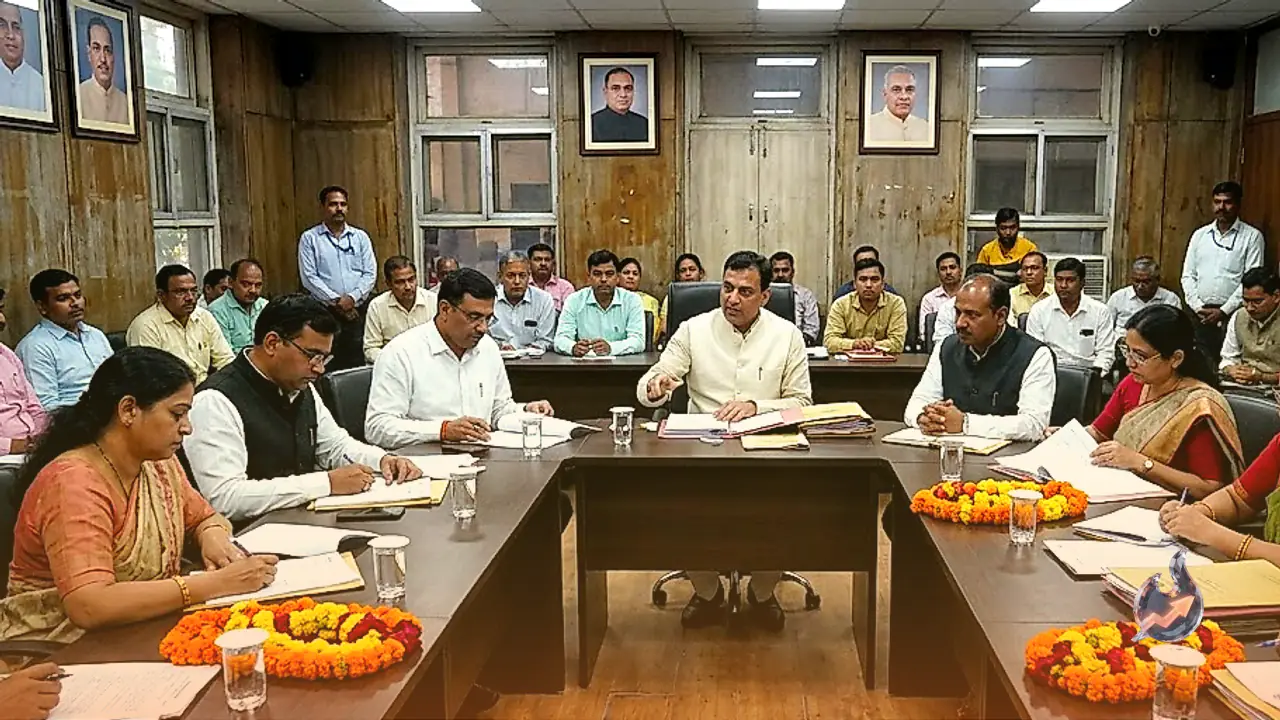
The announcement came in response to a query raised by BJP MLA Jahar Chakraborti during the 10th session of the 13th Tripura Legislative Assembly. Elaborating on the development achievements, the Chief Minister stated that dedicated government initiatives over the past three years alone have provided safe drinking water access to 1,91,106 rural families. This expanding network currently spans across 1,193 Gram Panchayats and Village Committees state-wide, establishing functional household tap connections in remote habitations.
Growth Trajectory Since the Launch of Jal Jeevan Mission
Tracing the evolution of water supply infrastructure in the state, Manik Saha highlighted the rapid progress achieved under the Jal Jeevan Mission framework. When the national scheme was initially launched on August 15, 2019, Tripura had a minimal rural piped water coverage rate of just 3.24 per cent. Through targeted implementation strategies, coverage expanded steadily, reaching 1,51,135 rural households by August 20, 2023, before surging to current levels.
Targeted Interventions for Hilly Terrain and ADC Belt
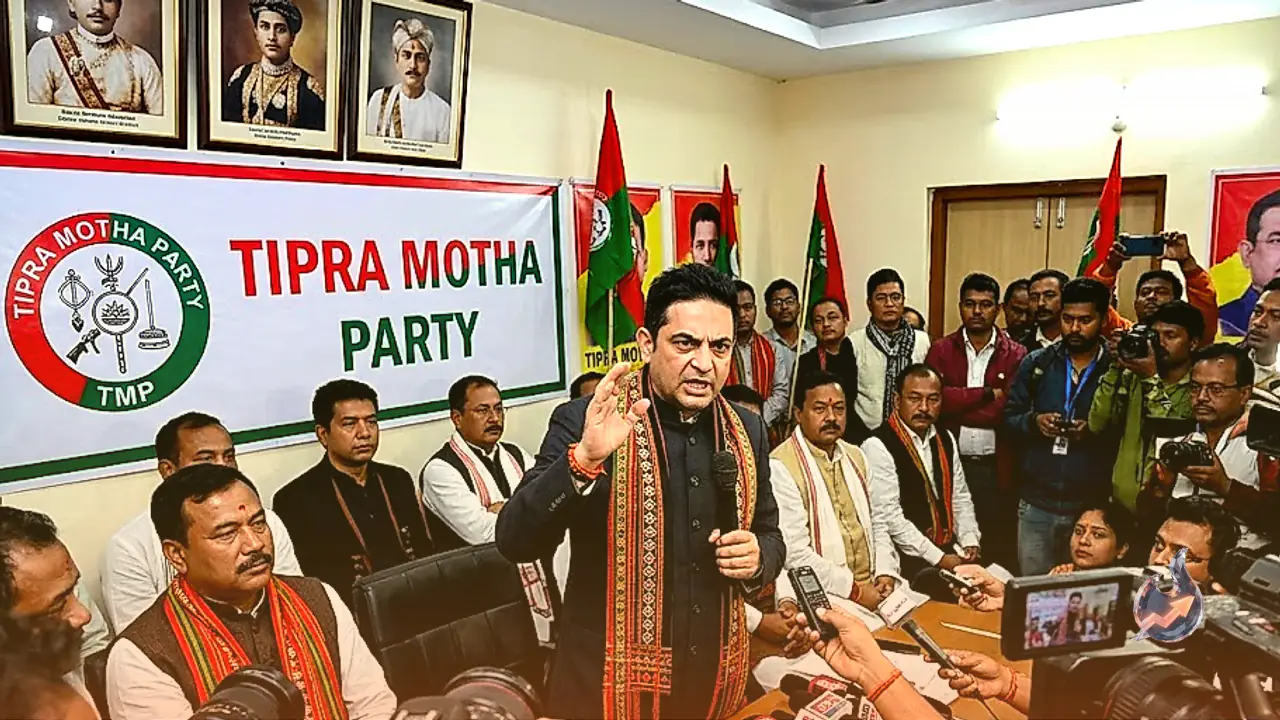
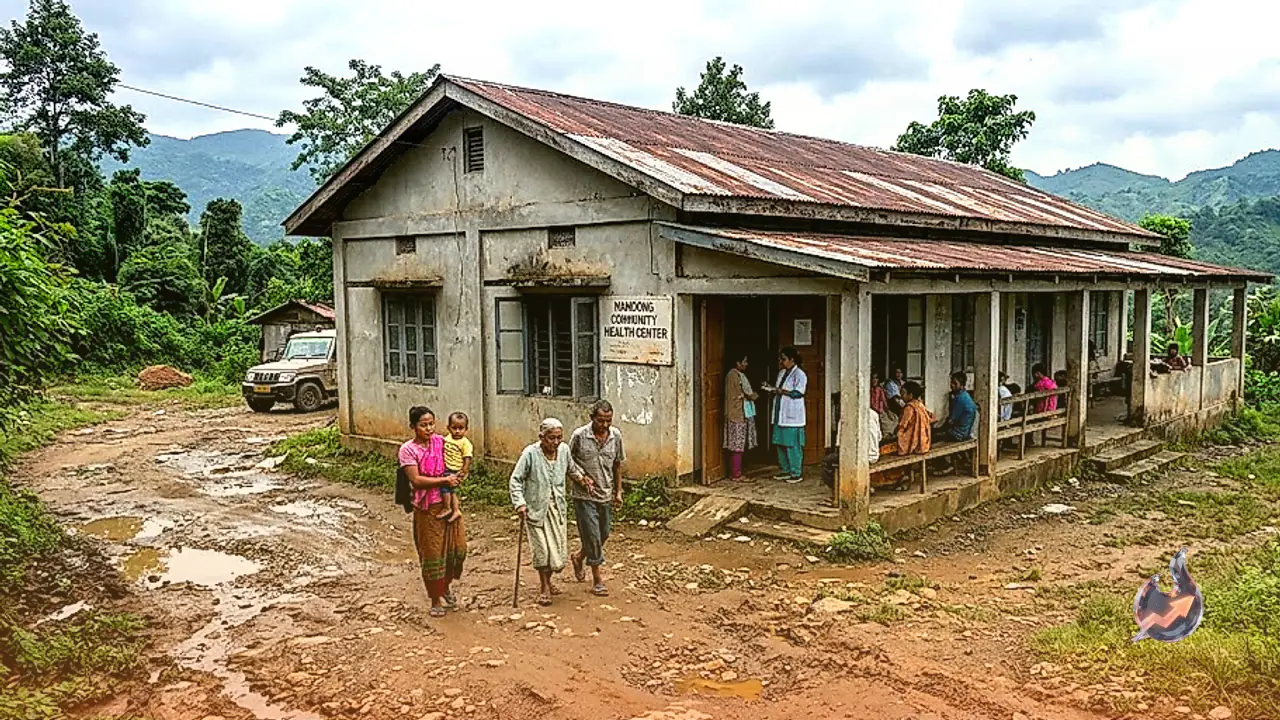
Addressing supplementary concerns raised by TMP MLA Ranjit Debbarma regarding drinking water scarcity in the Tripura Autonomous District Council (ADC) areas, particularly within the Mungiyakami Block, the Chief Minister acknowledged persistent local challenges. He explained that difficult geographical conditions in rugged hilly belts pose structural obstacles to conventional pipe installation, especially where natural water sources are absent and deep tube well drilling proves infeasible.
To overcome these natural barriers, the state administration is deploying non-conventional technological solutions. These include tapping water from natural streams and hill springs, which is then lifted using pump systems to elevated storage structures for localized distribution. Chief Minister Saha noted that average water coverage across ADC regions has reached approximately 80 per cent, with specific pockets recording coverage rates between 85 and 100 per cent. The state is utilizing deep and shallow tube wells alongside specialized water treatment plants and innovative projects to achieve universal 100 per cent piped water access for every rural home.