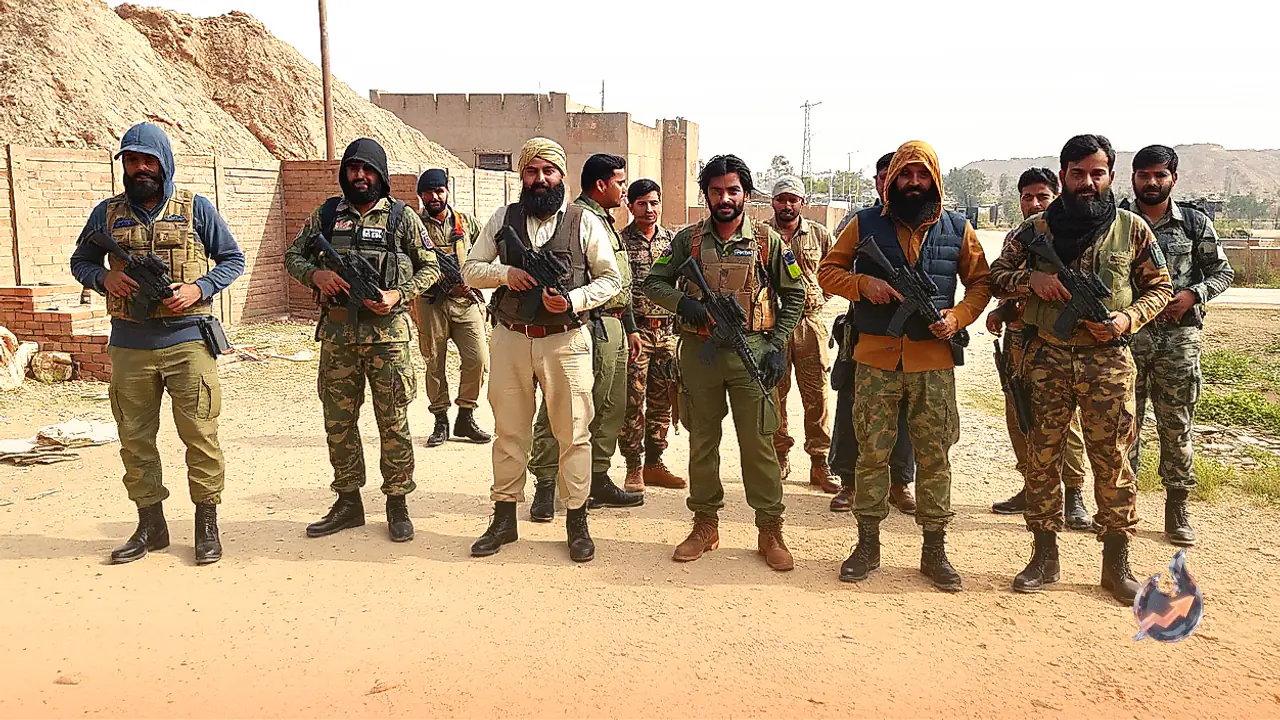



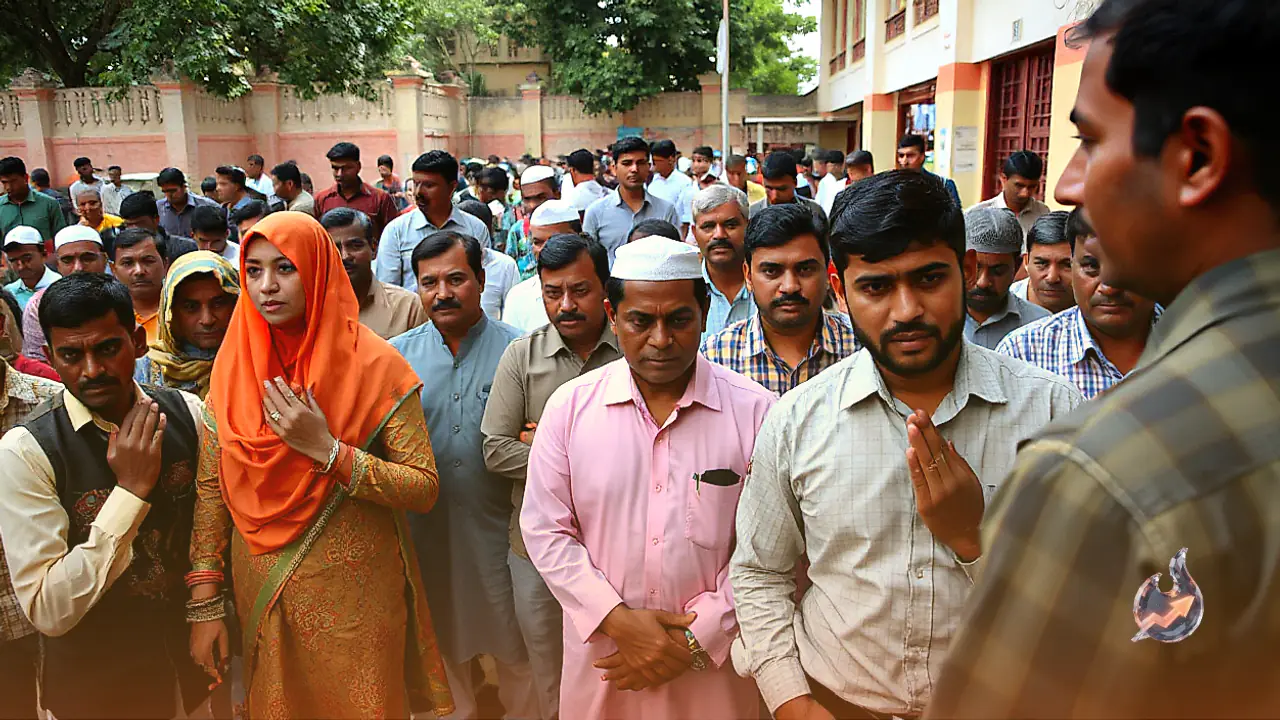














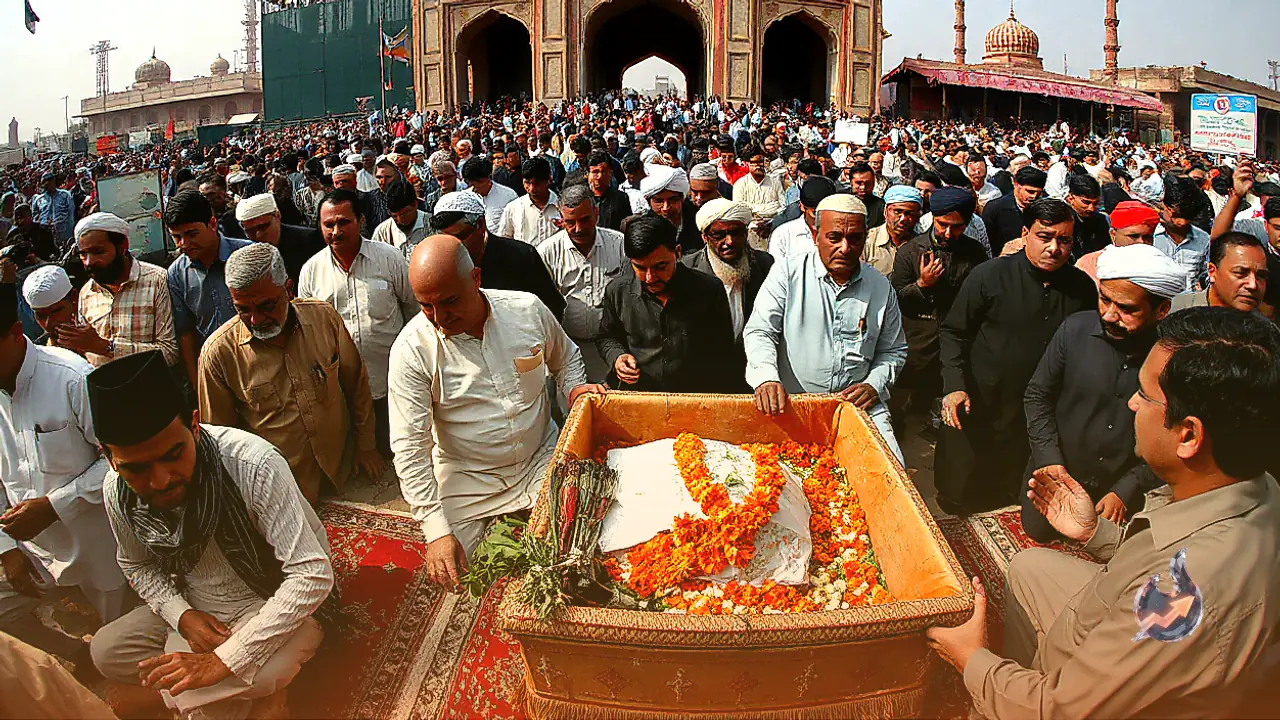

Fundamental personal freedoms for religious minorities in Pakistan face persistent challenges, extending even to the fundamental dignity of bidding farewell to deceased relatives. In the Pachnand area of Punjab province, bereaved family members were blocked from offering funeral prayers following the passing of an Ahmadi woman. Strong pushback from local residents and objections raised by Muslim clerics prevented the relatives from holding burial rites in accordance with their traditions.
Clerics intervened directly as attendees gathered for the burial ceremony, demanding that no traditional religious customs be performed. Those attempting to proceed with the rites were turned away from the location, after which some clerics were seen celebrating the disruption. The incident illustrates how deep-seated sectarian antagonism reaches beyond everyday civil rights, intruding into deeply sensitive moments of loss and mourning.
A Longstanding Pattern of Funeral Disruptions
Obstacles during final rites have repeatedly affected Ahmadi families across different regions. In September 2025, a similar controversy erupted in Piro Chak village within the Sialkot district of Punjab following the death of 55-year-old Qudsia Tabassum. Hardline factions, including supporters of Tehreek-e-Labbaik Pakistan (TLP), protested vigorously against her burial in the local graveyard. A tense standoff forced police authorities to step in, eventually resulting in the body being transported to an alternate Ahmadi-designated cemetery for burial.
A comparable episode unfolded in the Badin district of Sindh province in June 2026. Local clerics lodged formal objections that led law enforcement personnel to intervene and discourage community members from conducting their standard final prayers. Such recurrences highlight how these practices are not isolated incidents but reflect widespread intolerance embedded within local administrations.
Constitutional Amendments and Legal Restrictions
The institutional basis for this widespread ostracization traces directly back to past statutory actions. In 1974, Pakistan's parliament approved the Second Constitutional Amendment, officially declaring Ahmadis to be non-Muslims under the law. A decade later, the military regime under General Zia-ul-Haq enacted Ordinance XX in 1984, imposing stringent legal curbs on their daily religious life.
Under Ordinance XX, any act by Ahmadis identifying themselves as Muslim or employing traditional Islamic terms, greetings, or expressions was classified as a punishable criminal offense. This legal architecture effectively criminalized their ordinary forms of worship and provided conservative groups with legal leverage to target their communal places, heritage sites, and burial grounds.
International Criticism and Humanitarian Concerns
Treatment of the minority demographic has drawn recurring condemnation from international bodies. On September 7, 2026, human rights experts affiliated with the United Nations voiced profound alarm over ongoing state-sanctioned curbs, street violence, and legal harassment directed at the Ahmadi population. The panel urged Pakistani authorities to actively protect religious liberties and guarantee equal status under domestic law.
The recent dispute in Pachnand represents another entry in an extensive catalog of grievances that includes vandalism of places of worship, desecration of gravestones, bans on public gatherings, and deliberate obstruction of funerals. Members of the faith remain subjected to structural hostility simply for preserving their communal traditions and identity.