
























Troubles continue to escalate for former Allahabad High Court judge Justice Yashwant Varma after a parliamentary inquiry panel found him guilty on all three charges concerning unaccounted cash discovered at his official residence during a fire outbreak. In the wake of the inquiry report being submitted, the advocacy group Campaign for Judicial Accountability and Reforms (CJAR) has intensified its call for registering a First Information Report (FIR) against him. The organization maintains that since the judge has vacated his office, any legal immunity associated with his former position no longer applies, making direct criminal action essential.
Parliamentary Action and Departure from Past Precedents
Justice Yashwant Varma submitted his resignation from judicial office in April 2026. Historically, proceedings or parliamentary inquiries against sitting judges were often shelved once the individual stepped down. However, breaking away from this convention, the Speaker of the Lok Sabha decided to table the inquiry committee's report before Parliament. This decision was lauded by judicial reform advocates as a crucial step toward reinforcing transparency within the legal system. The move effectively reverses an undesirable precedent established during the Justice P.D. Dinakaran case, where proceedings were abruptly halted immediately after resignation.
Expiry of Immunity and Reliance on the 1991 Veeraswami Ruling
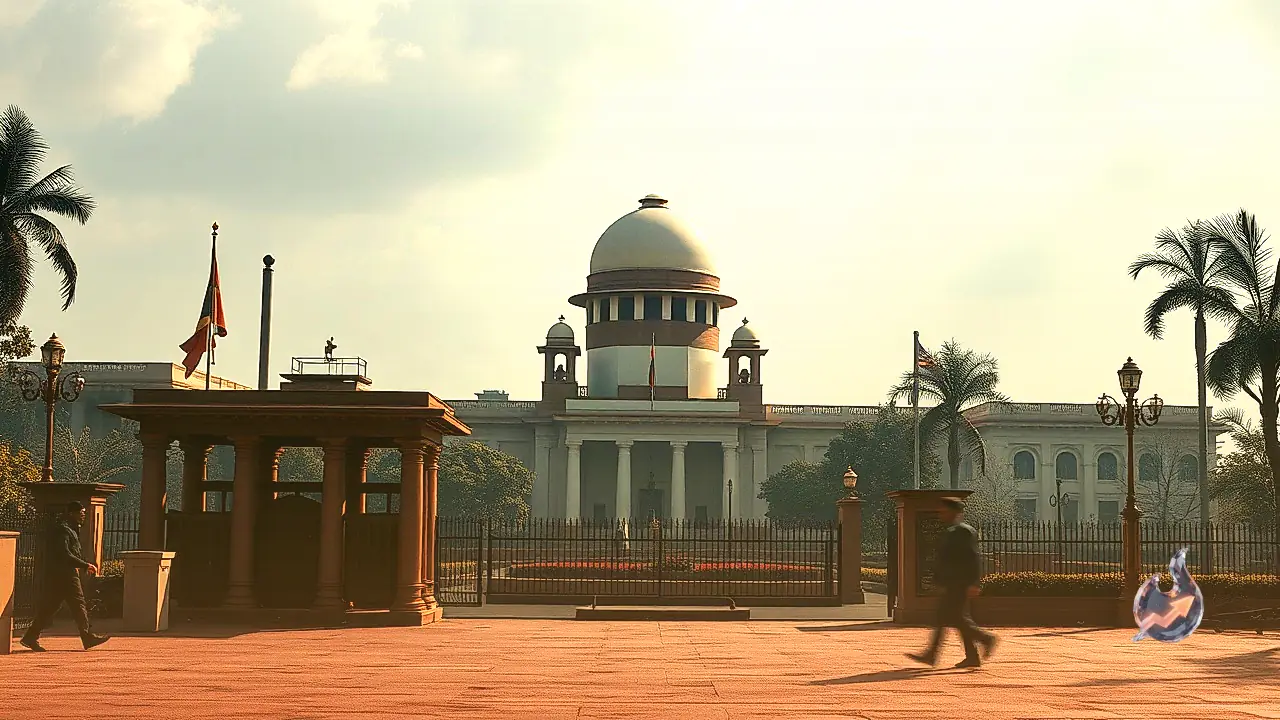
Highlighting the legal parameters governing former judges, advocates pointed out that constitutional immunity ceases upon leaving office. Citing the landmark 1991 Veeraswami judgment, it was emphasized that law enforcement agencies do not require special sanction or prior permission from the Chief Justice of India (CJI) to register an FIR against a former judge. Expressing concern over the delay by investigative agencies in initiating formal action, an appeal was made to the Supreme Court and the CJI to issue directions to the Delhi Police for a thorough and independent investigation into the money recovered from the residence.
Characterization of Misconduct as Criminal Corruption
The findings established under the Judges (Inquiry) Act extend beyond mere administrative impropriety or breach of conduct regulations. The established allegations constitute serious grounds under criminal law and corruption statutes. To preserve public trust and confidence in the judicial institution, advocates stressed that a formal criminal case must be registered promptly, accompanied by close monitoring from the Supreme Court to prevent procedural delays or legal loopholes.
Discrepancy on the Official High Court Web Portal
Alongside the legal developments, an administrative discrepancy on the official web portal of the Allahabad High Court came to light. Despite considerable time passing since Justice Varma submitted his resignation in April 2026, the official website continued to list him among the active sitting judges of the court. Raising concerns over this oversight, the High Court administration was urged to update its digital records immediately to ensure clear and accurate public information.