























With the midterm elections approaching, significant shifts in political momentum are emerging across the United States. Even in traditional conservative strongholds long viewed as reliable territory for the Republican party and Donald Trump, voter sentiment appears to be turning. In states such as Texas, which has consistently delivered substantial margins for Republican candidates, dissatisfaction has grown over broad tariff disputes and foreign military engagements involving Iran. Election analytical models project that the Democratic Party is positioned to reclaim a working majority in the House of Representatives, whereas the eventual composition of the Senate remains closely contested.
Campaign Commitments and the Push for Russian Fuel
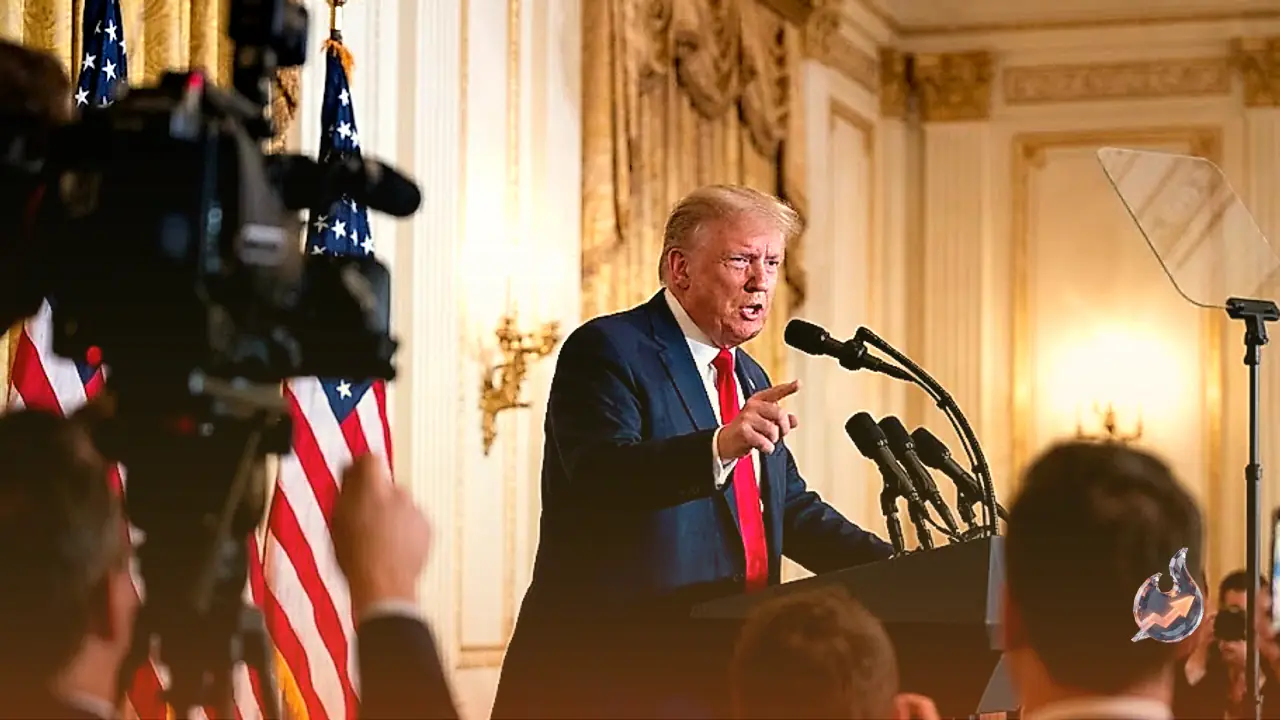
To counteract declining enthusiasm and retain key voting blocs, Donald Trump has intensified his campaign appearances. During recent public rallies, he outlined notable financial incentives, including a commitment that every American adult would receive a payment of $5,000 should the Republican party secure victory in the midterm elections. Alongside these domestic proposals, Trump indicated a willingness to ease established economic sanctions against Russia. He expressed an openness to negotiating a diesel supply arrangement directly with Russian President Vladimir Putin to address domestic energy shortages and rising fuel expenses.
Defending Red Fortresses Across the Country
The Republican campaign strategy has increasingly concentrated on safeguarding regions where Trump secured commanding victories during the 2024 presidential contest. These high-energy stops, frequently described as 'Trumpapalooza' rallies, aim to arrest slippage among conservative supporters. In Texas, a state Trump carried by a decisive 14 percentage point margin in 2024, the political landscape is demonstrating clear volatility. Recent polling shows Republican candidate Ken Paxton trailing Democratic challenger James Talarico by 1.5 percentage points in the Senate race. For a jurisdiction historically dominated by Republican leadership, this deficit marks a significant competitive pivot.
Trump also held a major rally on Monday in Mississippi, where he had achieved a 24 percentage point margin of victory in the 2024 presidential contest. That event followed a Sunday appearance in Michigan, a battleground state where his prior winning margin was far narrower. Furthermore, his recent travel itinerary has included campaign stops across Florida and Iowa. Both states had backed Trump by approximately 13 percentage points during the 2024 presidential race. The steady schedule of events in previously secure territories highlights the administration's concern over core voter retention.
Rising Living Costs and Widespread Economic Strain
Historical trends in American politics indicate that the sitting president's party routinely experiences net seat losses during midterm election cycles. Current polling aggregations indicate that Trump's job performance stands at an approval rating of 38.2 percent, compared to 60.2 percent expressing disapproval. Furthermore, 57 percent of surveyed voters report that administration policies have worsened their overall financial standing. Inflation has consequently taken center stage in voter debates, with the headline inflation rate advancing from 3.4 percent in August to 3.7 percent last month.
Surging retail fuel costs combined with broad import tariffs have added notable stress to everyday household budgets across the country. Increases in gasoline and diesel prices extend far beyond private commuting, elevating freight rates and the distribution expenses for groceries, agricultural products, and consumer merchandise. Concurrently, import duties directly raise shelf prices for manufactured goods. As cumulative living expenses multiply, voter frustration regarding monetary strain poses an acute challenge to incumbent candidates.
House Projections and Senate Realities
Electoral projections across the 435 seats in the House of Representatives outline a challenging environment for the Republican majority. Analytical assessments suggest Democrats could secure approximately 227 seats in the House, with 25 districts characterized as intensely competitive toss-ups. Another political modeling report estimates Democratic seat totals near 220, leaving 17 critical races too close to determine with confidence. Supplemental network projections indicate a baseline scenario of 229 seats for Democrats against 206 seats for Republicans.
The outlook in the Senate presents an even tighter calculation. Out of the 100 Senate seats, only 35 are on the ballot this cycle, reflecting the staggered six-year terms of the chamber. Among the 65 seats not up for reelection, Democrats currently hold 46 while Republicans maintain 44. Of the contested races, 10 are viewed as highly competitive. Based on current polling trends across these competitive states, legislative projections suggest Democrats may capture 52 seats, leaving Republicans with 48 seats in the upper chamber.
Legislative Consequences for the Administration
With economic anxiety mounting and approval numbers constrained, the Republican party continues to lean heavily on Trump's personal campaign appearances to mobilize turnout. The final results of these midterm races will not only determine which political party controls the legislative branches of Congress, but also dictate how much regulatory and legislative latitude Trump will retain to pursue his policy agenda through the remainder of his presidential term.