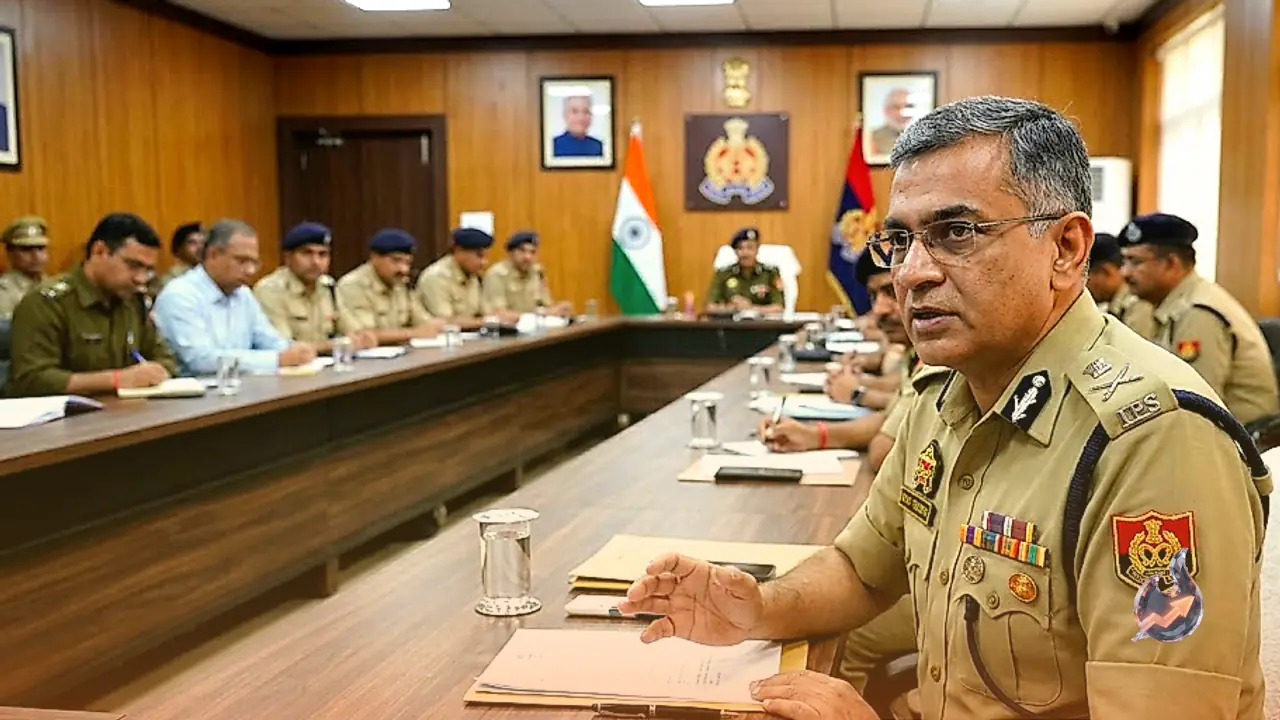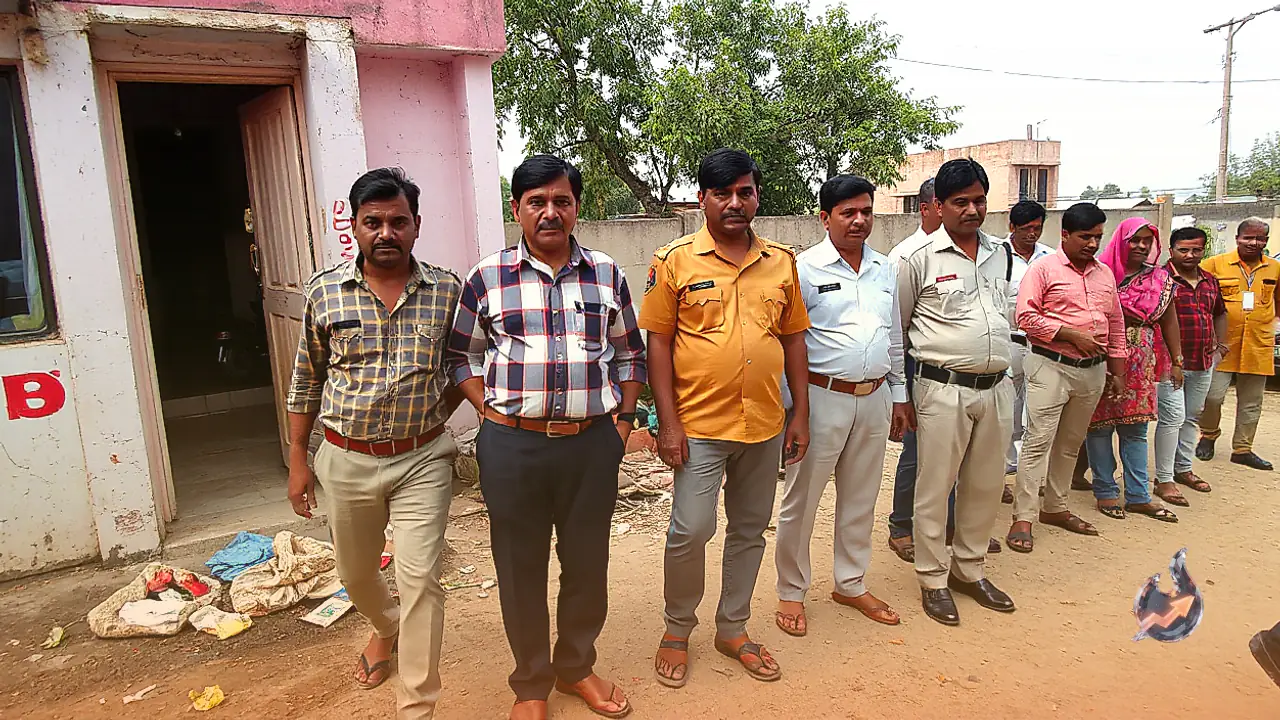























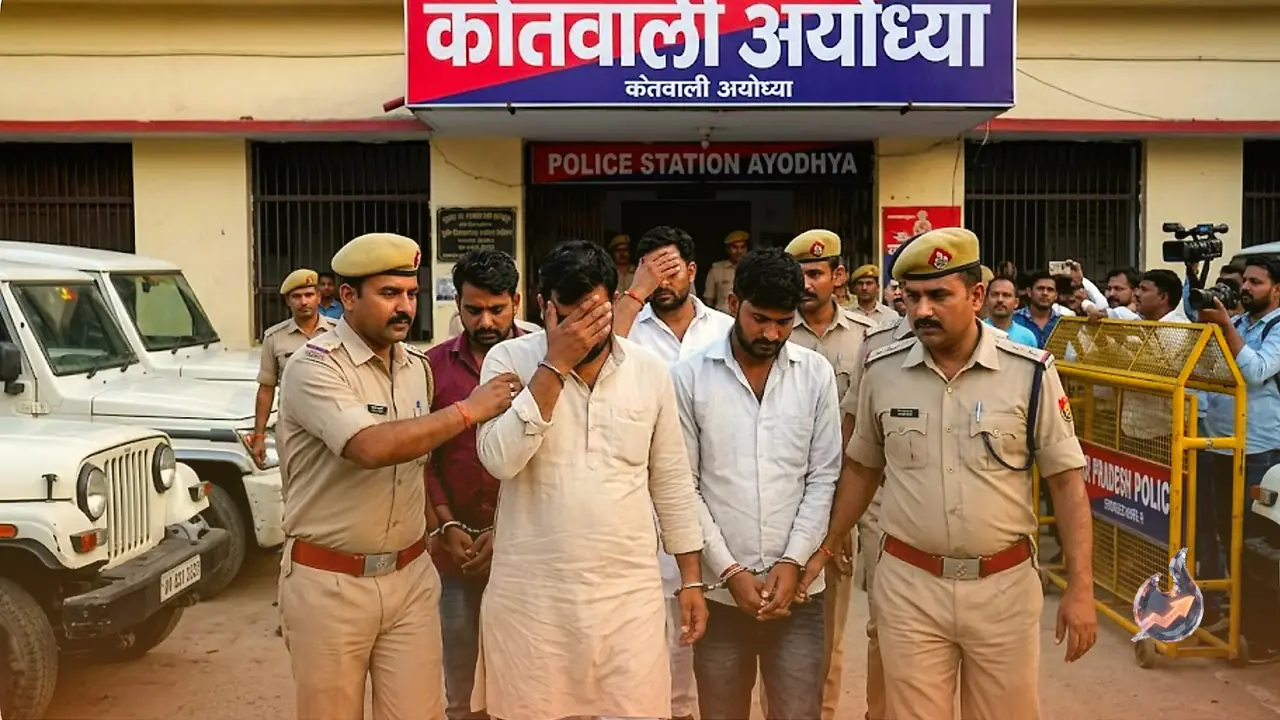

The legal net around the alleged embezzlement of offerings and donations at Ayodhya's Ram temple has now tightened completely. After a tough stance from the Uttar Pradesh government, the case has moved into serious action. Acting on a written complaint by Ram Janmabhoomi Trust member Shri Krishna Mohan and on the recommendation of the SIT, Ayodhya police have registered a named FIR against a total of eight people, including Tinnu Yadav, Lavkush Mishra, Anukalp Mishra, Avinash Shukla and Manish Yadav. Six of those named are said to be cashiers.
To make the case as strong and airtight as possible, police have invoked five of the harshest and most severe sections of the new criminal code, the Bharatiya Nyaya Sanhita (BNS). Here, in plain language, is what each of these sections covers and how much punishment the accused could face if the charges are proven.
Section 316(5): Professional Breach of Trust
This is one of the most serious sections in the entire case. Under the new law, this section applies when a banker, merchant, agent, broker or lawyer misuses their professional position to breach trust in any property or right. Since managing trust money and donations falls within the scope of professional responsibility, this section has been applied.
If the charge is proven, the accused can face up to 10 years of rigorous imprisonment along with a heavy fine.
Section 306: Theft From an Employer's Property
This section applies specifically to cases where an employee, attendant or domestic servant exploits their position and the trust placed in them to steal from their own employer. Given the alleged embezzlement by staff connected to managing the temple and overseeing the offerings to Ramlala, this section has been included.
Here too, the employee faces strict imprisonment and a fine on charges of breach of trust and theft.
Section 317(5): Concealing Stolen Property
This section deals directly with disposing of stolen goods or money. According to it, if a person knowingly and willingly helps in any way to conceal, destroy, dispose of, or move stolen property or embezzled money from one place to another, that person is treated directly as an offender under the law.
Under this section, a convict can be sentenced to up to 3 years in jail, a fine, or both together.
Section 317(4): Habitually Buying Stolen Goods
This section relates to habitually receiving stolen property, that is, the regular buying and selling of stolen goods or money. If a person knowingly and repeatedly buys stolen goods, keeps them, or trades in them illegally, they are booked under this section. It falls in the category of an extremely serious and non-bailable offence.
Hard for the Accused to Escape Now
The SIT investigation and this FIR have booked more than eight people, including Tinnu Yadav, Lavkush Mishra, Anukalp Mishra, Avinash Shukla and Manish Yadav. Slipping out of the trap of such stringent sections now looks almost impossible for these accused in legal terms.