























A large scale verification exercise has uncovered widespread irregularities in the distribution of government agricultural support funds across Farrukhabad and Kannauj districts in Uttar Pradesh. Inquiries conducted by administrative teams revealed that financial assistance was being drawn in the names of ineligible family members, including underage individuals. Following the detection of these fraudulent claims, the authorities have halted further disbursements to the flagged accounts and initiated formal steps to recover the money disbursed without entitlement.
Scheme Objectives and Regulatory Framework
The central government introduced the farmer income support program prior to the 2019 parliamentary elections to extend structured financial assistance to agrarian households. Designed to help cultivators meet operational expenses during sowing cycles, the initiative provides 6000 rupees annually, divided into three equal installments of 2000 rupees credited directly to verified bank accounts. The operational guidelines strictly restrict this income support to a single eligible member per household. However, local verifications established that numerous households bypassed these stipulations to withdraw multiple tranches of funds concurrently.
Farrukhabad Verification Unearths Minor Beneficiaries
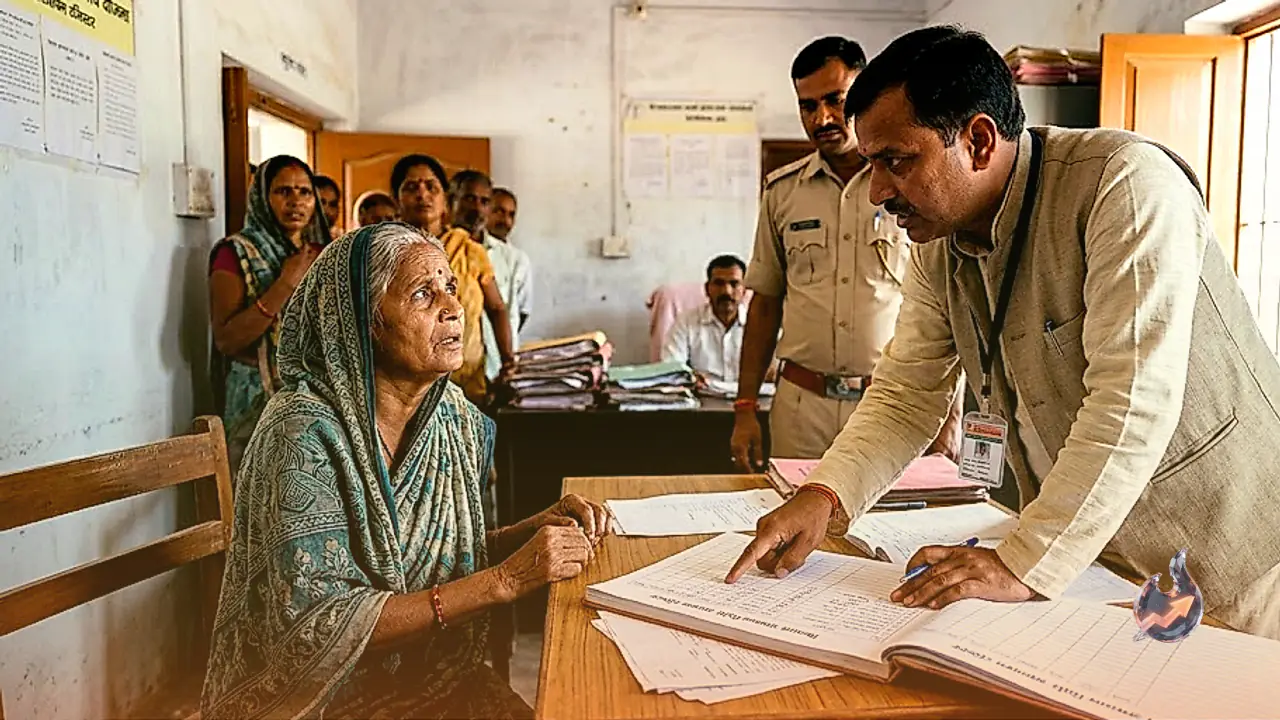
Following repeated complaints regarding procedural loopholes and fraudulent enrolments, the agriculture ministry mandated a comprehensive audit of beneficiary records. During the scrutiny of documentation in Farrukhabad district, investigators discovered that 147 individuals registered as beneficiaries were actually minors, with one recorded instance involving an eight-year-old child. In addition, more than 4000 entries exhibited severe documentation lapses, such as missing land ownership records (Khatauni), inactive bank accounts, and unlinked personal identification details. The district administration subsequently suspended disbursals to 4297 accounts and commenced recovery measures to retrieve all funds distributed under false pretenses.
Wide Verification Gaps Detected in Kannauj
The adjoining district of Kannauj presented an even broader scale of non-compliance. Official figures indicate that 226601 farmers in Kannauj have received support under the program since 2019, amounting to roughly 1041 crore rupees across 23 disbursement cycles. A village level audit conducted by the agriculture department identified 40823 accounts with critical discrepancies. Among these flagged cases, 61 individuals were determined to be minors. Other widespread violations included pending e-KYC compliance, unverified land seeding, and banks operating without mandatory identification linkages. The audit also confirmed multiple instances where both spouses or several adult members of the same household were independently collecting payments. In response, authorities placed a freeze on upcoming installment releases for every flagged beneficiary.
Administrative Action and Recovery Strategy
Santosh Kumar, Deputy Director of Agriculture for Kannauj, stated that bona fide beneficiaries with pending paperwork must resolve their documentation and validation requirements promptly to restore eligibility. Simultaneously, officials have outlined a strict recovery framework for cases involving deliberate falsification. Under the proposed mechanism, future payouts to any genuine beneficiaries within an offending household may remain withheld until the full quantum of improperly claimed funds has been reconciled. This enforcement model aims to recover state funds efficiently while deterring systemic exploitation of welfare provisions.