
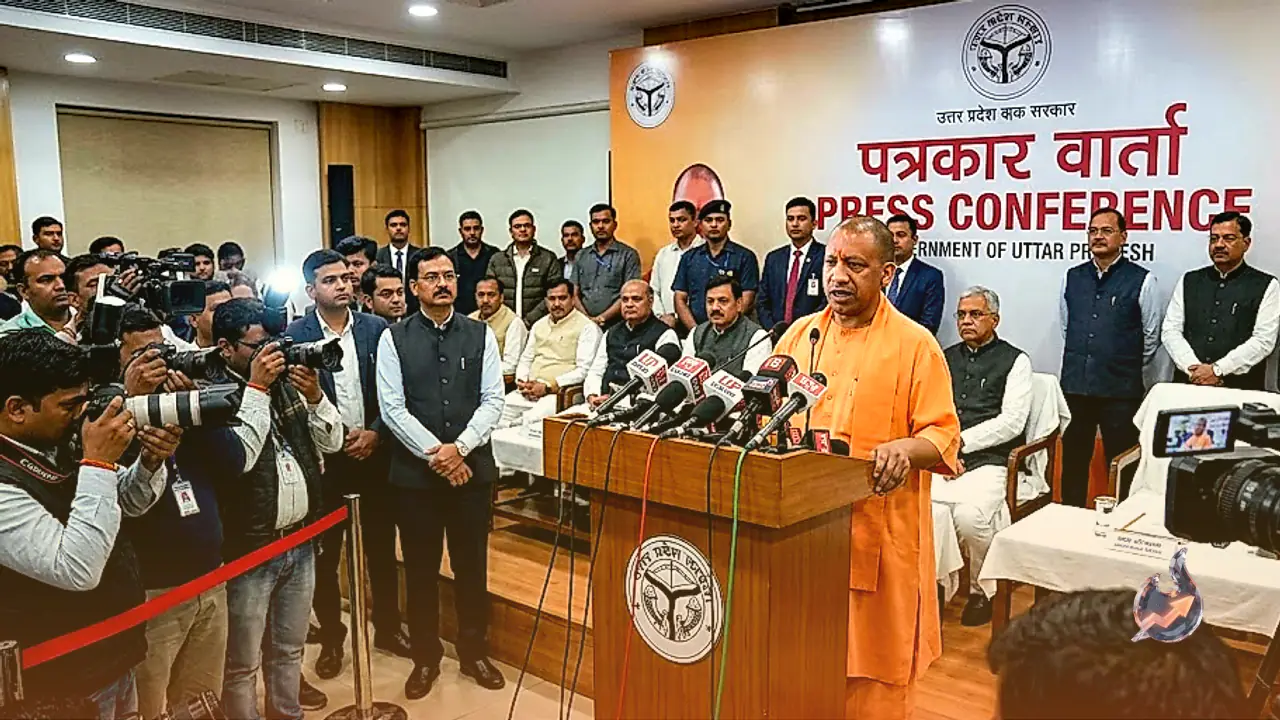

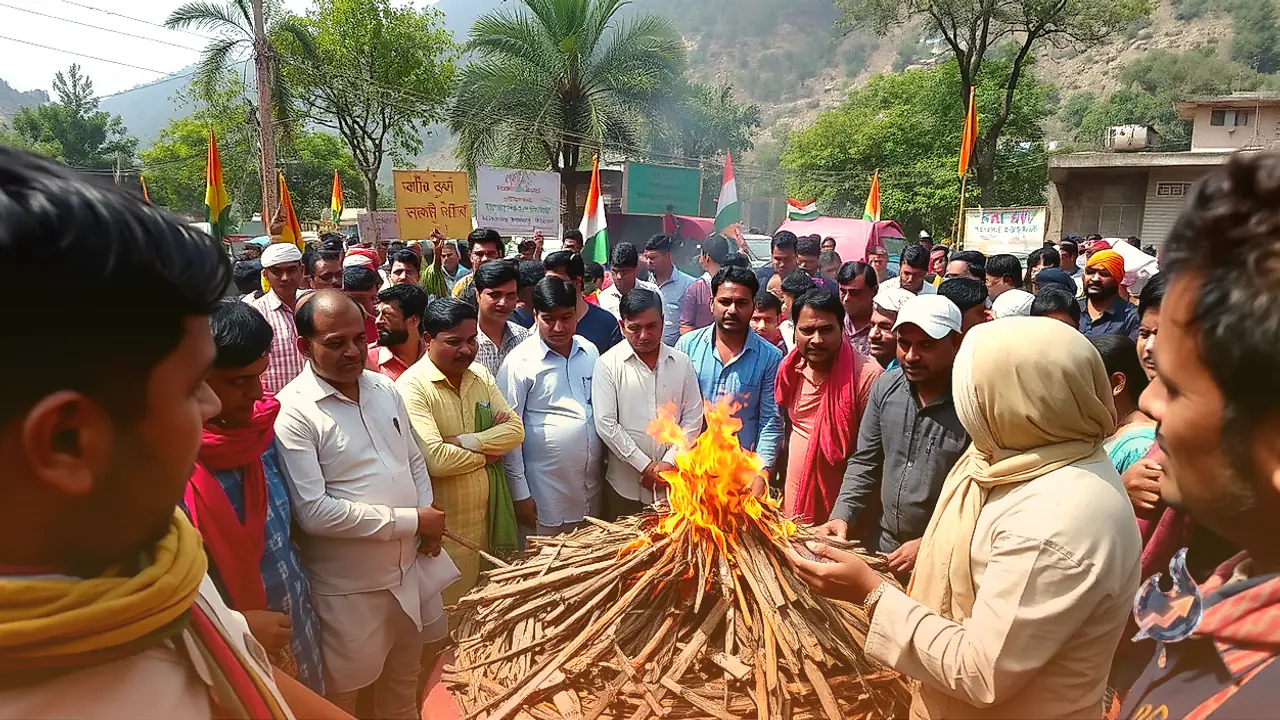

















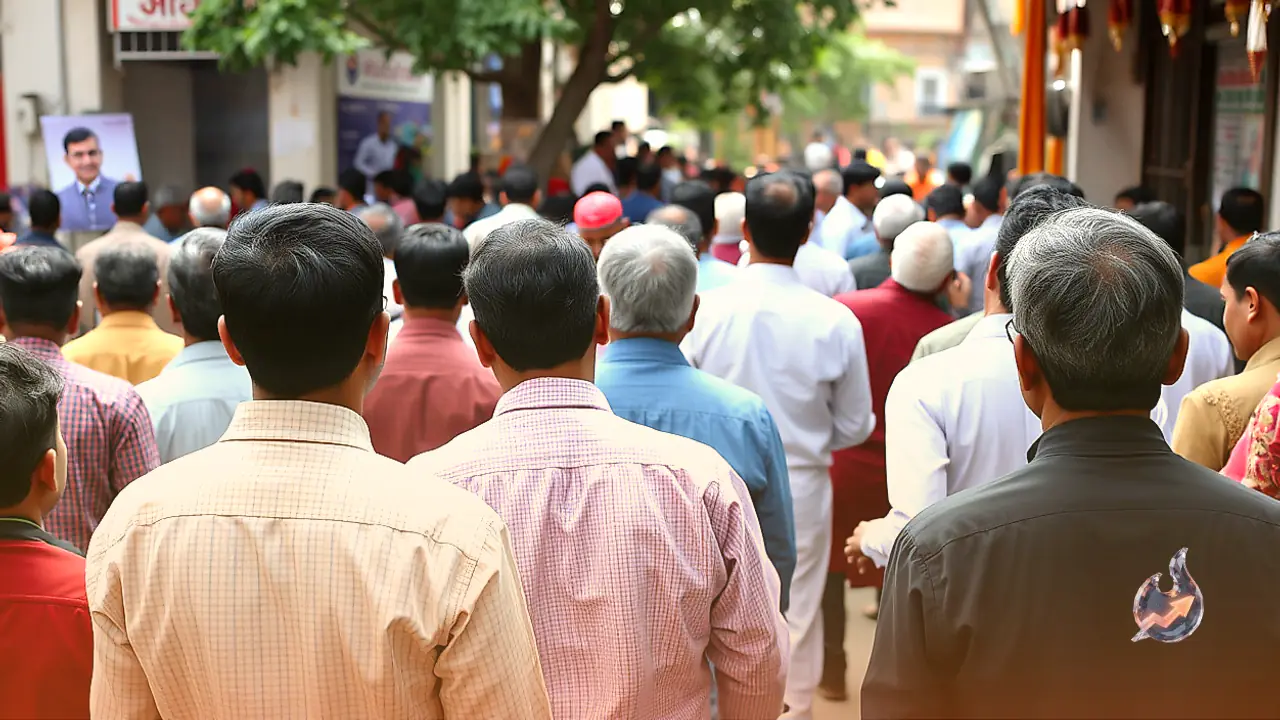

Ahead of the Uttar Pradesh assembly elections 2027, a broad-based public opinion survey across the state has outlined citizen sentiment on affirmative action policies. Conducted between September 17 and October 2, 2026, across all 75 districts, the study engaged 30,925 citizens in face-to-face conversations. Participants were asked whether caste-based reservation should continue or be discontinued. A majority 55 percent of respondents firmly stated that caste-based reservation should remain in place. In contrast, 34 percent favoured ending the reservation mechanism, while 11 percent selected the 'cannot say' option, withholding a definitive opinion.
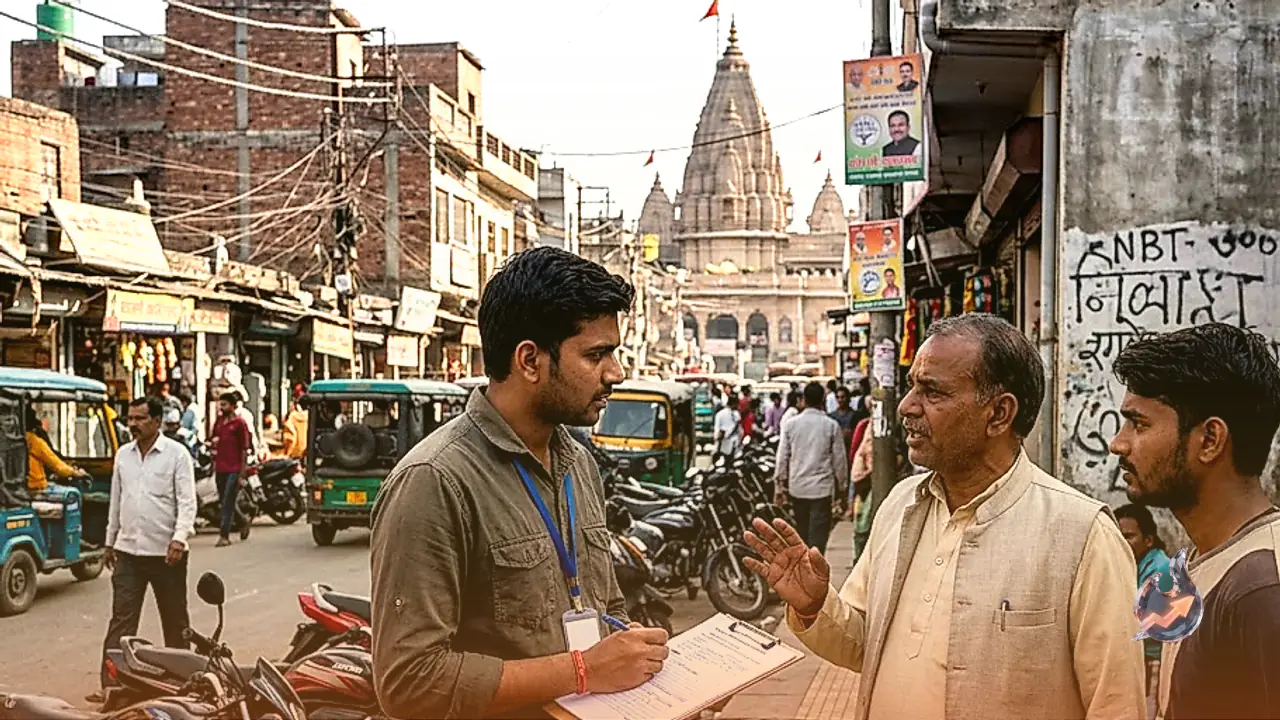
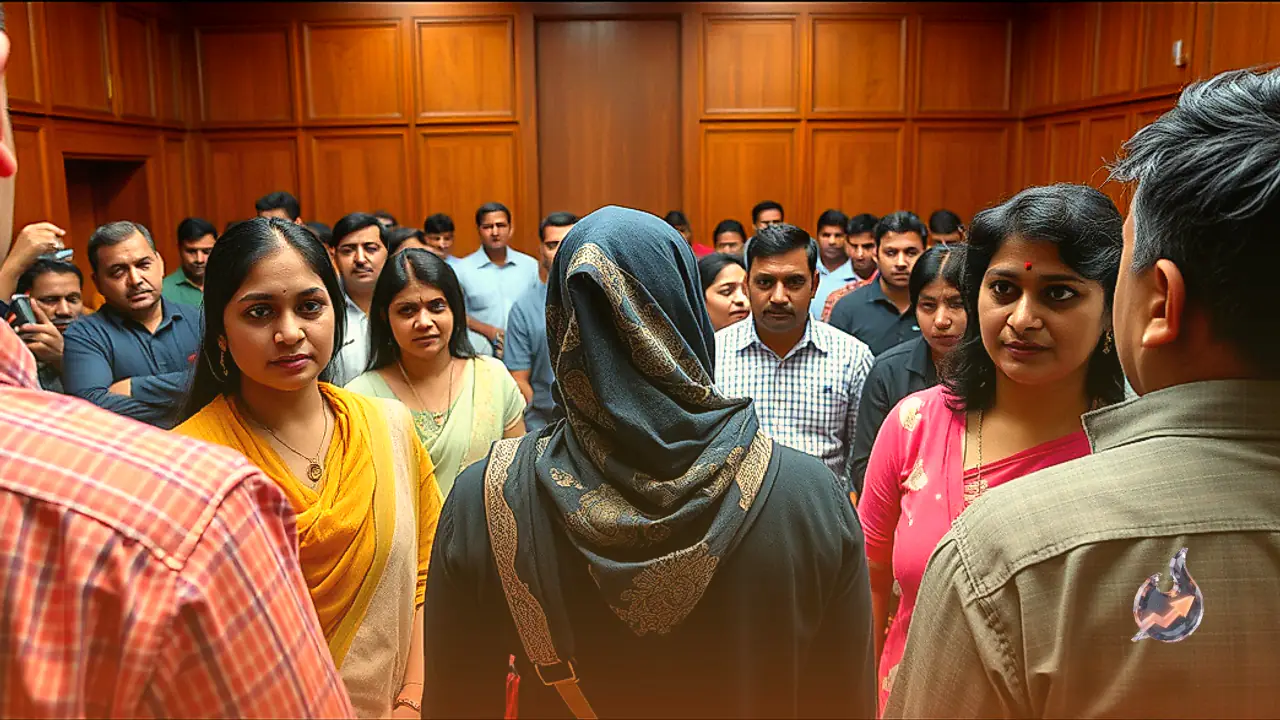
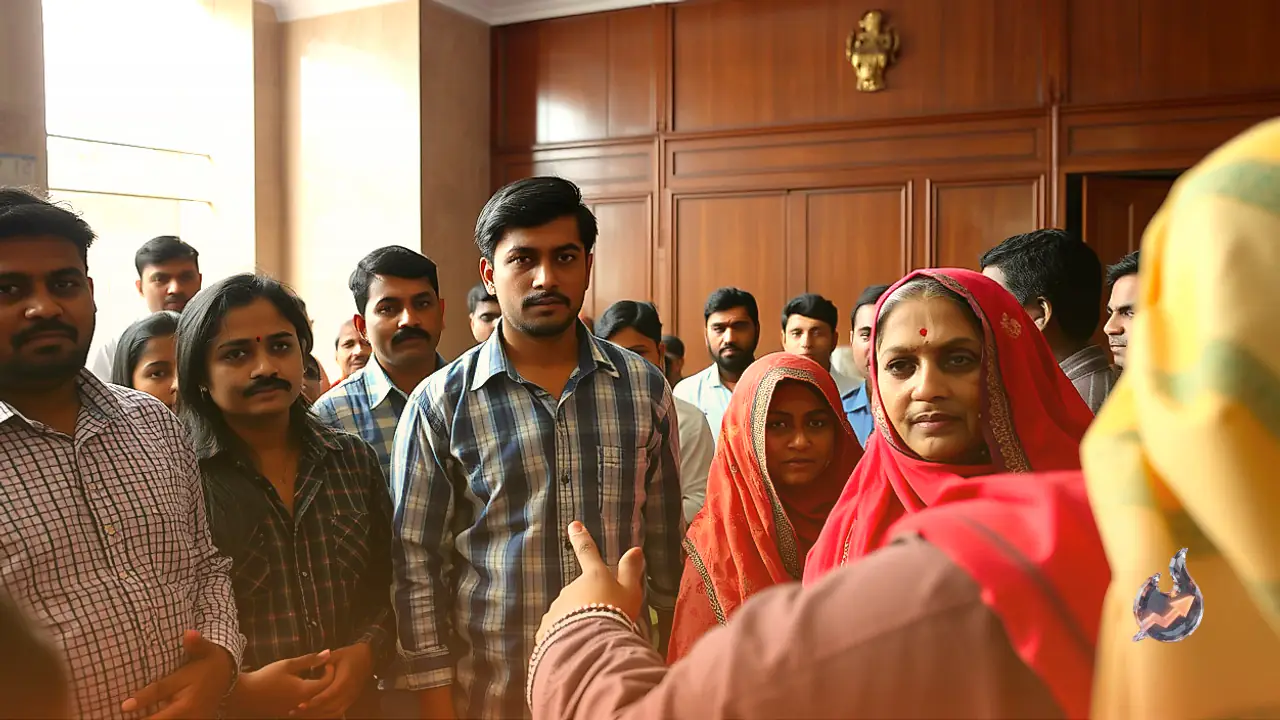
Door-to-door ground outreach covering all 75 districts
The methodology focused on maintaining geographical and demographic balance across rural and urban settlements. Survey field teams carried out direct, in-person discussions with individuals aged 18 and above from diverse social, religious, caste, and economic backgrounds. Among the 30,925 participants surveyed, 76 percent were men and 24 percent were women. Sampling accounted for population ratios across regions to present an accurate picture of grassroots perspectives leading up to the 2027 political contest.
Educational background and occupational representation
The survey mapped the educational and occupational profiles of respondents to capture viewpoints across socioeconomic strata. Graduates and postgraduates accounted for 21.4 percent of the surveyed group. Meanwhile, non-agricultural manual labourers made up 5.5 percent of participants. Capturing perspectives from educated professionals to daily wage earners provided a layered view of how different segments assess social policy.
Probing student movements and sensitive public matters alongside quota policy
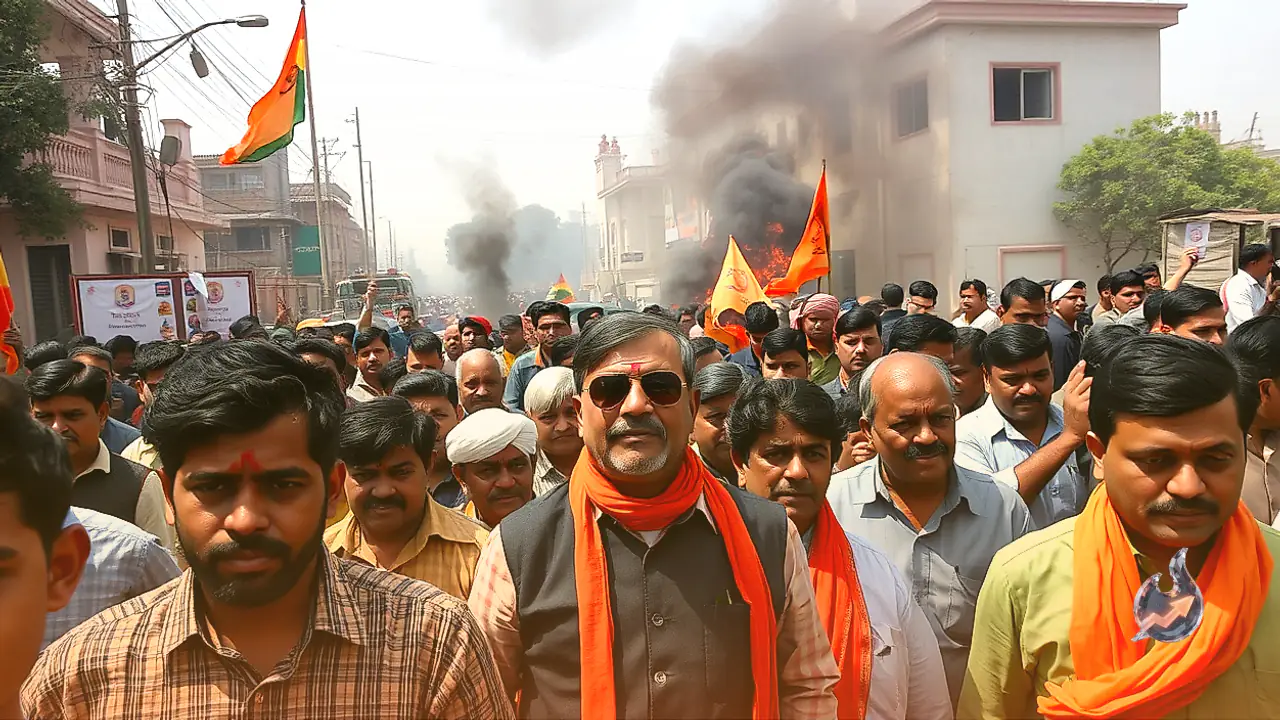
The scope of the exercise extended beyond assessing administrative governance to examine prominent and sensitive public debates. In addition to gauging sentiment on reservation guidelines, the survey explored public views on student protest movements. The exercise also collected feedback on sensitive matters such as donations related to the Ram Temple, mapping the broader issues shaping public dialogue ahead of the forthcoming electoral cycle.