























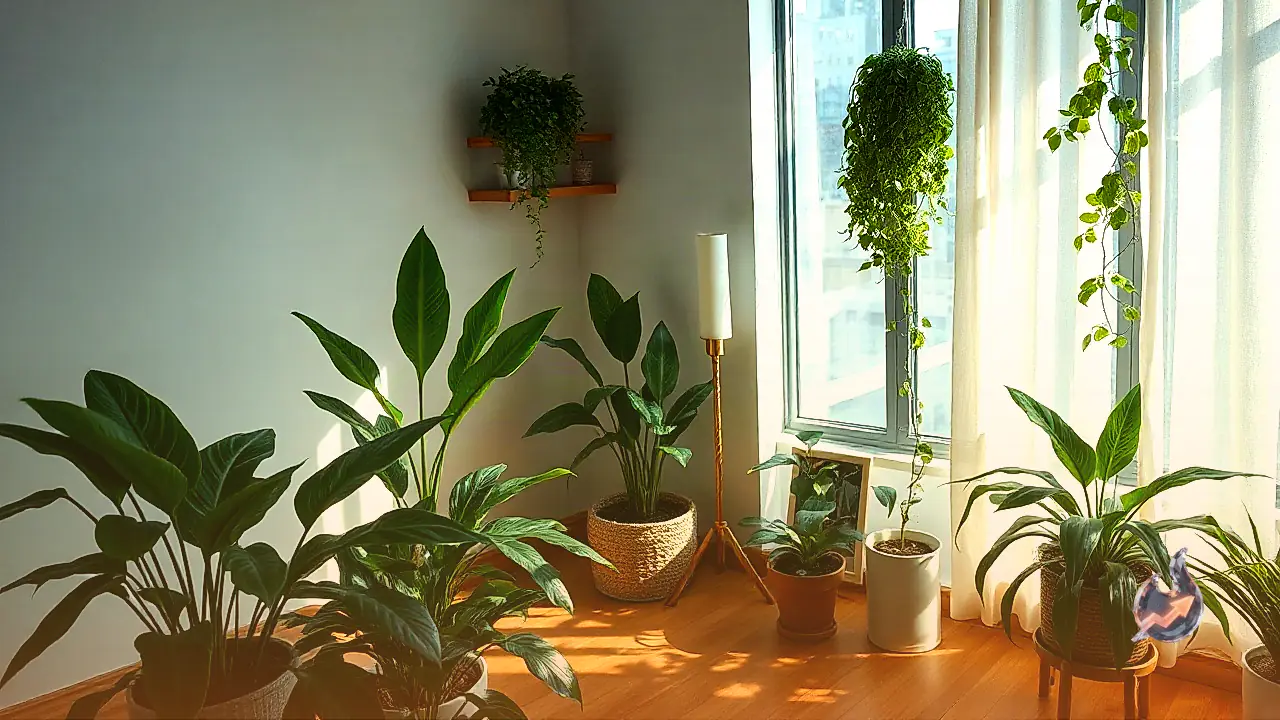

During the monsoon season, continuous rainfall often leaves indoor air feeling heavy, sticky, and damp. Maintaining a fresh and comfortable atmosphere inside living spaces can become a significant challenge during these humid months. However, selecting the right indoor plants can not only elevate your home decor but also substantially improve the feeling of your indoor environment. Houseplants such as the Spider Plant, Boston Fern, Peace Lily, and English Ivy are particularly effective at keeping indoor spaces refreshed and lively throughout the rainy season.
Spider Plant: Refresh Your Rooms with Vibrant Greenery
The Spider Plant is a popular and low-maintenance indoor option that adapts effortlessly to home environments. When monsoon dampness makes room air feel heavy, this plant enhances indoor aesthetics while contributing to a pleasant living atmosphere. One of its main benefits is that it requires very little complex care, making it suitable for both beginner and experienced plant lovers.
Spider Plants thrive best in locations that receive bright, indirect light. They can easily be placed in small bedrooms, near window sills, or on study desks. In terms of watering, this plant is quite forgiving. It is best to water it only when the top layer of soil feels dry to the touch, as overwatering can damage the root system. It grows rapidly and introduces a vibrant green feel indoors. However, homeowners should remember not to rely solely on plants to manage indoor humidity; maintaining proper ventilation remains essential.
Boston Fern: Ideal for Balconies and Low-Light Corners
With its dense, feathery green fronds, the Boston Fern adds instant elegance to any corner of a house. During murky rainy days, its lush foliage brings energy and vitality into quiet living spaces. It is best positioned on balconies, near window areas, or in spots shielded from harsh direct sunlight.
Boston Ferns prefer consistent moisture, so the soil should never be allowed to dry out completely. However, if indoor humidity is already high during the rainy season, watering must be carefully balanced. Excessive water in the pot can lead to soil fungus and root issues. Ensuring steady airflow around the plant helps keep both the fern healthy and the surrounding room feeling clean.
Peace Lily: Elegant White Blooms and Indoor Charm
The Peace Lily is widely appreciated as a refined indoor plant. Its deep green foliage combined with delicate white blooms offers a sophisticated and soothing look to any room. It is well-suited for spots that lack intense sun exposure, thriving best in bright, indirect light or even medium shade.
While the Peace Lily prefers slightly moist soil, waterlogging must be strictly avoided. In humid monsoon conditions, it is crucial to monitor soil condition and clean surrounding areas regularly. Opening doors and windows during the daytime ensures sufficient air circulation, helping the plant flourish while reducing indoor stuffiness.
English Ivy: Perfect for Hanging Pots and Window Settings
English Ivy features cascading vines and distinctly shaped leaves that lend a distinctive charm to indoor spaces. When planted in hanging pots near walls or windows, it creates a striking visual element. Indoors, it should be kept in areas receiving filtered, gentle light rather than harsh direct sunlight.
This plant does not tolerate excess watering well. Always check the top layer of soil before adding water; if it feels damp, wait a few days. Placing English Ivy near windows during periods of elevated humidity can help mitigate dampness, making the room feel noticeably cooler and more comfortable.
Essential Monsoon Plant Care and Ventilation Practices
Incorporating indoor plants requires adhering to a few basic care principles. Placing plants in a room is only part of the solution. Regulating watering routines, preventing water accumulation in pots, and periodically checking soil moisture are critical steps. Additionally, ensuring cross-ventilation by keeping windows and doors open allows heavy indoor air to circulate out, supporting both plant growth and home comfort.