




















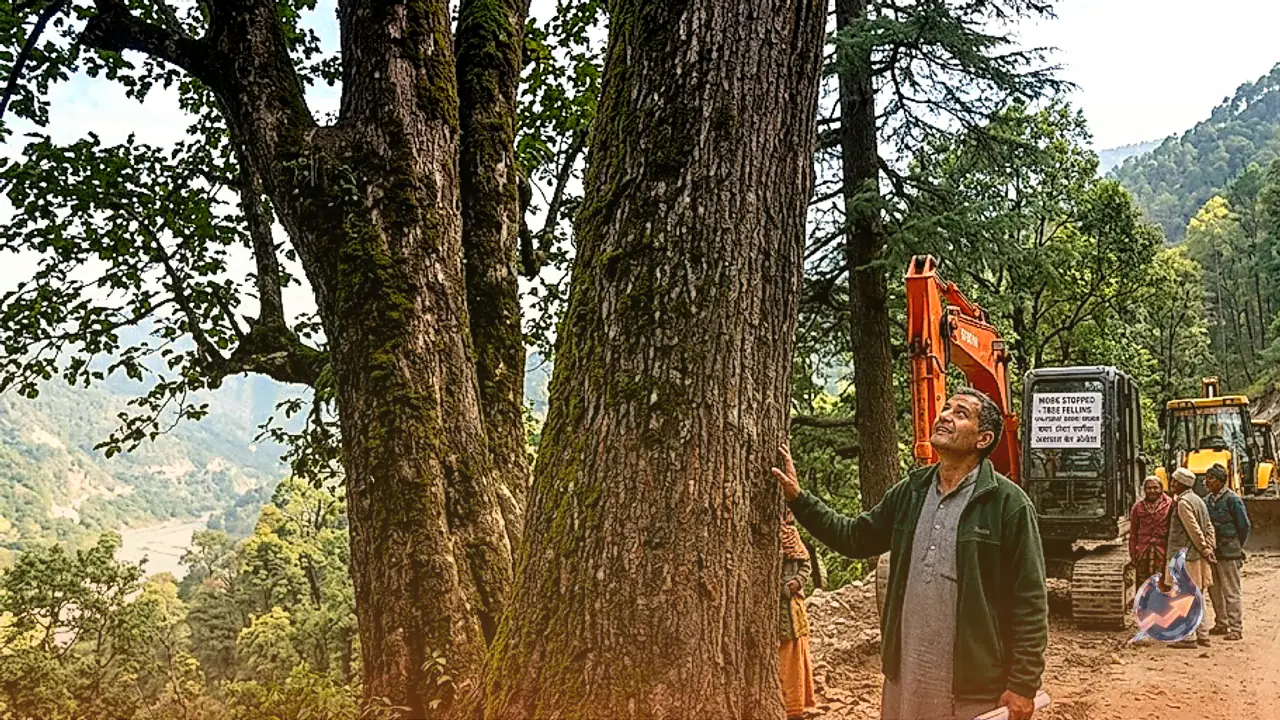

A road-widening project in Rishikesh had marked a stretch of forest for the axe, but authorities have now put that felling on hold, and it has come as a huge relief for residents who call these hills home.
A Forest Locals Call Their Lifeline
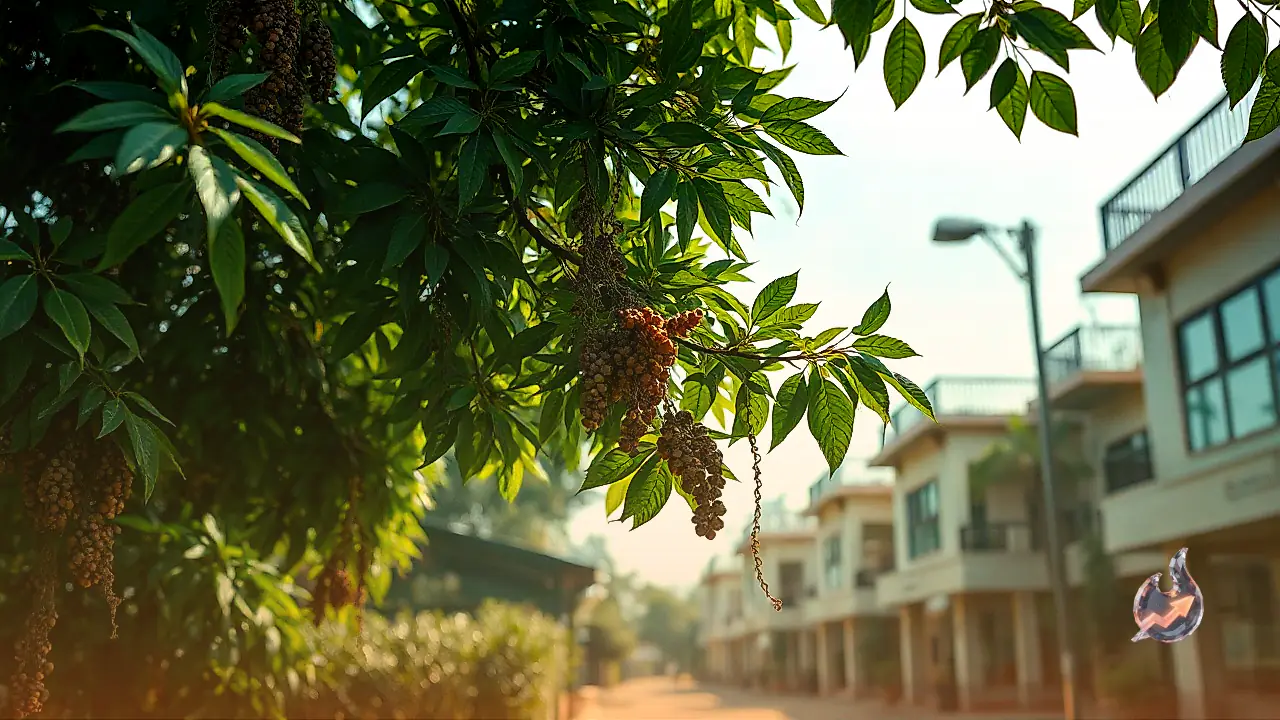
In the hills, a forest is never just a cluster of trees, it is woven into the daily life, traditions and future of the people who live around it. That is exactly why, once word spread that this stretch of woodland was under threat, locals had been pushing for a long time to have it protected. To them, this forest isn't merely a patch of green, it is the very foundation their lives rest on. These very trees keep the local climate cool, help regulate the monsoon cycle, and keep several natural water sources in the area alive.
Environmentalist Arun Explains Just How Old These Trees Are
Environmentalist Arun said several sal and deodar trees standing in this forest are old enough to surprise anyone who hears their real age, some run into hundreds of years, while others are believed to be more than 1,000 years old. He explained that these species grow at an extremely slow pace, so it takes several generations for a tiny sapling to turn into a towering tree. According to him, if such trees were cut down today, replacing them wouldn't take a few years, it could take centuries and still not be enough.
Old Trees Are the Backbone of Biodiversity
Arun pointed out that ageing trees don't just supply oxygen, they form the backbone of an entire ecosystem's biodiversity. Countless birds, insects, small creatures and undergrowth plants depend on their branches, trunks and roots to survive. When even one such old tree falls, the impact isn't confined to that single spot, it disturbs the life cycle of the whole forest. That is precisely why protecting old-growth forests is treated as a priority across the world. Development is necessary, no doubt, but the kind of development that matters is one that doesn't come at nature's expense.
Vigilance Must Continue, Says Arun
For now, the halt on felling has given these centuries-old trees a fresh lease of life, but in Arun's words, this is just one stop, not the final destination. Protection, monitoring and conservation of this forest will have to continue in the years ahead too, because if such old trees are lost once, growing them back to the same form would take several hundred years all over again. That is why today's decision could turn out to be one of the most precious gifts handed down to future generations.