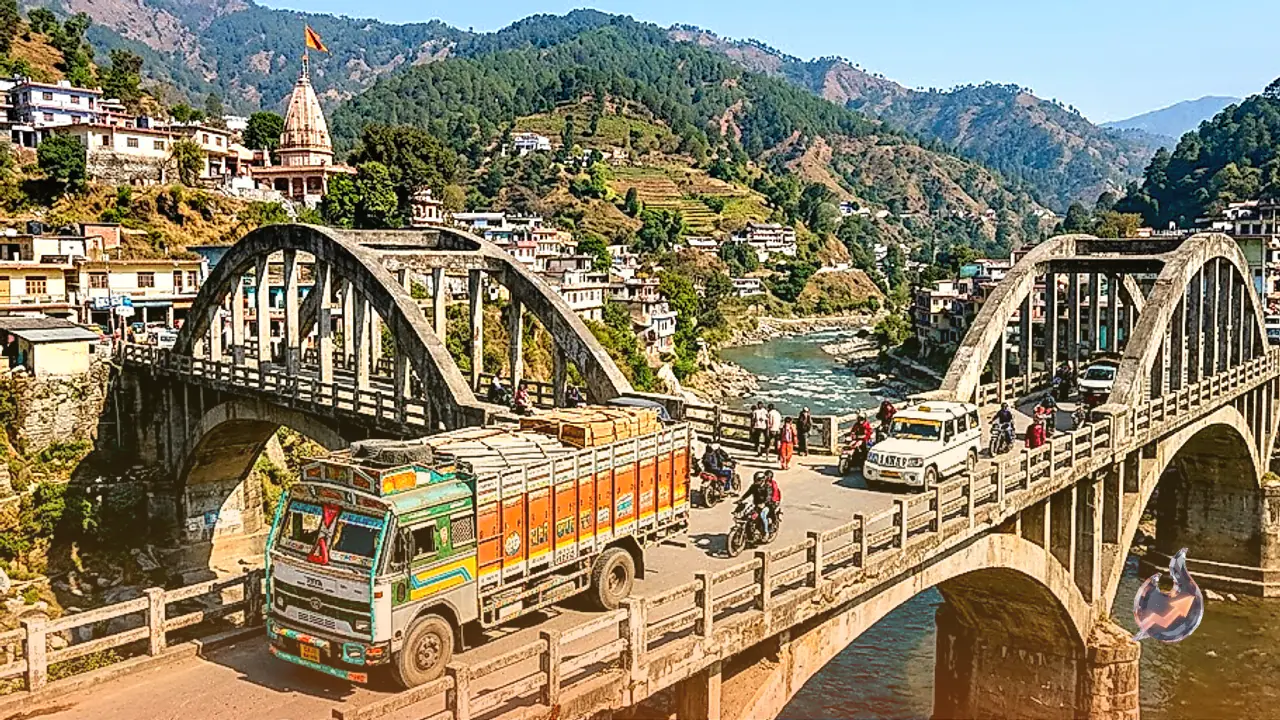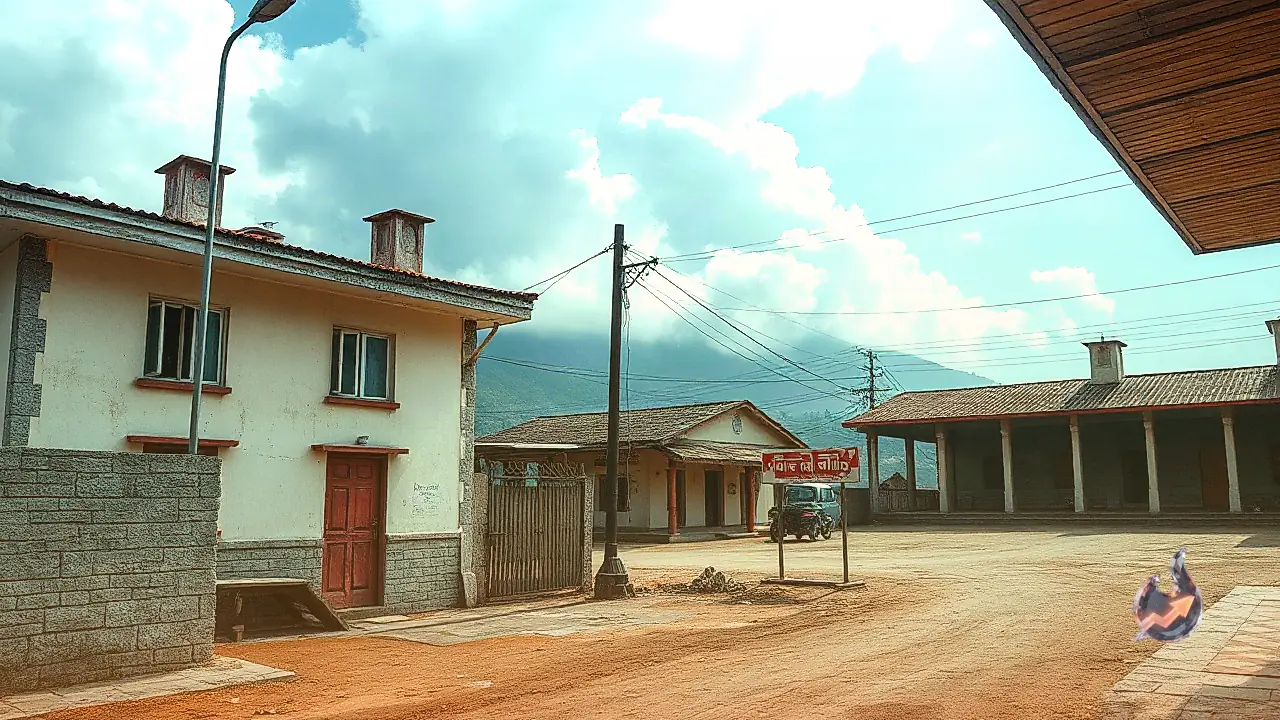



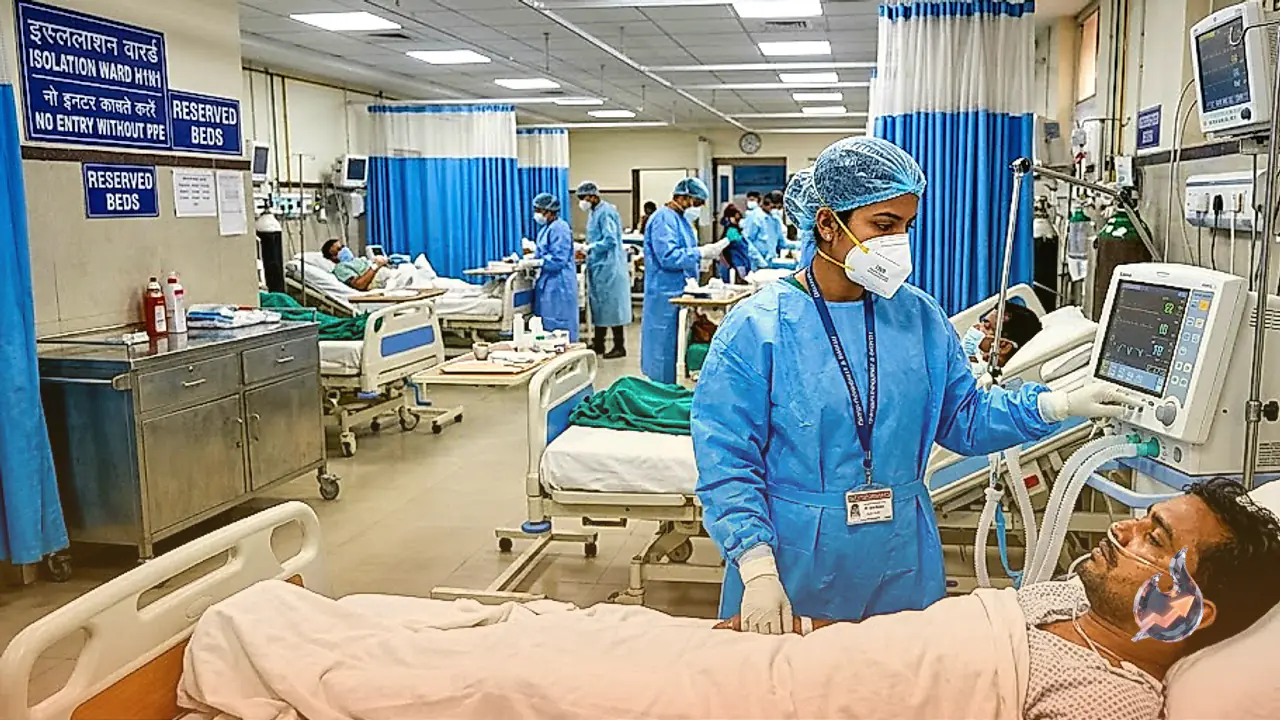














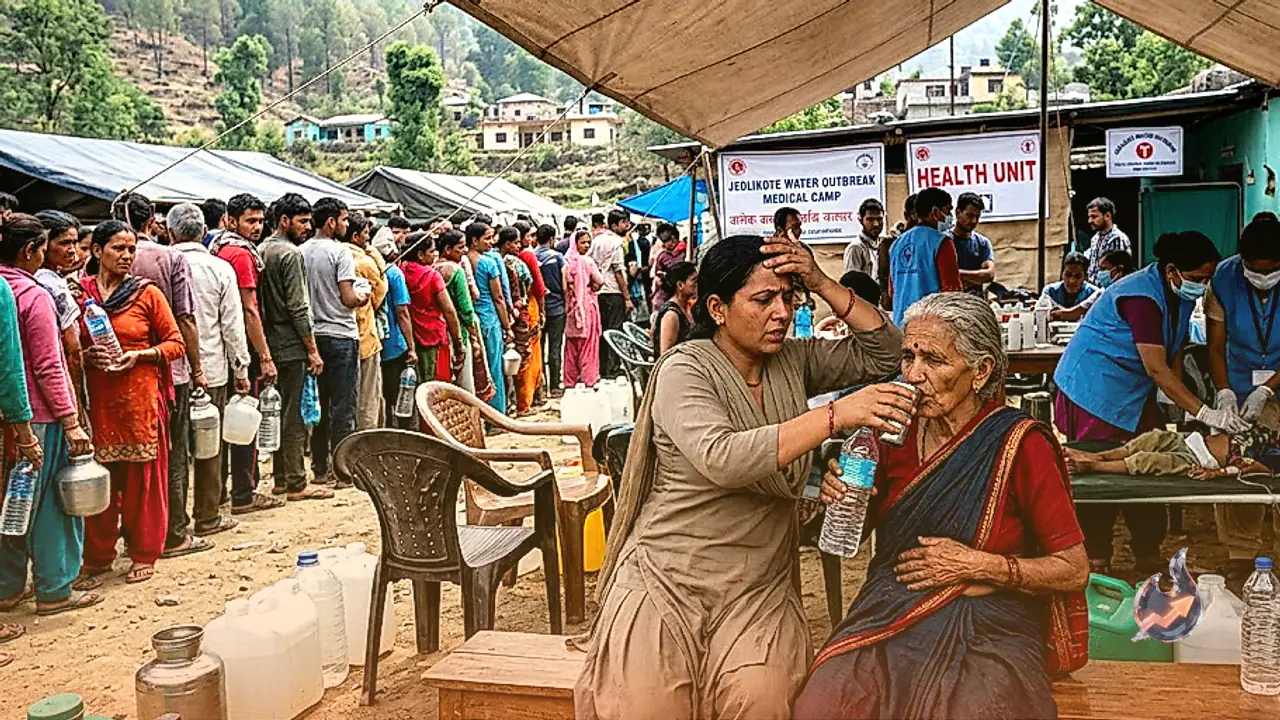

A severe outbreak of waterborne illnesses has gripped five villages surrounding the Jeolikote area in Uttarakhand's Naini Tal district, where approximately two hundred individuals are suffering from jaundice, high fever, and severe diarrhea. Local residents have strongly alleged that consuming foul and polluted water supplied through municipal taps led to this widespread health crisis, while tragic reports confirm that two people lost their lives on Sunday amidst the worsening situation. Community members state that the water crisis and contamination issues have persisted since June 25, affecting over fifteen thousand residents who came into contact with the compromised water supply. The soaring medical expenses required for treatment have severely compounded the daily hardships and financial distress of the affected families.
Soaring Hospital Bills and Medical Costs
Sharing his ordeal, a local resident stated that he spent over 1.60 lakh rupees to bring his son back home from the hospital and is now forced to spend an additional 5,000 rupees every five days on medications. Questioning the authorities, he asked where ordinary citizens are supposed to seek proper medical care and demanded that the government clearly announce designated hospitals with adequate facilities and locations providing clean drinking water. He noted that when hundreds of people are already hospitalized with severe infections, supplying clean water later provides little comfort to grieving families whose members perished at home. The resident further remarked that had timely action been taken years ago, two long-pending infrastructure projects could have been completed, noting that funds are being heavily spent under the Jal Jeevan Mission without delivering actual potable water to households.
Compelled to Consume Polluted Water
Another local resident expressed deep anguish, stating that it is heartbreaking to be forced to drink contaminated water from the very taps meant to supply safe drinking water. He mentioned that the community has repeatedly raised this critical issue through protests and demonstrations, warning that unless the concerned departments take decisive action, the risk to human lives will continue. Appealing directly to the district magistrate, he urged officials to intervene immediately and direct the responsible department to implement permanent safeguards to prevent such incidents from recurring now or in the future. According to locals, several individuals from the affected areas remain admitted in intensive care units as the health crisis unfolds.
Persistent Administrative Apathy Despite Warnings
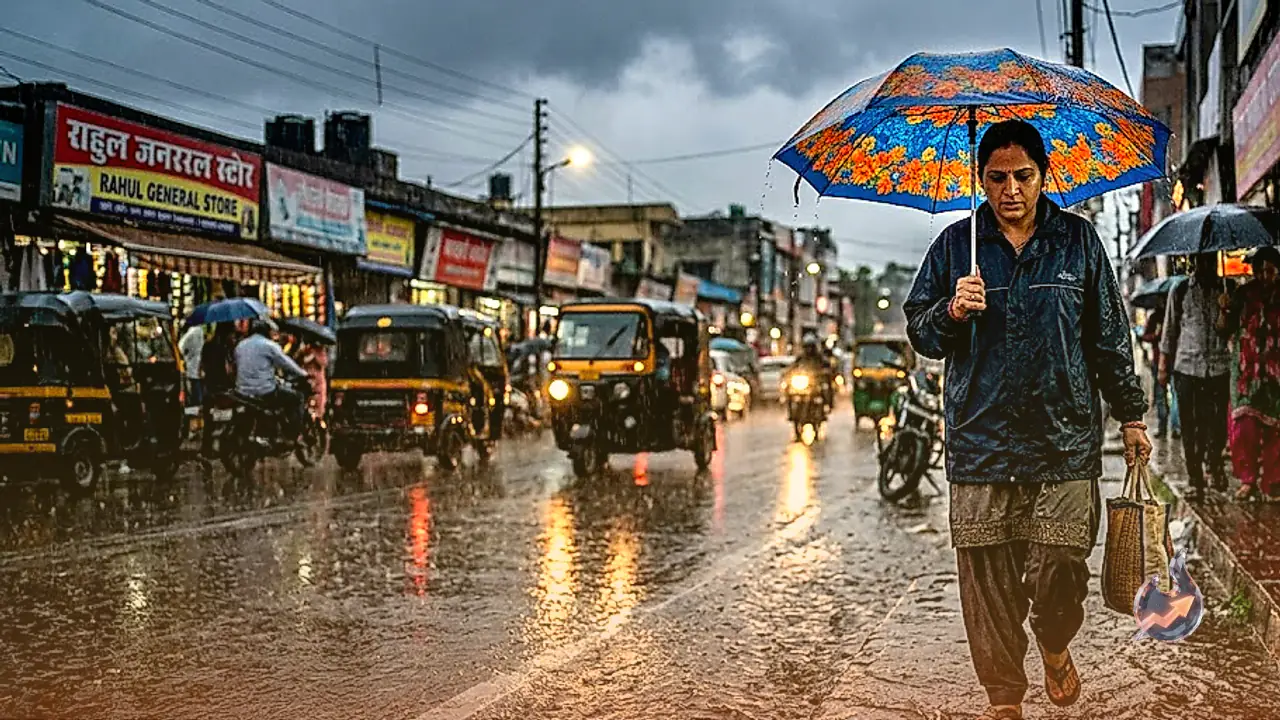
Residents have alleged that recent rainfall likely damaged sewerage lines, causing them to leak into the drinking water supply pipes and contaminate the entire network. According to locals, the crisis has been ongoing for nearly two months, yet administrative authorities failed to take any corrective action despite repeated complaints. Local resident Suraj Pandey noted that the problem did not originate recently, recalling that a similar uproar occurred five years ago in Beervatti-Chidon when leakage levels were lower. He added that had authorities paid attention back then, the current crisis would have been averted, and questioned accountability regarding the sewage systems maintained by local resorts, hotels, and large schools.
Political Visits and Hospital Admissions
Jeolikote village head Naval stated that local representatives had already informed the department about the impending danger, noting that residents have been struggling with this issue for the past two months without receiving any relief. Expressing frustration with visiting politicians, he remarked that they merely arrive, pose for photographs, and leave, while local children suffer critically in hospitals. Meanwhile, data from Naini Tal's B.D. Pandey Hospital indicates that eleven new patients from around Jeolikote have been admitted, with medical authorities closely monitoring the unfolding situation.
Health Department and Administration Response
Dr. Draupadi Garbyal, Chief Superintendent of the Naini Tal District Hospital, stated that such cases have been trickling in for roughly fifteen days, with around twenty-six patients admitted so far. Providing the daily figures, she noted that out of sixty-five patients currently under care, eleven hail from Jeolikote, while doctors continue to monitor their recovery closely. She mentioned that the health department is actively organizing medical camps across various locations and making necessary preparations to manage the situation. According to her, the current situation does not demand an urgent requirement for extra hospital beds, though authorities will continue to assess conditions moving forward.
District Magistrate and Chief Medical Officer Directives
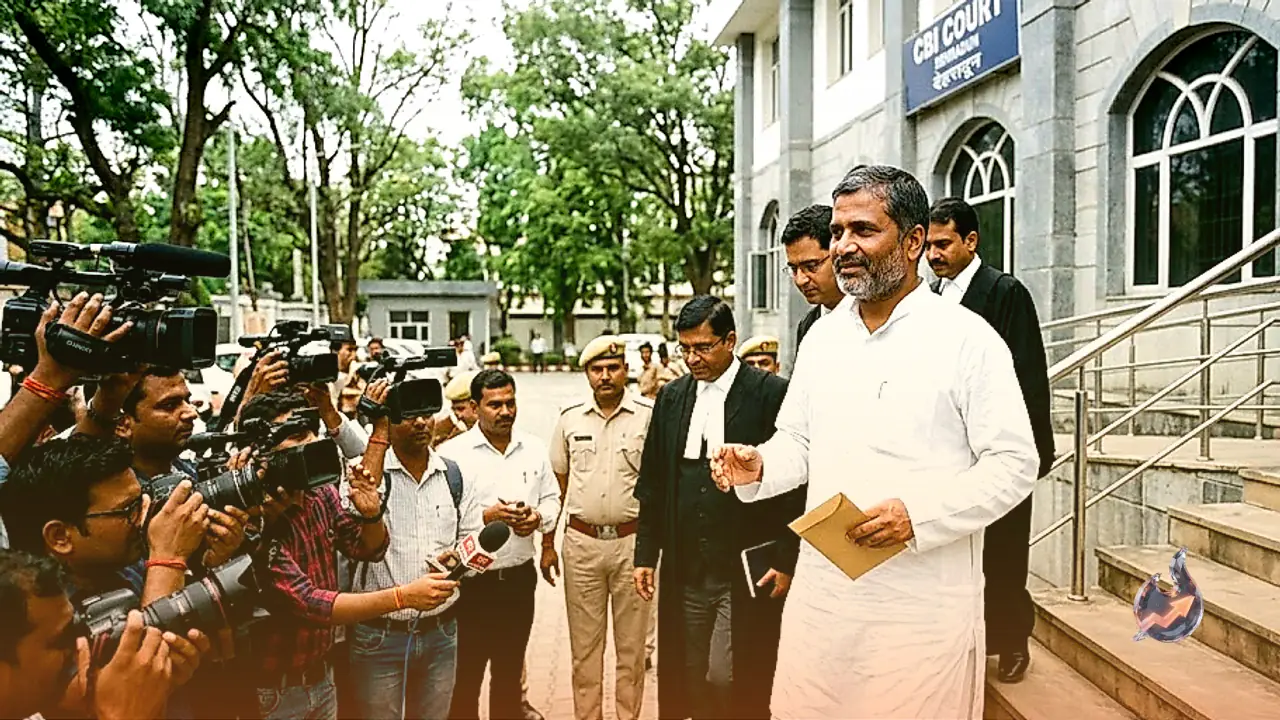
Following reported fatalities and the escalating health threat, a joint team comprising district administration and health department officials inspected the affected zones. Naini Tal District Magistrate Lalit Mohan Rayal stated that teams treated various water sources and collected samples to test for any cross-contamination or intersection with the sewage system. He added that private water tanks and external sources outside direct administrative control underwent multi-stage bleaching and chlorination, while respective water authorities received strict instructions to clean and sanitize supply sources. The Chief Medical Officer was also instructed to deploy medical teams on the ground to ensure affected residents receive timely treatment. Chief Medical Officer Dr. Rashmi Pant advised residents to drink properly boiled water, store it securely in covered containers for consumption within twenty-four hours, rely exclusively on chlorinated supplies, and avoid outside food items or raw produce.