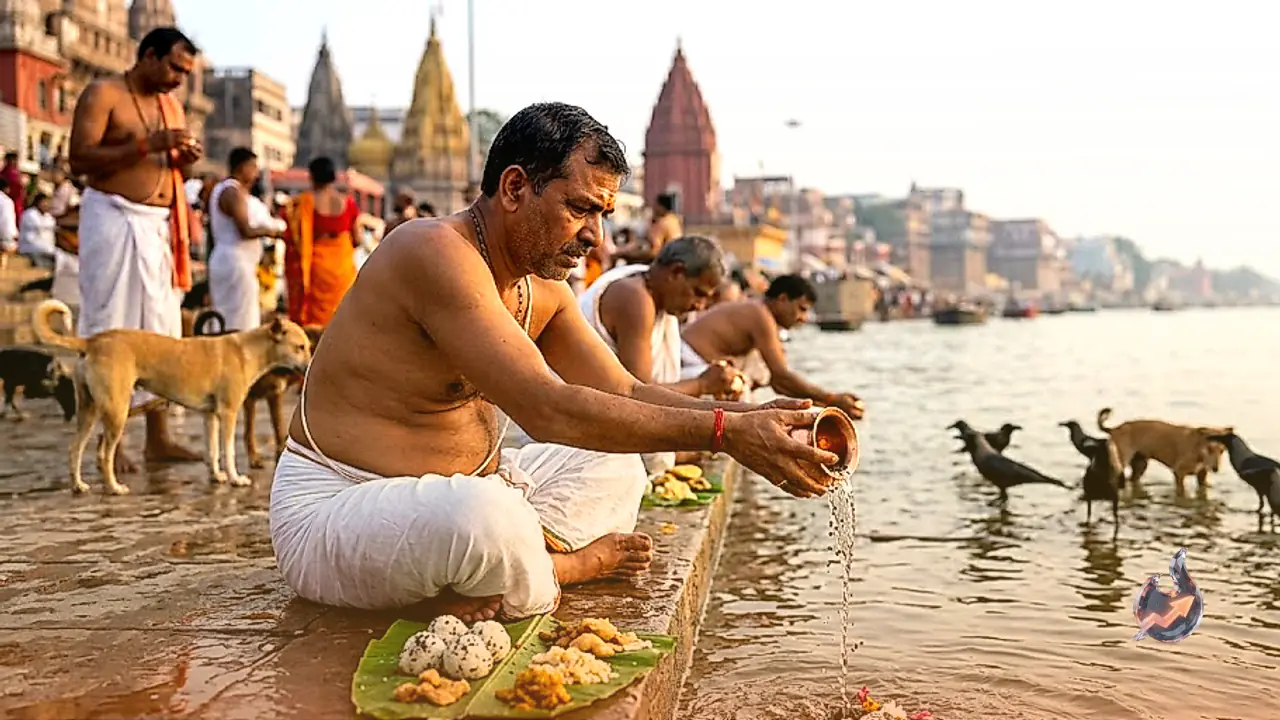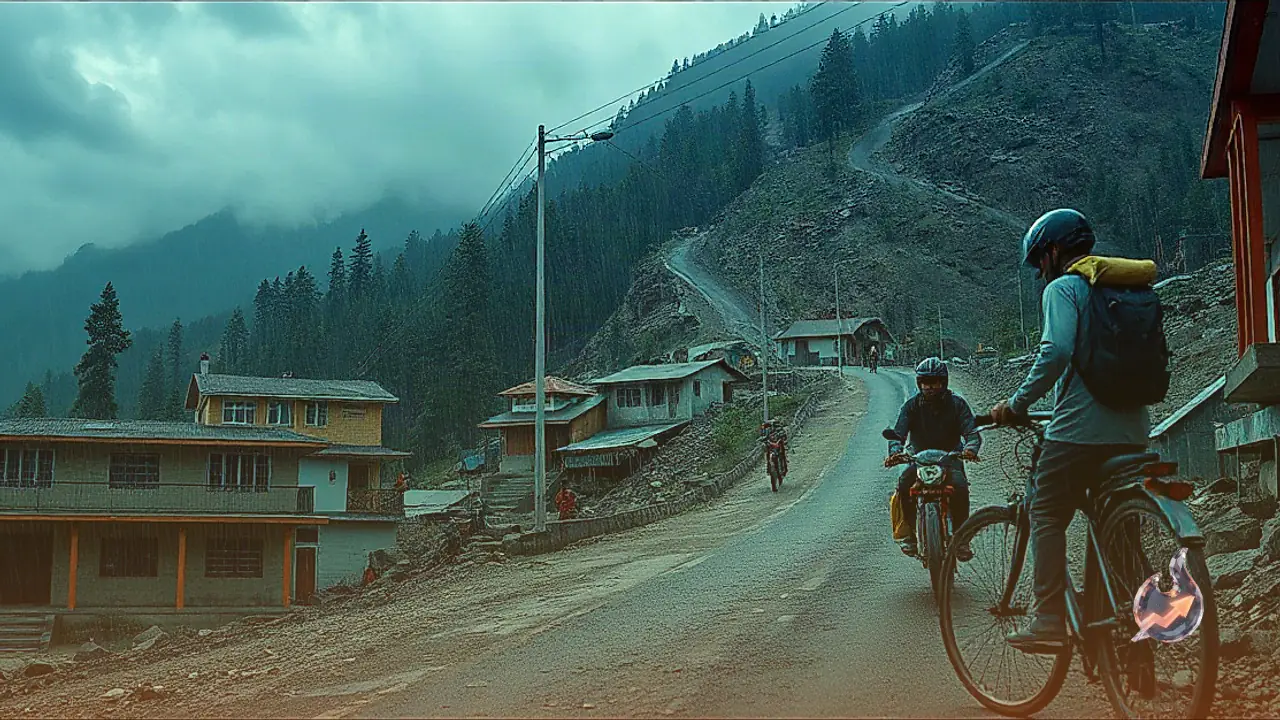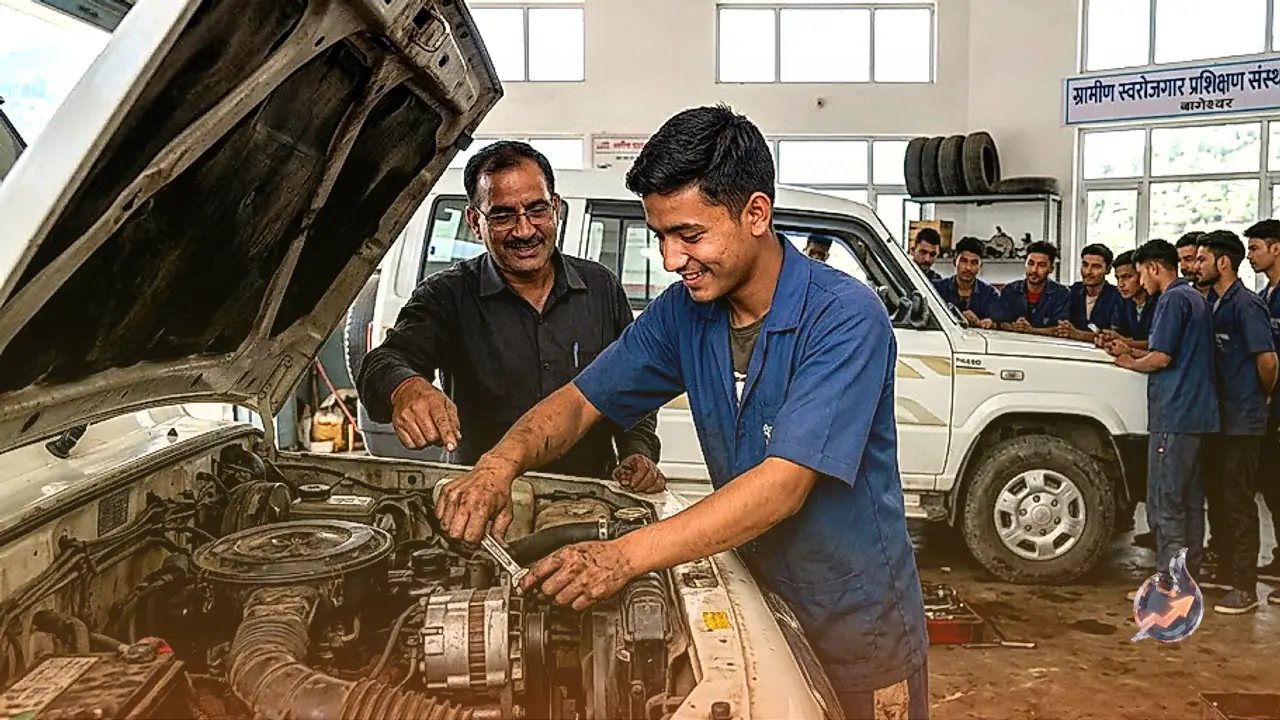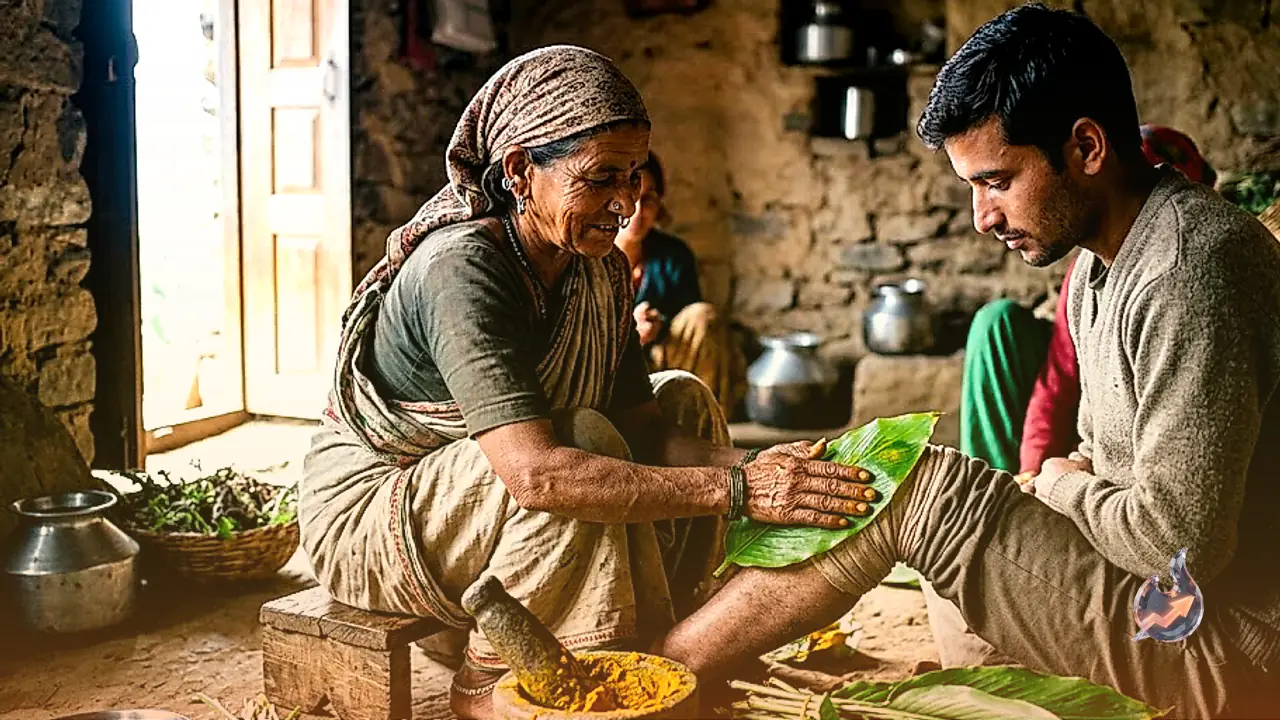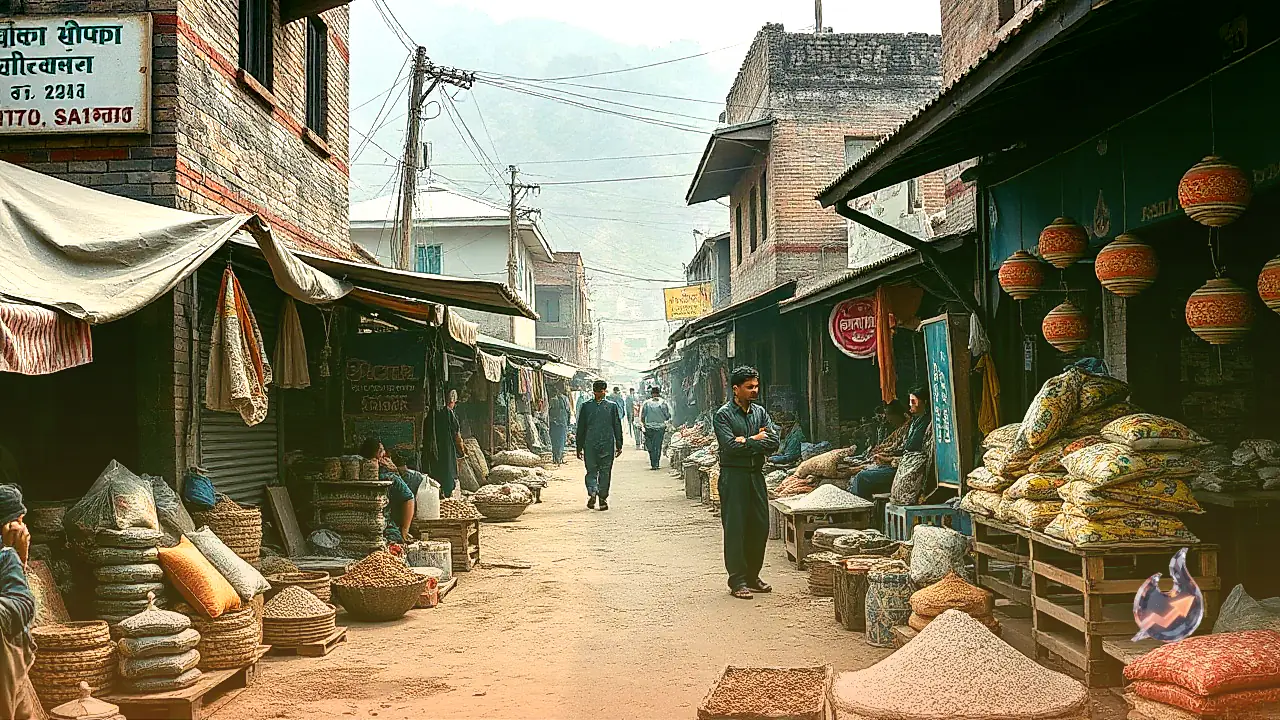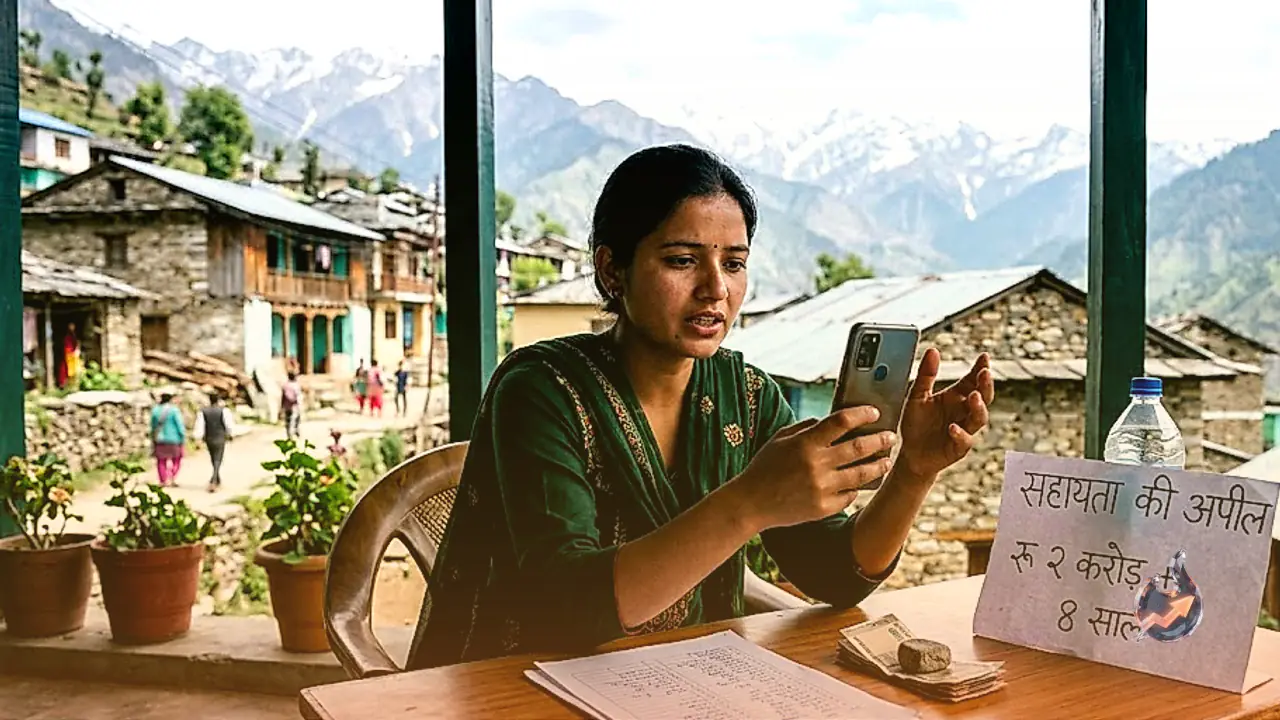
















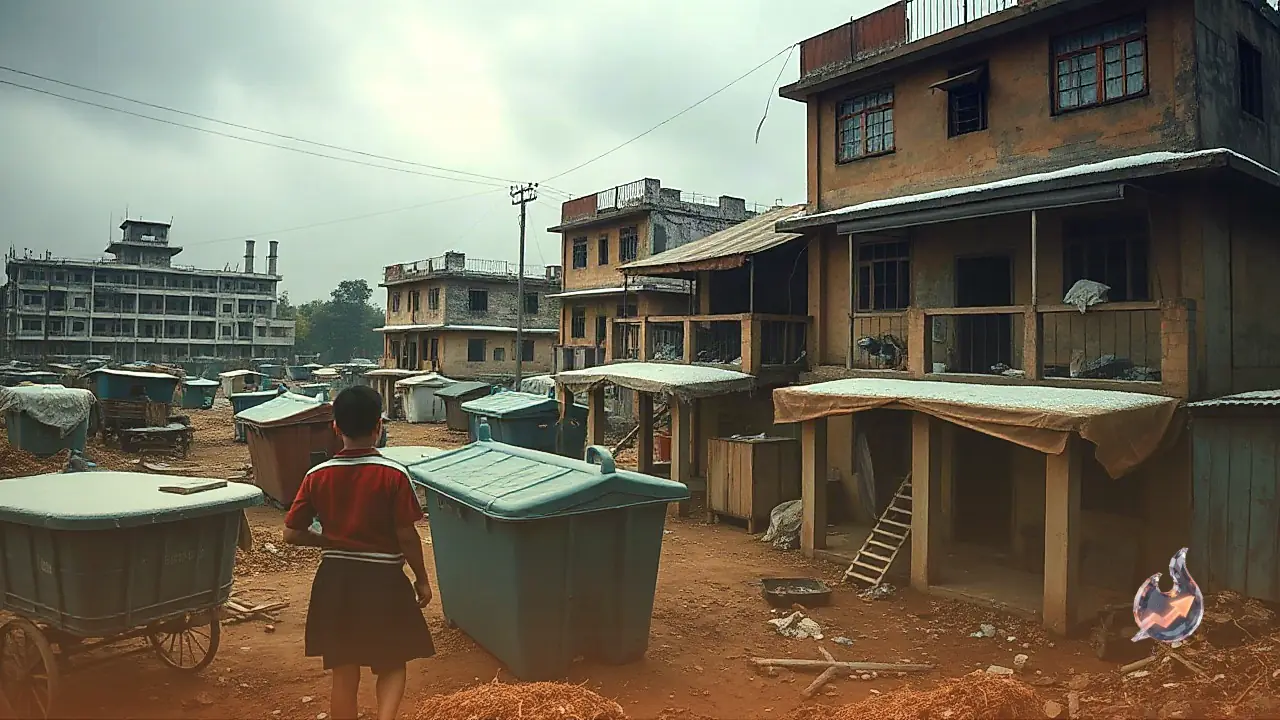

A catastrophic natural calamity in Nepal has severely disrupted the lives of countless families, leaving behind a trail of grief and destruction. Many individuals have witnessed their homes crumble, while numerous young children have been tragically orphaned, losing the protective care of their parents. With the arrival of September, the transition toward the harsh winter season has already begun, presenting a major challenge for families who are currently homeless and lacking basic shelter. In this hour of deep distress, the people of Dehradun have shown exceptional solidarity by extending a helping hand to their neighboring country. A major fundraising and relief campaign was initiated on social media platforms by the Gorkhali Sudhar Sabha in collaboration with the residents of Dehradun, evoking a massive public response.
Mobilizing Financial Support via Social Media
This community-driven campaign successfully gathered a significant financial contribution, raising between 60 lakh and 70 lakh Indian Rupees (INR). When converted, this amount is equivalent to approximately 1 crore Nepali Rupees (NPR). The organizers are currently preparing to utilize these resources to purchase and transport essential relief materials directly to the disaster-stricken zones in Nepal. The primary focus of the initial phase of distribution will be on providing immediate relief, which includes warm winter clothing, heavy blankets, comfortable bedding, and other daily necessities required to survive the cold weather.
Strategic Allocation of Funds: From Warm Bedding to School Labs
Beyond immediate survival needs, the organizers are also planning long-term rehabilitation efforts. The funds will be strategically utilized to assist educational institutions that suffered severe structural damage during the disaster. Depending on the specific requirements of each affected school, the campaign aims to fund the reconstruction of school buildings, establish modern science laboratories, set up fully stocked libraries, or build multi-purpose halls, ensuring that children do not lose their right to quality education.
An 88-Year Legacy of Humanitarian Service
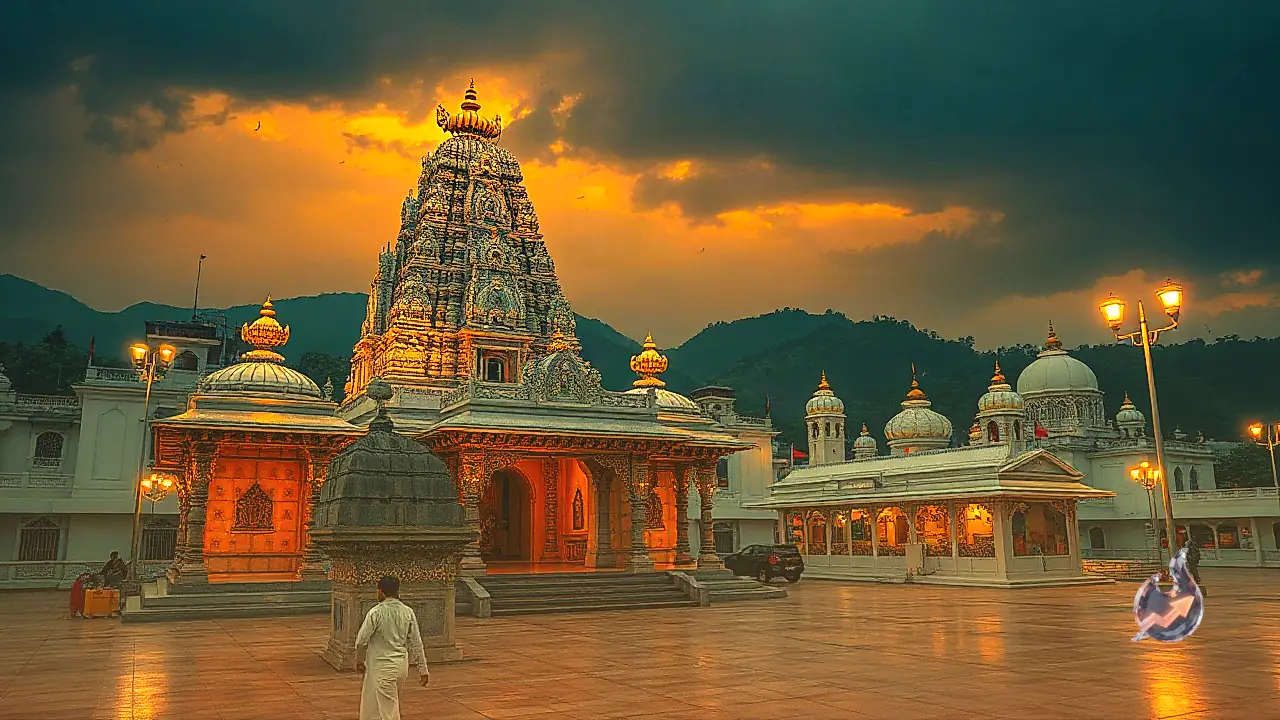
The driving force behind this campaign, the Gorkhali Sudhar Sabha, has a long and storied history of public service. According to Padam Singh Thapa, the president of the organization, this group stands as one of the most prominent social institutions representing the Gorkha community in Dehradun. The organization was formally established on April 17, 1938, in the Dobhalwala locality of Dehradun. Over the past 88 years, the Sabha has remained dedicated to uplifting vulnerable sections of society, including the economically disadvantaged, helpless individuals, elderly citizens, widows, and orphans, while constantly working toward overall community development.
Padam Singh Thapa highlighted that the Gorkhali Sudhar Sabha has consistently responded to emergencies throughout its 88-year journey. Whenever a natural disaster strikes Nepal or any other region, the organization rapidly mobilizes relief teams and essential supplies to assist those in need. Following the recent disaster in Nepal, the Sabha immediately leveraged social media networks to issue an urgent appeal for help. The digital campaign resonated deeply with the public, drawing in generous contributions from individuals across various walks of life.
Strengthening the Historic Bond Between Uttarakhand and Nepal
The relationship between Uttarakhand and Nepal goes far beyond simple geographical proximity. Abhishek Shahi, the Vice Chairman of the Gorkha Kalyan Parishad within the Uttarakhand government, emphasized that the two regions share an ancient and deep-rooted cultural connection, often referred to as a "Roti-Beti" relationship, representing close familial, social, and marital ties. Because of these enduring historical bonds, the people of Uttarakhand feel a deep personal responsibility to stand shoulder-to-shoulder with the citizens of Nepal during this challenging period.
Abhishek Shahi also noted that the relief effort has transcended community lines, receiving active support from diverse social groups across Uttarakhand. Following extensive discussions with the leadership of the Gorkhali Sudhar Sabha, a comprehensive roadmap was established. It was decided that all the gathered funds and physical relief materials would be systematically managed and delivered to the most vulnerable individuals on the ground in Nepal.
Ensuring Direct Ground-Level Impact and Coordination
To maximize the efficiency of the relief distribution, organizers are maintaining continuous communication with the Nepalese government as well as local non-governmental organizations working on the ground. Abhishek Shahi explained that this close coordination is vital to identifying the exact areas that require urgent intervention and understanding what specific items are needed most by the affected population. A dedicated relief team from Dehradun is scheduled to travel directly to the disaster zones to oversee the distribution process and ensure transparency.
While multiple international humanitarian agencies are currently operating in Nepal, the Dehradun team is focusing on addressing critical gaps left by general relief efforts. With the winter season rapidly setting in, the immediate delivery of high-quality bedding, heavy blankets, and warm clothes to families living in temporary shelters is of paramount importance. Special attention and resources will be dedicated to supporting orphaned children who have lost their parents in this tragedy, ensuring they receive long-term emotional and material support. This relief mission from Dehradun represents much more than material aid; it is a powerful message of hope, reminding the survivors in Nepal that they are not alone in their journey toward recovery.