
















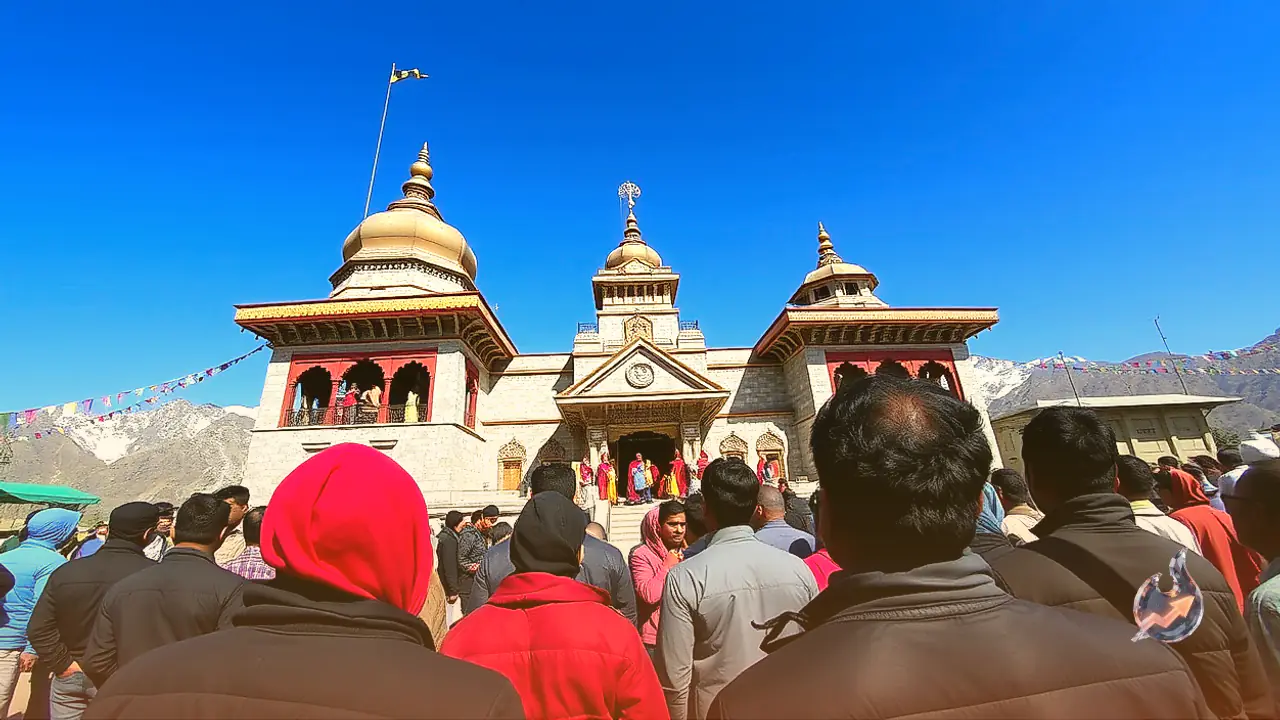

Across the Himalayan state of Uttarakhand, sacred shrines are woven deeply into the social and spiritual fabric of mountain communities. Among these holy destinations, the Maa Kotgadi Devi Temple, situated in the rugged terrains of Pithoragarh district, commands a distinct and revered standing. Known locally as Maa Kokila Devi, this place of worship is not merely visited for routine blessings, wealth, or peace. Instead, generations of villagers revere the goddess as the ultimate dispenser of divine justice. Whenever people find themselves wronged by societal cruelty, administrative failures, or prolonged courtroom disputes, they turn their steps toward this quiet mountain sanctuary in the Pankhu region to present their final appeals directly before the deity.
The Tradition of Divine Adjudication and Written Petitions
In the cultural landscape of Kumaon, Maa Kotgadi is worshipped as the supreme deity of fairness and moral order. Folk belief holds that earthly bias, corruption, or legal loopholes cannot deceive the divine court of the goddess. Intrigued by an enduring tradition, aggrieved individuals visit the temple with detailed written applications explaining their grievances. Remarkably, devotees often bring formal stamp papers and copies of worldly court verdicts, submitting them respectfully at the sanctum sanctorum. The local conviction runs so deep that families are believed to approach the goddess to resolve injustices dating back as far as five generations. The conviction remains steadfast: where worldly systems falter, Maa Kotgadi steps in to balance the scales of truth and restore peace to troubled households.
Historical Documentation in Academic Research
This distinct practice of seeking judicial intervention from the divine is thoroughly authenticated in scholarly literature. Prominent historian Prof. Ajay Rawat documented the customs, rituals, and socio-religious influence of the shrine in his acclaimed work, Cultural History of Uttarakhand. In his comprehensive study, Rawat referenced findings by renowned historian Dr. D.D. Sharma to highlight how deeply this temple influences public conscience. Historians draw a direct parallel between the customs of Maa Kotgadi Devi and the revered Golu Devta shrines located at Chitai in Almora and Ghorakhal in Nainital district. Just as devotees hang written letters and legal petitions before Golu Devta, worshippers at the Pankhu temple place their formal legal complaints before the goddess, keeping centuries of customary law alive.
Folk Legends and the Vision of the Kotgada Caste
The consecrated grounds of the temple trace their origins to a widely known regional legend recorded by historians. According to traditional narratives, centuries ago, a member of the Kotgada caste experienced a vivid and transformative dream. In this vision, the goddess manifested her presence and expressed her desire to be established and venerated at this specific hillside location. Acting upon the sacred instructions revealed in the dream, local residents built the shrine and instituted the daily ceremonial rituals. The sacred name of Kotgadi Devi thus honors that early connection to the Kotgada community, embedding the site deep within the oral folklore and cultural legacy of the Kumaon hills.
Journey Across the Hills to Pankhu
Geographically, the sacred shrine is located roughly 55 kilometers away from the district headquarters of Pithoragarh. Pilgrims heading toward the site typically travel by motor vehicle from Pithoragarh through the town of Thal, eventually arriving at Pankhu village. From Pankhu, the motorable road ends, requiring visitors to embark on a foot trek of approximately two kilometers along mountainous paths. Flanked by tranquil pine and oak forests, this scenic walk provides a peaceful buffer between daily life and the divine court, giving pilgrims time for introspection before presenting their grievances to the deity.
Festivals and Sacred Gatherings Across the Seasons
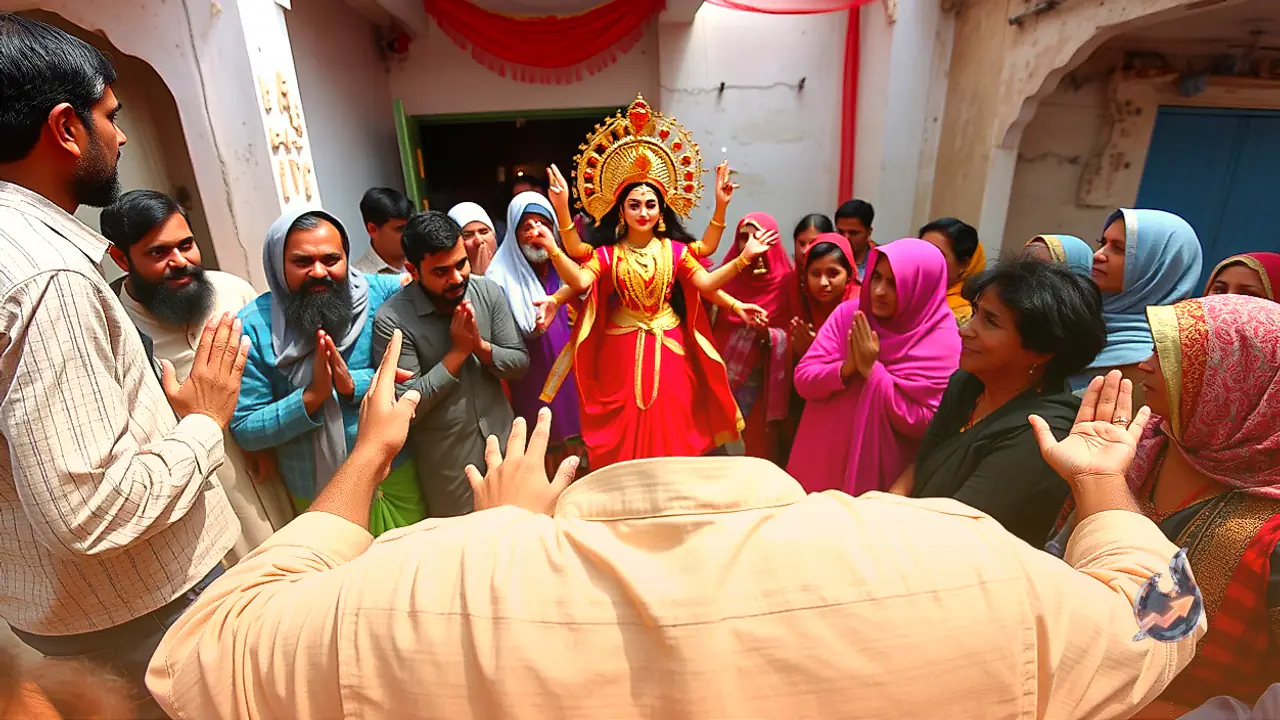
While devotees visit throughout the year, the temple witnesses significant congregations during auspicious Hindu months. During both the Chaitra and Ashwin Navratri observances, the eighth day, known as Ashtami, features a grand folk festival that draws pilgrims from across the region. Other important ritual occasions include Rishi Panchami in the month of Bhadrapada, the fifth day of the waxing moon in the month of Kartik, Kartik Purnima, and Baisakhi. Kartik Purnima is particularly significant in the hills, where it is also recognized as Tripuri Purnima or Ganga Snan, drawing worshippers for sacred rituals and communal devotion. Through every season, the shrine remains a living monument of faith, community justice, and enduring Himalayan traditions.