

















In the Himalayan terrain of Uttarakhand, folk art forms carry profound cultural significance, bridging ancestral rituals with community identity. Among these, Aipan stands out as a distinctive geometric and devotional art style that once adorned humble thresholds and prayer corners across the hills. Kanchan Upadhyay, a resident of Mandalsera in the Bageshwar district, has spent the past 10 years mastering and developing this traditional craft. Rather than keeping her decade of creative expertise to herself, she has stepped forward to conduct free instructional workshops for women in her community, aiming to preserve this folk heritage while transforming it into a practical channel for self-employment.
Preserving Ancestral Knowledge for Future Generations
For Upadhyay, Aipan is far more than a decorative visual pattern; it is intrinsically linked to the spiritual traditions and everyday rituals of Uttarakhand. Having acquired the intricate design techniques from her own family elders, she recognized that traditional knowledge faces the risk of gradual decline if it is not actively taught to the younger generation. Her decision to conduct complimentary training sessions stems from this concern. By opening her craft to neighborhood women without charging any fees, she seeks to guarantee that economic hardships never prevent an aspiring learner from acquiring these time-honored artistic techniques.
Transitioning from Ceremonial Thresholds to Modern Products
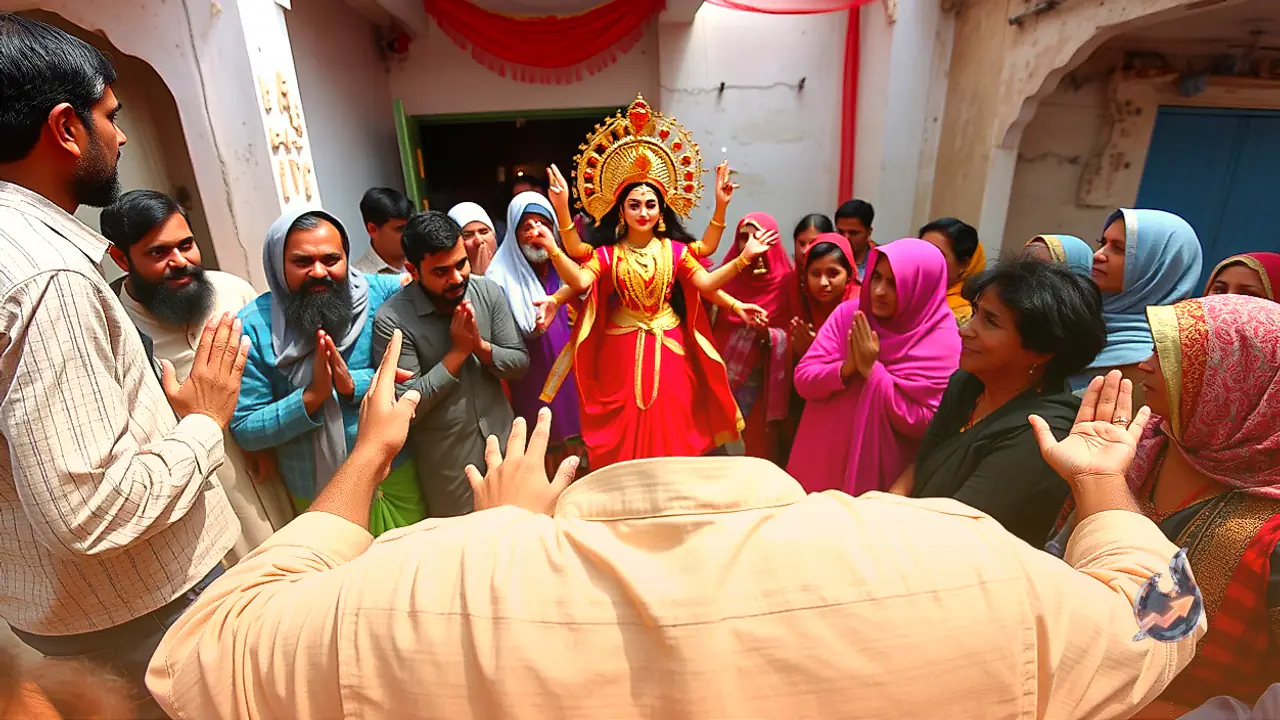
Historically, Aipan held a sacred space during auspicious ceremonies, festivals, and life-cycle rituals, where women drew specific sacred motifs on courtyard floors, entryways, and domestic altars. While urban lifestyles have transformed domestic spaces, appreciation for this artistic heritage remains exceptionally high. Upadhyay emphasizes that contemporary uses of Aipan have broadened significantly beyond conventional ceremonial settings. Today, these motifs are being applied onto wooden craft items, festive ceremonial thalis, ornamental house plaques, nameplates, and a wide array of handmade home accent products that appeal to modern consumers looking for traditional craftsmanship.
Fostering Home-Based Financial Autonomy for Women
A primary motivation behind this community initiative is the economic empowerment of women who are often bound to domestic duties. Many homemakers in regional districts are unable to commute outside their households to seek employment because of caregiving duties and family responsibilities. Engaging with Aipan craftsmanship offers a viable option that fits comfortably around their domestic routines. By learning how to paint quality patterns on transportable products, women can establish modest cottage operations right from their homes, turning their artistic labor into a dependable supplementary income stream.
Connecting Heritage Craftsmanship with Commercial Realities
While mastering brushwork and patterns is foundational, Upadhyay also stresses the importance of understanding commercial viability. Generating steady earnings from artisanal work requires attention to detail, maintaining product durability, understanding modern consumer preferences, and establishing channels to reach interested buyers. By offering free guidance, Upadhyay helps bridge the gap between cultural inheritance and commercial livelihood. Her ten-year journey demonstrates that preserving ancient regional folklore does not require freezing it in the past; rather, teaching it widely enables grassroots women to build dignity, self-reliance, and enduring respect for their regional legacy.