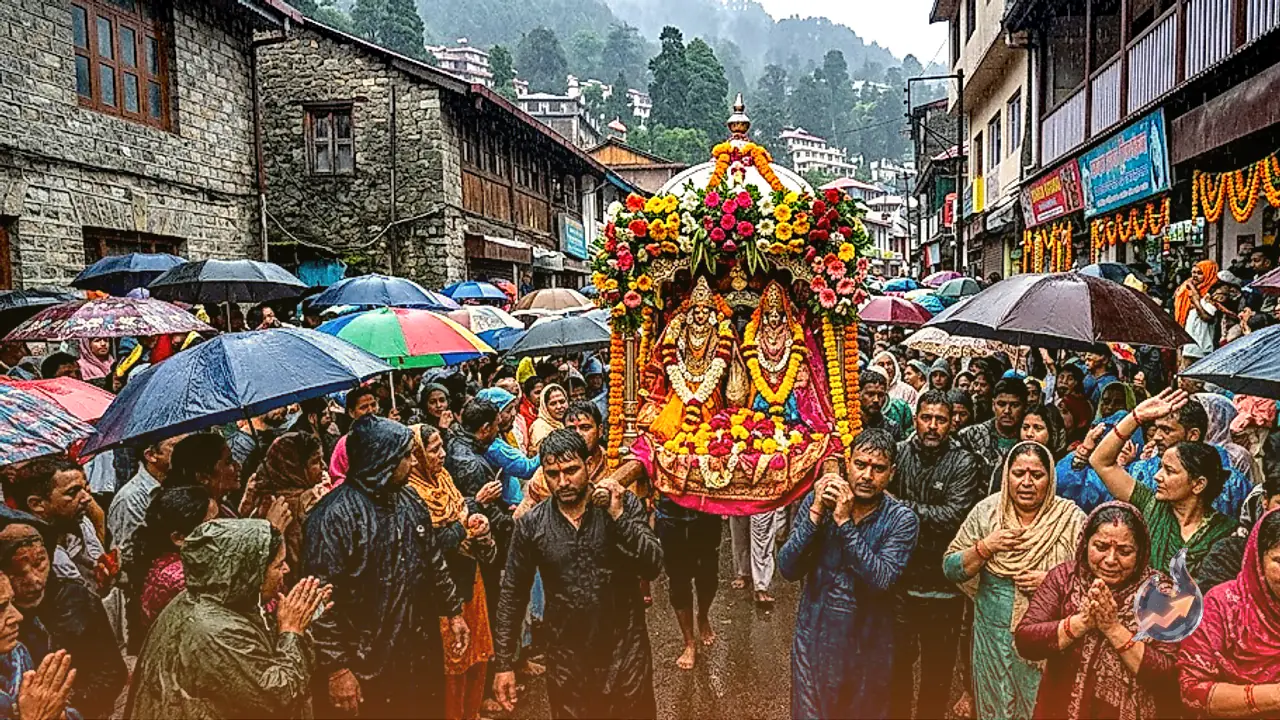





















In Hindu tradition, Pitru Paksha, the sacred fortnight dedicated to expressing deep reverence, gratitude, and remembrance toward ancestors, is scheduled to commence on September 26. Spanning a total duration of 16 days from the full moon of Bhadrapada to the new moon of Ashwin, this period is considered profoundly significant for offering Tarpan, Pind Daan, and associated ancestral rites. Traditional beliefs hold that observing these rituals according to scriptural guidelines helps alleviate persistent life troubles and paves the way for household peace and prosperity. Families wait for this sacred window every year to carry out obligations toward departed souls in accordance with Vedic customs. However, severe financial distress often causes deep concern among individuals who worry about their inability to perform rituals due to lack of money. Sacred texts provide practical, heartfelt, and accessible solutions for such situations.
The Core Meaning of Shradh Lies in Devotion
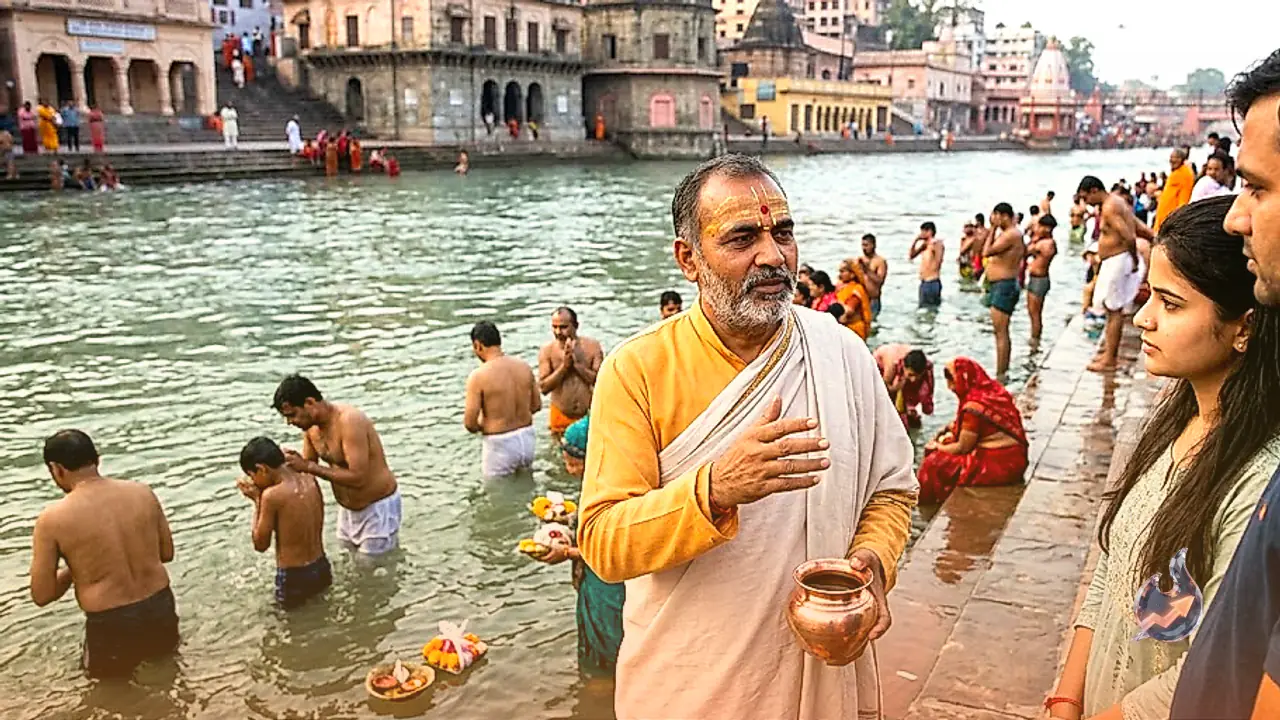
According to Pandit Manoj Tripathi, the chief priest at the historic Narayani Shila Temple in Haridwar, the spiritual essence of Shradh is rooted in sincere devotion rather than costly material arrangements. Noble and heartfelt intentions reach the ancestors directly, bringing them inner contentment before they depart for their realm. Pandit Manoj Tripathi explains that when someone faces severe financial constraints and lacks the resources needed for elaborate ceremonies or feasts, there is no reason to despair. Such individuals can simply offer pure, clean water on the specific death anniversary date of their ancestors, focusing on their memory with solemn reverence.
Standing in Sacred Water with Raised Hands for Forgiveness
Explaining an accessible ritual for those under financial strain, Manoj Tripathi outlines a specific practice that can be conducted during a bath in any sacred river. The individual enters the water, stands facing Lord Surya Narayan, raises both hands upward, and offers a heartfelt prayer with absolute humility and faith.
During this prayer, one should earnestly convey that they lack financial resources for ancestral ceremonies this year and possess only pure devotion, genuine feelings, and sincere gratitude. The individual requests forgiveness and asks the ancestors and the Sun deity to accept these heartfelt sentiments in place of elaborate rituals. The prayer concludes with a solemn pledge that once financial circumstances improve in the future, full traditional rituals will be carried out with complete devotion. According to traditional belief, ancestors are deeply pleased by such honesty and humility, blessing their descendants with adequate strength and resources to perform the rites joyfully in subsequent years.
Performing Rites at Home and Serving the Son-in-Law and Grandson
Devotees who are unable to travel directly to major pilgrimage centers like Narayani Shila in Haridwar can easily conduct these remembrance rituals within their own homes. Manoj Tripathi points out that among the eight sacred components described in religious scriptures, the daughter's son, known as Dauhitra, and the son-in-law hold prime significance. Inviting one's son-in-law or grandson home on the day of Shradh, serving them a meal with respect, and seeking their presence brings satisfaction to ancestors, who in turn shower the entire household with complete blessings.