






















The tranquil mountains of Uttarakhand once witnessed an era where an escaped soldier transformed pristine high-altitude woodlands into a lucrative timber empire. This historical account centers on Frederick Wilson, who served as an ordinary soldier in the British Indian Army and was stationed at the Mussoorie cantonment. Facing serious consequences after killing a fellow soldier, Wilson deserted his post and fled. Moving northwards into the mountains, Wilson arrived at the princely state of Tehri Garhwal. Seeking livelihood, he requested employment from the King of Tehri Garhwal, but the ruler turned down his appeal.
Settling in Harsil and the Musk Deer Trade
Leaving Tehri Garhwal behind, Wilson traveled further up into the Bhagirathi valley until he reached Harsil. There, he married a local woman and established his permanent residence. Wilson soon turned his attention to wildlife exploitation, conducting extensive hunting of musk deer across the Harsil valley. He exported the pelts and precious musk extracted from these animals outside India to generate substantial earnings. However, Wilson had set his sights on an even larger commercial opportunity: the dense deodar cedar forests carpeting the mountainsides, which he sought to harvest for immense profit.
Railway Expansion and Logging Concessions
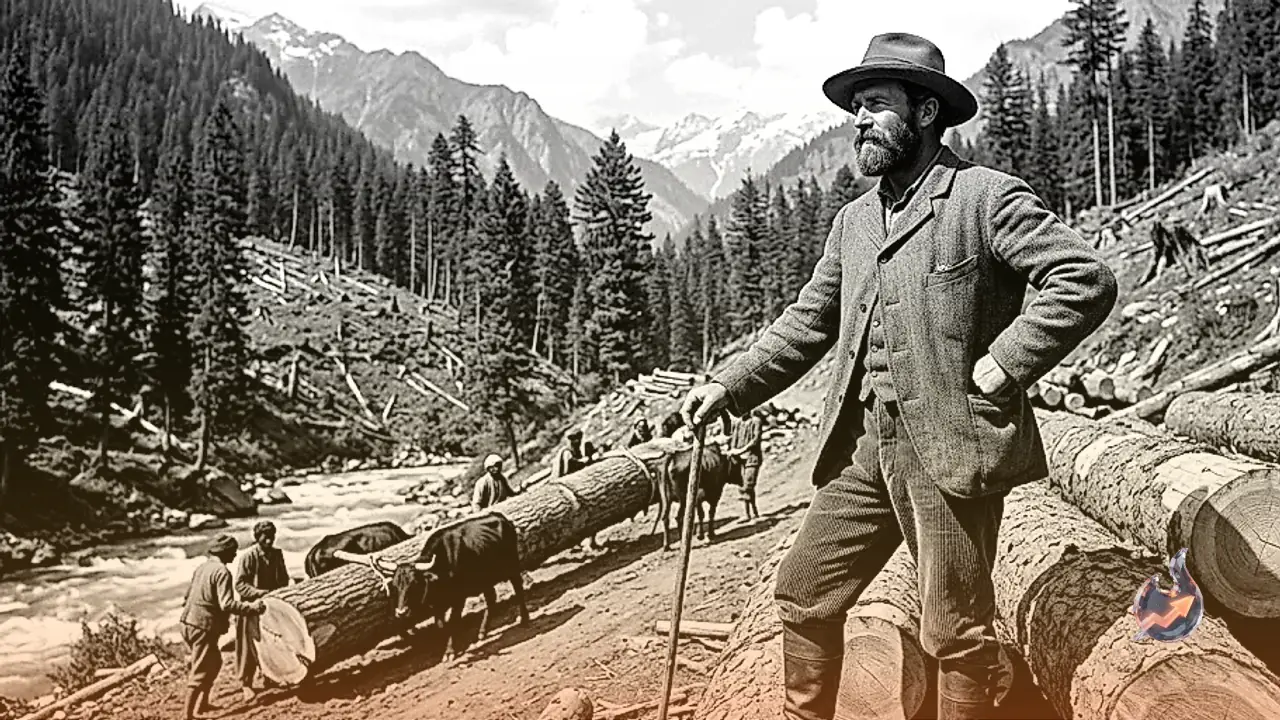
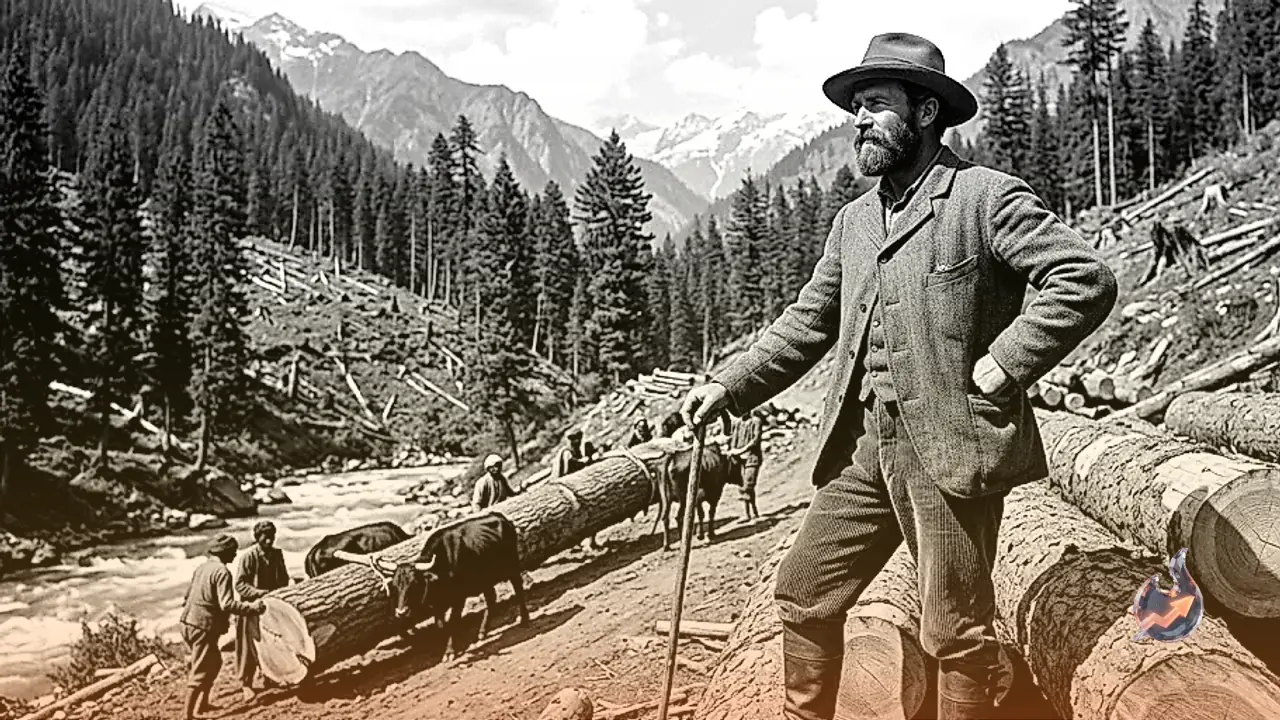
Initially, the King of Tehri Garhwal refused to grant Wilson authorization to fell trees in the royal forests. The situation shifted dramatically when the British administration accelerated railway line construction across the subcontinent, sparking an unprecedented demand for wooden railway sleepers. Following this development, the King of Tehri Garhwal granted Wilson permission to cut timber. Capitalizing on the contract, Wilson installed heavy machinery along the banks of the Bhagirathi River to process the fallen timber.
River Transport to Haridwar and Wilson's Coinage
Exploiting the water network, Wilson cut millions of tons of deodar cedar and floated the massive logs down the swift currents of the Bhagirathi River all the way to Haridwar. His deforestation was so rampant and vast that locals began remarking that he had sold off the Himalayas themselves. Over time, Wilson emerged as the unchallenged ruler of the Harsil valley. Cementing his local dominance, he even began minting and circulating currency coins struck in his own name.
The Timber Palace and Sunderlal Bahuguna's Indictment
Within Harsil, Wilson constructed a grand and luxurious palace built entirely of choice deodar cedar timber. Decades later, legendary Chipko movement founder Sunderlal Bahuguna identified Frederick Wilson as the primary culprit behind the widespread devastation of north Indian forests. Wilson's systematic exploitation stands as an early example of commercial environmental destruction in the sensitive Himalayan watershed.