





















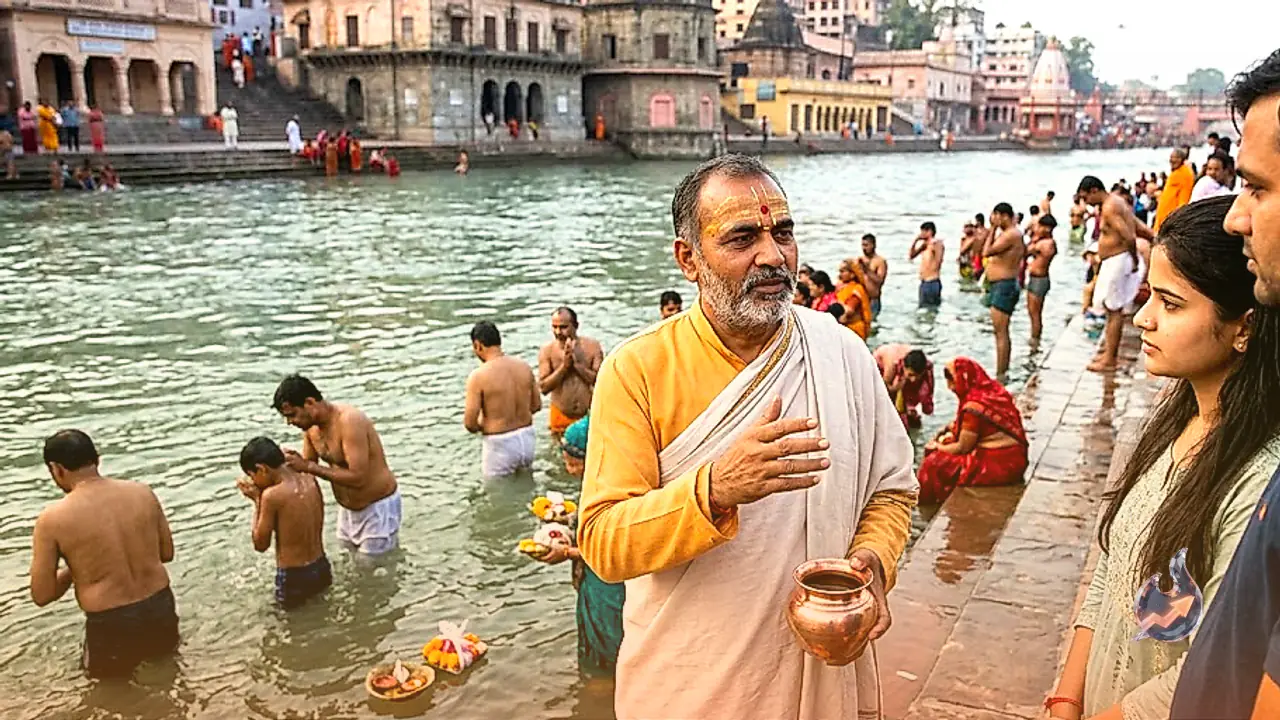

Uttarakhand is widely revered as Devbhoomi, home to renowned pilgrimage destinations and rivers that carry profound spiritual importance. Large gatherings of devotees regularly travel to the banks of sacred waterways such as the Ganga, Yamuna, Saryu, and Gomti to take holy dips and perform traditional worship. Within long-standing religious beliefs, bathing at sacred pilgrimage sites is deeply connected to purifying both the physical body and the inner consciousness. Traditional convictions hold that taking a bath with genuine devotion and correct ceremonial conduct bestows spiritual merit on an individual and paves the path toward spiritual liberation.
Spiritual Bathing Transcends Physical Cleansing
Devotees who visit sacred shrines rarely pause to contemplate the appropriate way to take a dip in consecrated waters. According to scholar Pandit Kailash Upadhyay of Bageshwar, taking a holy bath is never merely about stepping into the flow to wash physical dirt away. Instead, observing cleanliness, deep devotion, and religious decorum remains equally fundamental. When personal conduct at the riverbank disregards the sanctity of the water, the spiritual essence of the pilgrimage is compromised.
Preventing Water Contamination as a Sacred Obligation
Pandit Kailash Upadhyay emphasizes that the foremost priority while bathing in a holy river is to ensure the water does not become polluted. Devotees should strictly avoid introducing body impurities, soap, shampoo, or similar cleansing formulations into the river current, as these artificial substances degrade natural purity and theological sanctity. In the same manner, washing soiled garments in the river must be avoided entirely. Pilgrimage waters are revered as central objects of faith, making it the personal responsibility of every visitor to safeguard their cleanliness.
Using a Separate Vessel at the Riverbank
Pandit Kailash Upadhyay explains that whenever feasible, worshippers should consider drawing water into a vessel or container and bathing at a designated safe zone alongside the bank rather than bathing directly inside the primary river current. Practicing this method prevents unnecessary contamination from entering the open channel. Furthermore, customs across several pilgrimage traditions prescribe bowing to the river before stepping near it, expressing reverence to the water as an embodiment of the divine, and establishing a clear spiritual intention in one's mind.
Calm Mindset, Post-Bath Devotion, and Diverse Regional Customs
During a sacred bath, texts and scholars urge worshippers to avoid rushed movements and instead approach the water with a calm disposition and genuine respect. Once the bath is completed, sitting along the riverbank to perform worship, meditation, or quiet prayers remains a widespread practice across sacred centers. Nevertheless, specific procedural methods and ceremonial steps can differ across regions and individual holy shrines.
Balancing Deep Faith with Active Environmental Protection
Beyond traditional religious beliefs, safeguarding the cleanliness of sacred waterways is an urgent ecological imperative. Pilgrims should never discard plastic items, leftover ritual offerings, soap bars, or miscellaneous refuse directly into flowing currents. Any ceremonial leftovers must be disposed of exclusively at designated collection or immersion locations established by shrine administrators. By observing these simple practices, devotees can honor their religious heritage while actively helping protect the natural environment and living rivers.