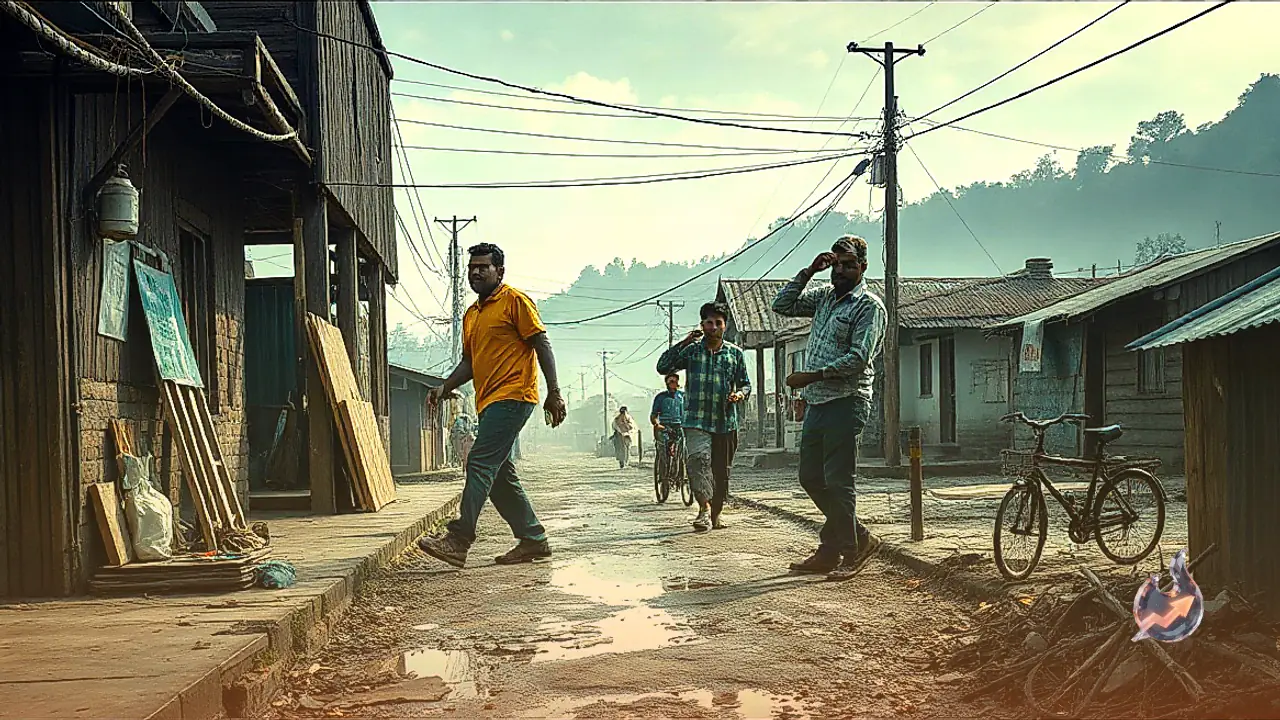






















The economic health of Khadi and Gandhi Ashram institutions across the hill and plain districts of Uttarakhand is facing severe strain. Operations in Nainital, Udham Singh Nagar, Almora, Bageshwar, Pithoragarh, and Champawat are grappling with shrinking sales, lower production output, and a severe shortage of financial resources. This ongoing crisis is directly threatening the livelihoods of spinners, weavers, and staff members who depend entirely on these centers for their daily survival.
The Haldwani Center and Shifting Market Pressures
The Regional Shri Gandhi Ashram in Haldwani has historically served as a vital hub for Khadi production and marketing throughout the Kumaon region. The organization traditionally manufactures cotton, woolen, and poly Khadi alongside various rural industry goods, supporting a substantial network of artisans. However, the heavy influx of low-priced garments, factory-made apparel, and changing consumer fashion preferences have severely dented the market demand for traditional handspun varieties.
Declining Weaver Workforce and Livelihood Losses
Reduced production levels mean that artisans are no longer guaranteed steady work throughout the year. Records from previous years indicate that the number of active weavers in the Haldwani jurisdiction dropped sharply from around 1,100 to roughly 450 over a six-year period. Compounding matters further are chronic shortages of working capital for raw materials and prolonged delays in the disbursement of government rebates. Bageshwar Gandhi Ashram Manager Kamal Baghari noted that financial constraints have deeply impacted artisan earnings. With reduced workloads and insufficient wages, approximately 800 spinners and weavers walked away from the traditional craft over a three-year span, with some even returning their spinning wheels to the ashrams.
Pending Rebates Amid Booming National Sales
Historic centers such as the Chanoda Gandhi Ashram have similarly struggled with continuous financial losses for years, frequently highlighting delays in receiving promised governmental financial support. Paradoxically, this local decline stands in sharp contrast to the broader national picture where Khadi and village industry sales have surged significantly. Official government data indicates that Khadi and village industry product sales touched a record 1.87 lakh crore rupees during the 2025-26 financial year. Yet, this massive commercial expansion across the country has failed to trickle down and benefit local institutions in Kumaon.
Pathways Toward Revival and Modernization
Industry experts and ashram administrators emphasize that rescuing these heritage institutions requires prompt government intervention, including timely clearance of rebates and subsidies, steady access to raw materials, introduction of contemporary apparel designs, digital retail expansion, and aggressive marketing. Engaging younger demographics with the fabric is viewed as essential not only to restore the financial viability of these ashrams but also to preserve the rich legacy of traditional manual employment across Kumaon.