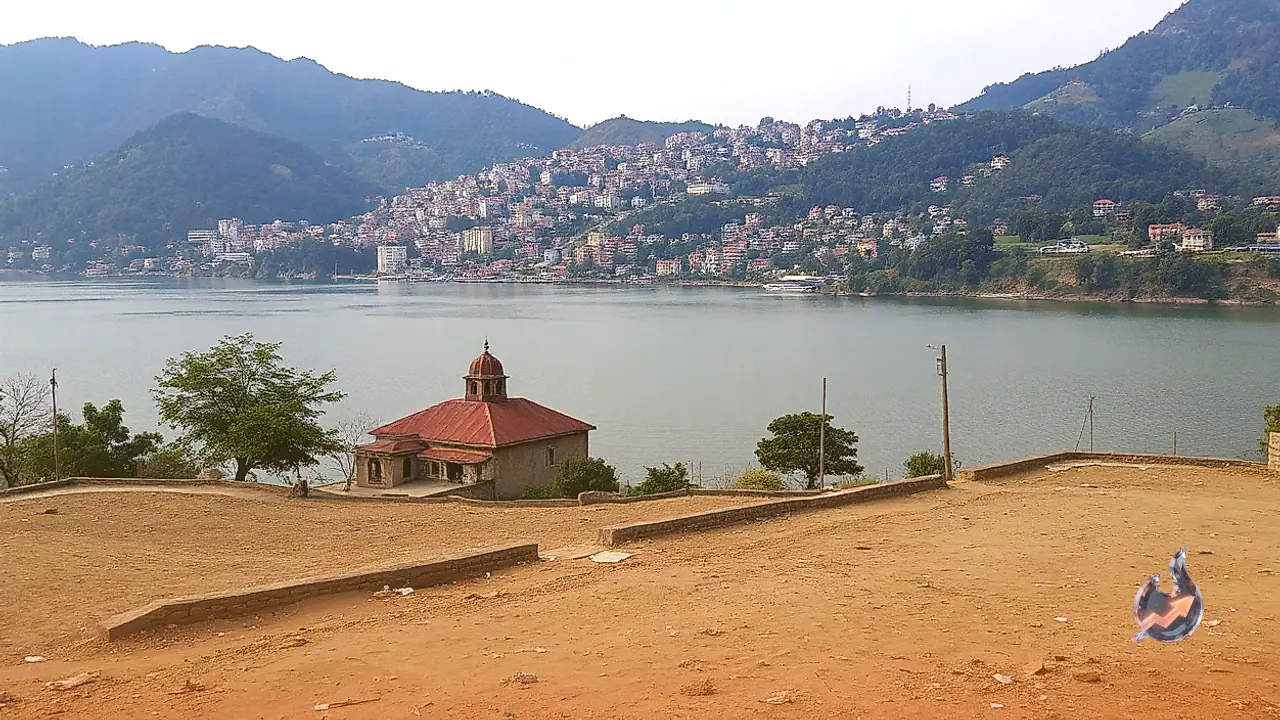

Nestled in the lap of the scenic mountains, Nainital is currently celebrating its 185th foundation anniversary. Surrounded by verdant hills and centered around a shimmering lake, this destination remains a favorite retreat for travelers from across the globe. The town still preserves its distinct colonial-era architecture and historical landmarks. Discovered and brought to global prominence by a British merchant in 1841, this hill station has witnessed a remarkable journey filled with incredible milestones and notable events over nearly two centuries.
The Discovery of Nainital and Peter Baron
Tracing the historical roots of the city leads back to the year 1841 when British merchant Peter Baron first laid eyes on this breathtaking region. Situated at an altitude of roughly 1938 meters above sea level, the mesmerizing lake so deeply enchanted Baron that he conceived the idea of establishing a permanent settlement here. While local residents were already familiar with the terrain prior to his arrival, the organized development of the area as a proper town and holiday destination only began after the British presence expanded.
The Intriguing Tale of Acquiring Land
The backstory of how Peter Baron secured land in Nainital involves a rather dramatic and compelling historical account. According to records, he initiated talks with the local thokdar Noor Singh to purchase the property surrounding the lake. Although Singh initially agreed to the proposal, he later backed out and refused to part with the land. Determined to build his preferred resort town regardless of the obstacles, Baron allegedly resorted to extreme measures to get his way.
Historical accounts note that Baron once took Singh out onto the middle of the lake in a small boat and pressured him into signing the property documents, even threatening to drown him if he refused. Frightened for his life, Singh reportedly signed the official stamp paper under duress. However, this particular incident is primarily documented through Baron's personal accounts. Following this episode, British settlers gradually established their homes, transforming the region into a thriving hill station.
The Devastating Natural Disaster of 1880
The history of the destination extends far beyond scenic views and leisure tourism, as it has also endured severe natural calamities. September 18, 1880, marks one of the darkest days in the local chronicles when a powerful earthquake shook the entire valley. The tremors triggered a massive landslide along the Sher Ka Danda hill area. This catastrophic event claimed the lives of approximately 151 people, reducing numerous buildings to rubble and debris.
The massive volume of earth and rock from the landslide slid down and filled a substantial portion of the lake. In the aftermath of this disaster, the northern edge of the basin was leveled to create the Flats ground, which now serves as a venue for various sports tournaments and public gatherings. Recognizing the vulnerability of the mountain terrain following the tragedy, the colonial administration initiated extensive measures to make the settlement secure and stable.
To prevent future landslides and manage rainwater runoff effectively, authorities constructed a network of 64 small and large drainage channels across the town. The combined length of these historic channels is estimated to be around one hundred six thousand four hundred ninety-nine feet. Local experts believe that this robust drainage network, built during the British era, has played a critical role in preserving the structural integrity of the local hills and protecting the region from subsequent disasters.
A Flourishing Hub of Education and Tourism
While the town has undergone numerous transformations over time, the surviving historical buildings continue to evoke memories of the colonial era. Old churches, the Rajbhavan, heritage schools, and Victorian-style structures remain defining features of the locality. Beyond leisure travel, the destination has established a strong reputation as a premier educational hub, drawing students from various parts of the country to its esteemed institutions.
Natural viewpoints such as Tiffin Top, China Peak, and Himalaya Darshan complement the scenic lake in attracting visitors year-round. While summer brings crowds seeking refuge from the heat, winter draws tourists eager to witness snowfall across the landscape. Across 185 years of growth, the city has cemented its legacy in tourism and academics, though modern challenges like population growth, unplanned construction, and environmental pressures demand renewed preservation efforts to protect its natural heritage for future generations.