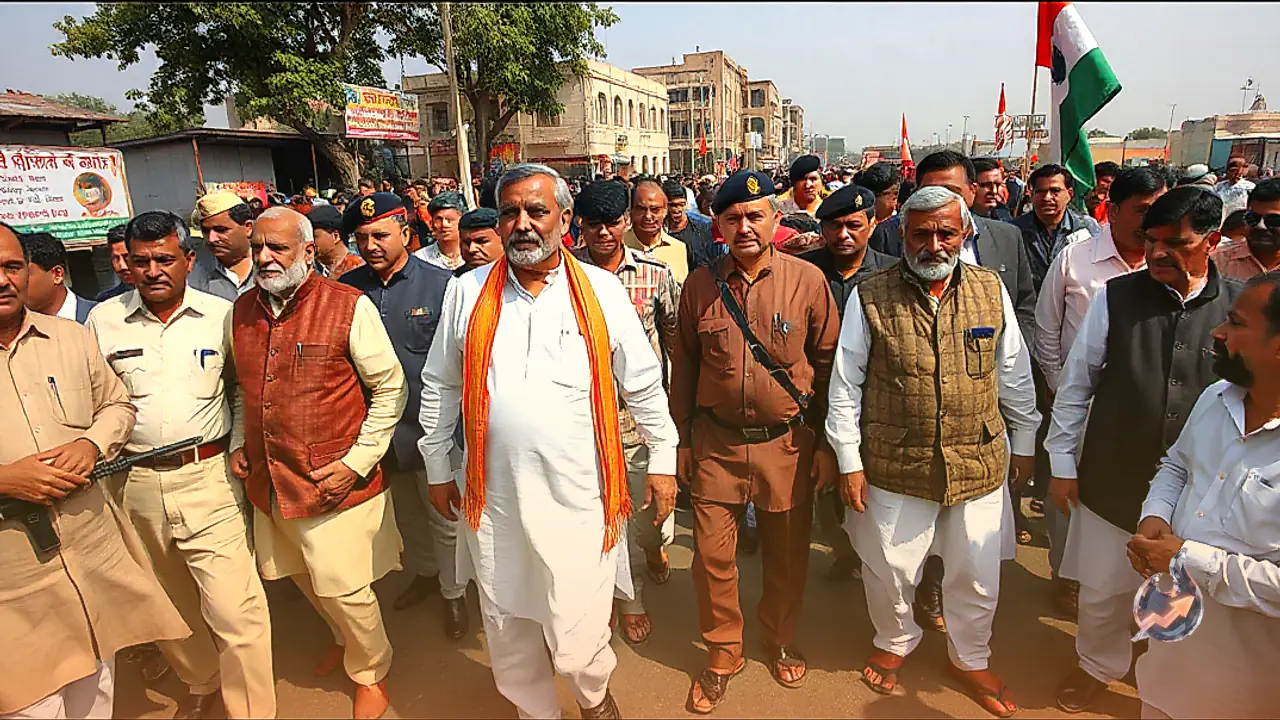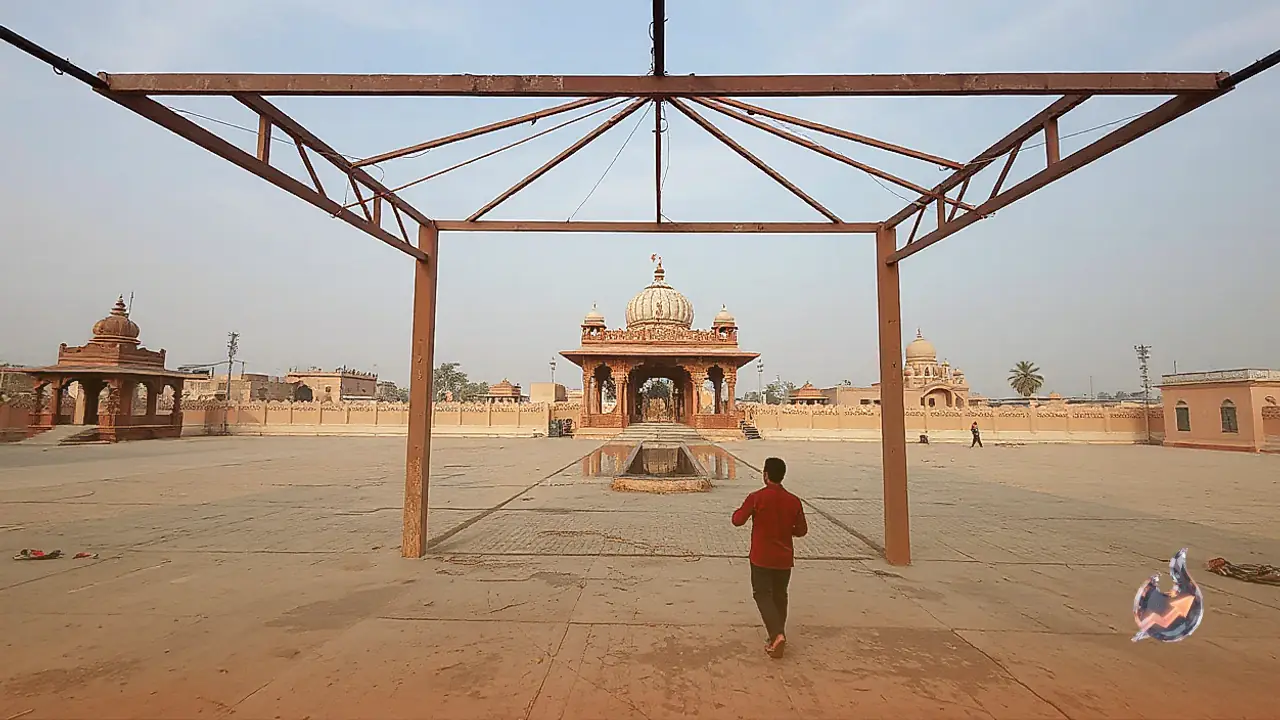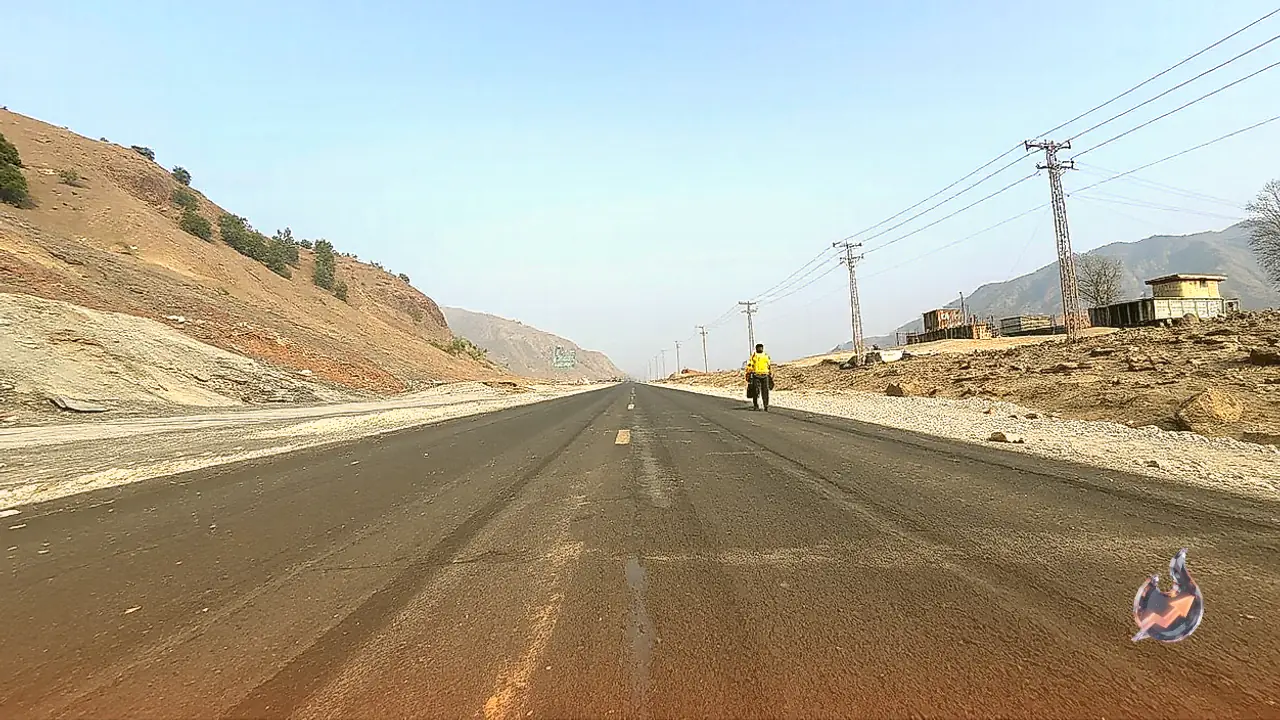



















With an ever-increasing influx of devotees heading toward the renowned religious site of Kainchi Dham in Uttarakhand, local road infrastructure has been facing severe vehicular pressure. On weekends, festive occasions, and general holidays, lengthy traffic queues frequently paralyze the stretch leading to the shrine. This recurring gridlock inconveniences not only arriving pilgrims but also residents commuting through the mountainous corridor. To resolve these logistical bottlenecks through technological intervention, Nainital police are turning to modern vehicle detection sensors to gather actionable movement data and execute pre-emptive traffic diversions.
IIT Roorkee Sensors to Enable Continuous Vehicle Tracking
In a technical collaboration, district law enforcement has partnered with the Indian Institute of Technology Roorkee to design an intelligent tracking mechanism. Under this initiative, four dedicated sensors will be mounted at four strategic locations situated at measured distances from the temple complex. These tracking devices are being supplied to the district police force directly by the premier institute.
Once operational, the sensors will track the total count and continuous speed of vehicles progressing toward Kainchi Dham. By collecting this information automatically, field commanders will know precisely how many automobiles are entering the road per hour and which narrow intersections or bends are beginning to experience traffic accumulation beyond optimal road capacity.
Real-Time Traffic Analysis to Direct Pre-Emptive Route Diversions
Historically, traffic police have had to react only after gridlock has already formed across the narrow hill tracks, making diversions slow and stressful for commuters. The integration of continuous sensor telemetry changes this reactive posture into a predictive one. Traffic planners will receive up-to-the-minute metrics regarding traffic volume, allowing them to evaluate escalating congestion well before standstill jams develop.
For instance, when sensor data indicates that an unusually high influx of vehicles is making its way toward the shrine within a short time window, traffic controllers can enact diversions and holding strategies at advance points down the highway. This advance routing will prevent sudden bumper-to-bumper blockages and keep emergency corridors open.
This smart flow monitoring is particularly crucial during weekends and holiday breaks, when visitor density spikes dramatically. During peak periods, spillover congestion routinely spreads toward adjoining transit nodes such as Bhowali, Khairna, and Garampani. Real-time telemetry will ensure that vehicular movement through these critical feeder points remains orderly and uniformly distributed.
Integrated Control Room to Oversee Travel from Haldwani to Mountain Belts
Inspector General of Police for Kumaon, Nivedita Kukreti, highlighted that overcrowding around the shrine inevitably spills over into the transit systems of Nainital town itself. To create an overarching monitoring hub, authorities are setting up a specialized traffic control room in Nainital. The initial technical survey for this control facility is complete, and the formal tendering process is currently under way.
Once established, the centralized control room will supervise traffic management across the entire arterial corridor running from the foothills in Haldwani straight up to the higher reaches of the district. Operators will track field conditions across various segments simultaneously and deploy on-ground reinforcements or routing adjustments dynamically. Because surge traffic around the shrine regularly strains the internal roads of Nainital town, the proposed command center will act as a unified nerve center for broader district-wide vehicular discipline.
Official Registration Proposal Submitted to Regulate Pilgrim Numbers
Alongside mechanical sensor monitoring on the roads, administrative efforts are moving forward to introduce structured visitor management at the destination itself. Police authorities have drafted a formal proposal to mandate prior registration for devotees visiting Kainchi Dham, which has now been forwarded to the state government for review and sanction.
If approved, this advance registration system will allow authorities to forecast daily footfall numbers and distribute arrivals systematically across specified daily slots. This mechanism is expected to prevent unmanageable crowd surges during major religious gatherings and peak pilgrimage dates.
Kainchi Dham continues to attract pilgrims from across India and around the globe seeking the blessings of Baba Neem Karoli. As annual visitor numbers rise, local infrastructure has come under immense pressure concerning parking availability, crowd flow, and highway safety. The synchronized implementation of four IIT-designed sensors, real-time highway monitoring, the Nainital central control room, and the proposed visitor registration system is expected to deliver sustained structural relief to this delicate Himalayan corridor.