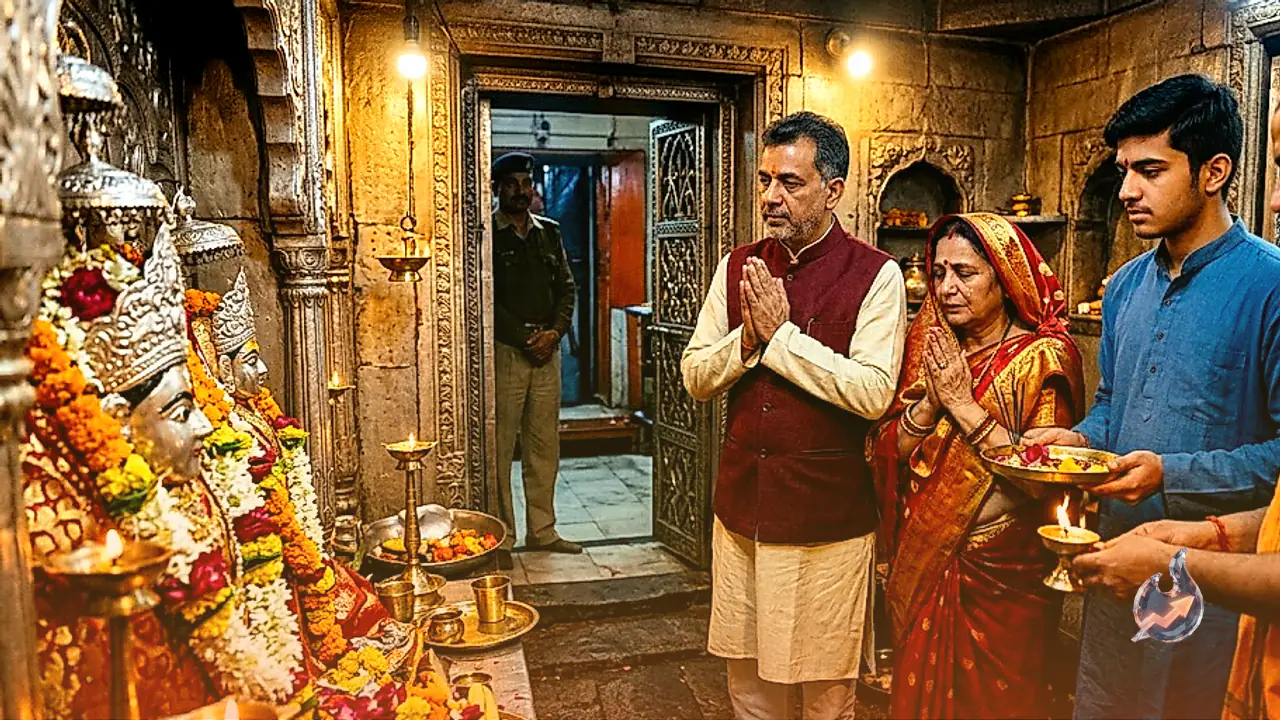



















The historic Shri Nanda Devi Mahotsav in the picturesque lake city of Nainital, Uttarakhand, has completed an impressive 124 years of its traditional celebrations, drawing thousands of devotees and tourists. This iconic festival, deeply rooted in the locals' absolute devotion to Goddesses Nanda and Sunanda, has undergone a monumental transformation over more than a century. While the overall aesthetics, the structural design of the market stalls, the shopping items, and the entertainment sources have evolved with time, the core spiritual and cultural essence of the fair remains beautifully preserved.
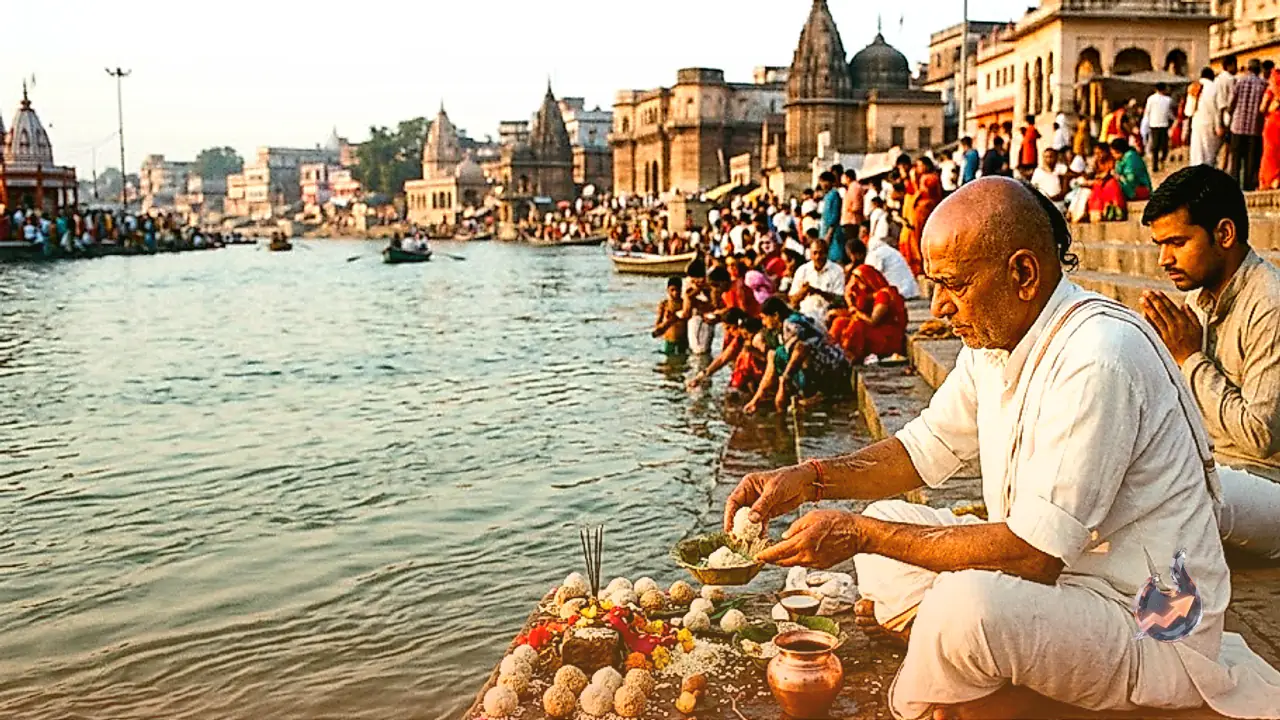
According to the office bearers of the Shri Ram Sevak Sabha, the early iterations of this historic festival featured sacred idols of Maa Nanda-Sunanda crafted out of pure silver. As the decades progressed, the tradition naturally adapted to incorporate the region's rich natural resources. This led to the practice of crafting the divine idols from the trunks of banana trees and other organic forest elements. To this day, the religious rituals, the rigorous selection of the sacred banana trees, and the traditional artisan methods of idol sculpting continue to hold supreme importance in the annual celebrations.
The Structural Transformation of the Festival Market
The fair’s allure has never been restricted purely to religious ceremonies. Historically, it served as the most vital annual shopping hub for the remote mountain communities of Uttarakhand. Families from far and wide would eagerly wait for the festival all year round to purchase essential household goods. In the earlier decades, the market was dominated by iron tubs, large heavy-bottomed cooking cauldrons, metal kitchenware, agricultural tools, and miscellaneous domestic hardware. For the local population, the event was a rare double opportunity to stock up on survival essentials for the harsh mountain winters while enjoying the festive entertainment.
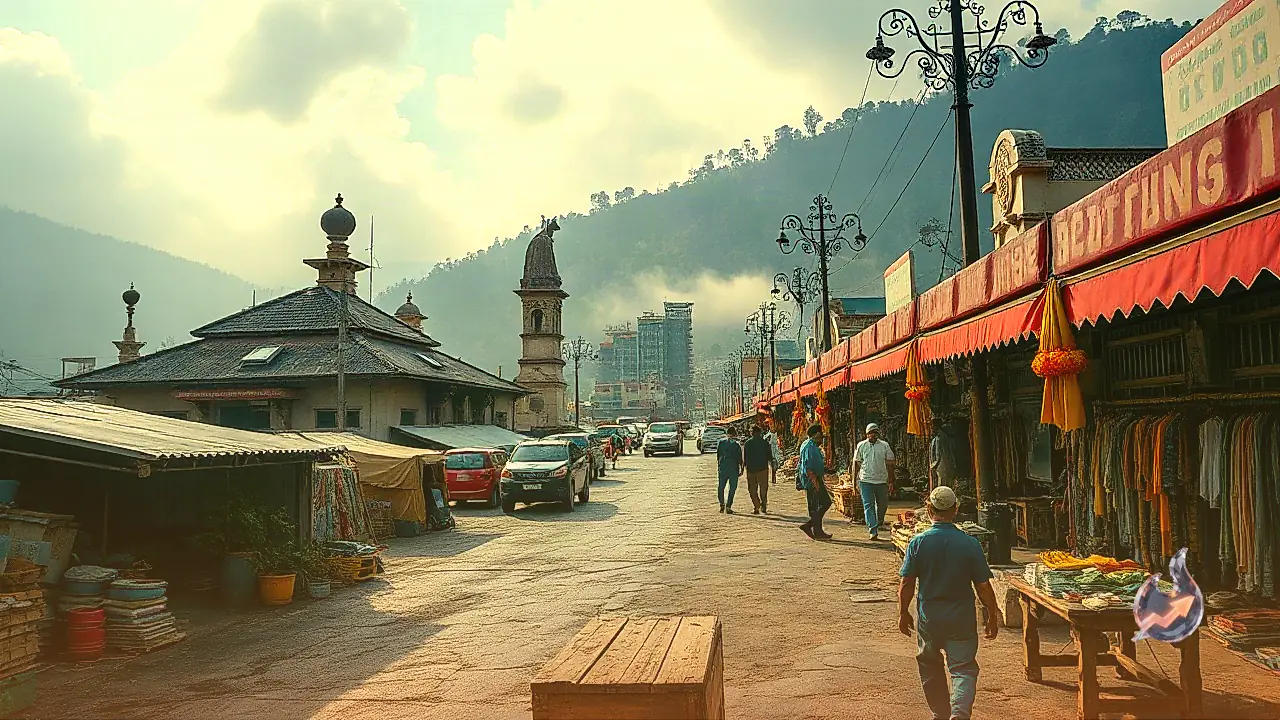
Mukesh Joshi, also affectionately known as Mantu, a senior official with the Shri Ram Sevak Sabha, has witnessed the evolution of the Nanda Devi fair first-hand for nearly five decades. Recalling his early childhood memories, he points out that the initial setups were incredibly modest. The marketplace was once defined by a handful of temporary shops constructed out of basic bamboo poles, thin plastic sheets, and tarpaulin covers. Eventually, the fair entered a long, defining era where these fragile structures were upgraded to sturdier corrugated tin shops, which remained a staple of the festival's landscape for several decades.
From Tin Sheds to Canopies and German Hangers
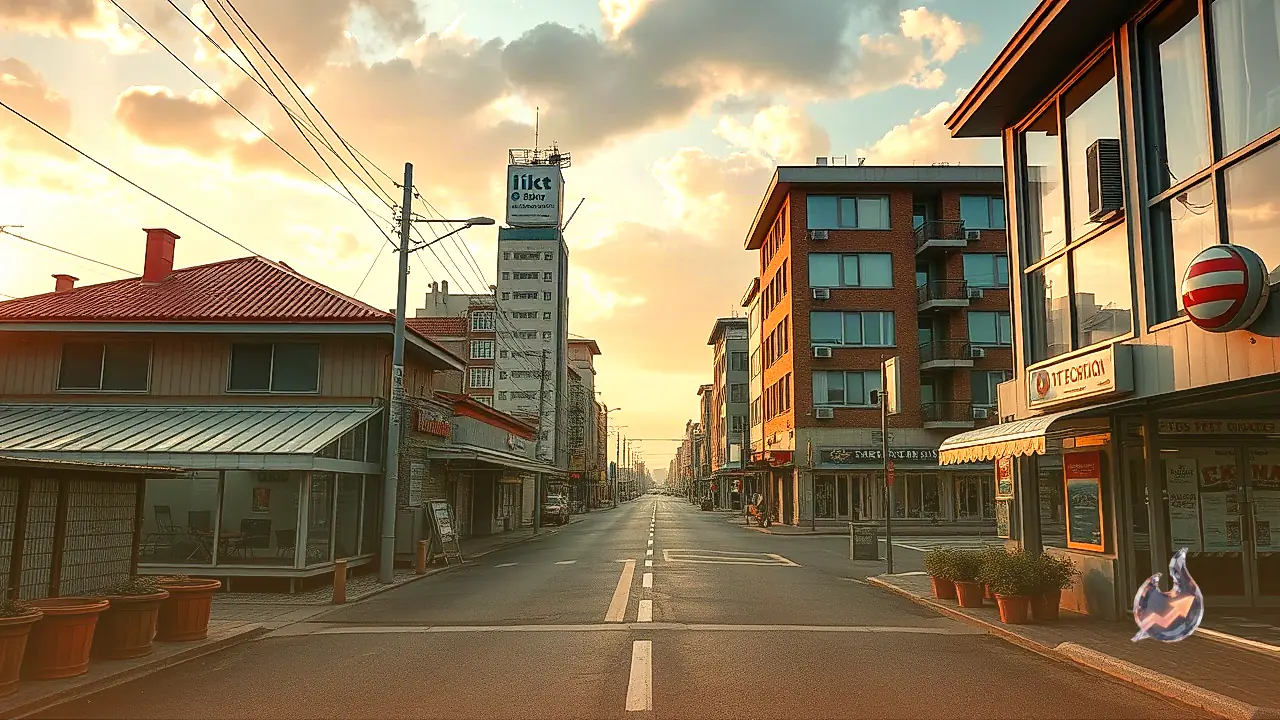
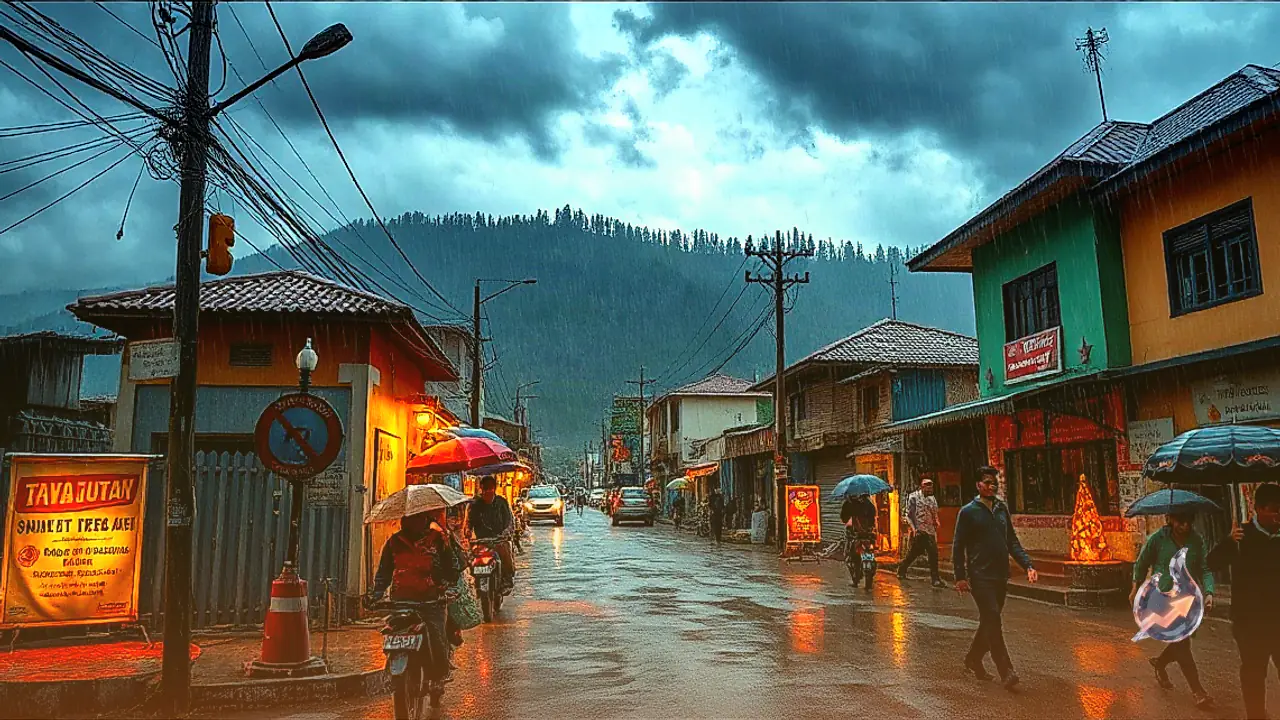
The transition of the market stalls highlights the modernization of the entire event. For a long time, the familiar row of tin shops was the signature look of the festival. However, a major modernization drive was initiated recently under the leadership of the then District Magistrate Vandana Singh. Her administration spearheaded a clean, organized redesign of the festival ground, replacing the traditional rustic tin structures with modern, well-ventilated canopies and large German hangers. This change did not just offer a dramatic aesthetic upgrade to the entire venue, but it also resolved major safety concerns and provided better protection for traders against the unpredictable Himalayan weather.
Today, the modernized market space welcomes an incredibly diverse array of businesses. Merchants travel from various corners of India to set up their stalls in Nainital, making the fair much more national in scope. The modern catalog of goods has expanded well beyond basic iron tools. Visitors can now browse through a vast selection of contemporary clothing, exquisite home decor items, diverse toys, multi-cuisine food stalls, and high-tech amusement rides, completely redefining the shopping experience.
Fostering Cultural Heritage Through Classroom Education
The festival's deep integration into the local lifestyle is also reflected in the memories of the town's older generation. Mukesh Joshi fondly remembers how local schools played a vital role in keeping the cultural spark alive among young students. During his school days, teachers would regularly assign essays focused entirely on the Nanda Devi Mahotsav. Students were required to write detailed descriptions of the entire process, starting from the ceremonial journey to fetch the sacred banana trees, the intricate steps of idol sculpting, to the grand community rituals. These academic exercises succeeded in generating immense curiosity and a lifelong respect for local heritage among the youth.
Evolving Consumer Choices Over the Decades
Dr. Lalit Tiwari, another prominent official of the Shri Ram Sevak Sabha, notes that while the cultural and religious roots of the 124-year-old festival remain deep, its commercial dynamics have undergone a radical shift. Highlighting an interesting historical marker, Dr. Tiwari explains that about 15 years ago, there was a massive consumer demand for heavy iron platters (locally known as parat) during the fair. This specific demand serves as a fascinating example of how local necessities and consumer preferences have shifted over the years.
While the demand for traditional iron kitchenware has decreased in favor of modern home goods, the overall grandeur of the festival has reached new heights. Today’s Nanda Devi Mahotsav is a perfect confluence of ancient faith and modern festival culture. The presence of massive amusement rides, a vast array of global cuisines, national-level traders, and vibrant shopping alleys showcases a beautiful, living reflection of Nainital's evolving socio-cultural landscape.