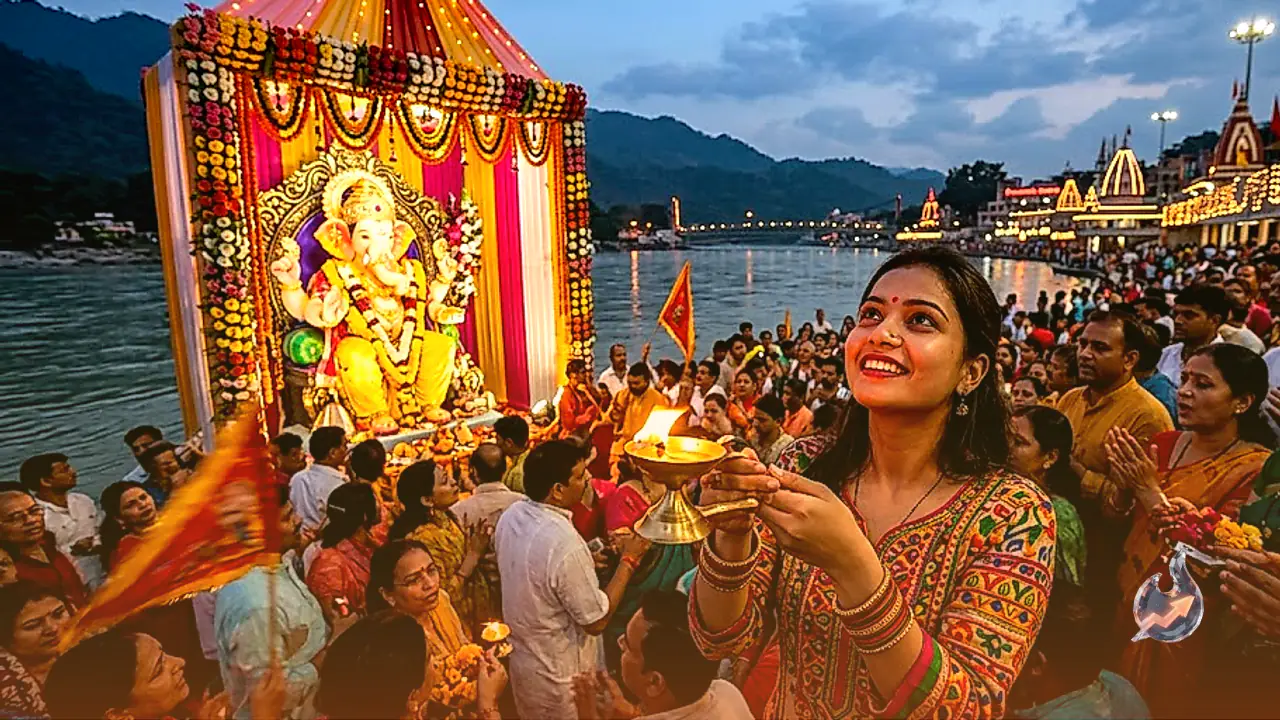





















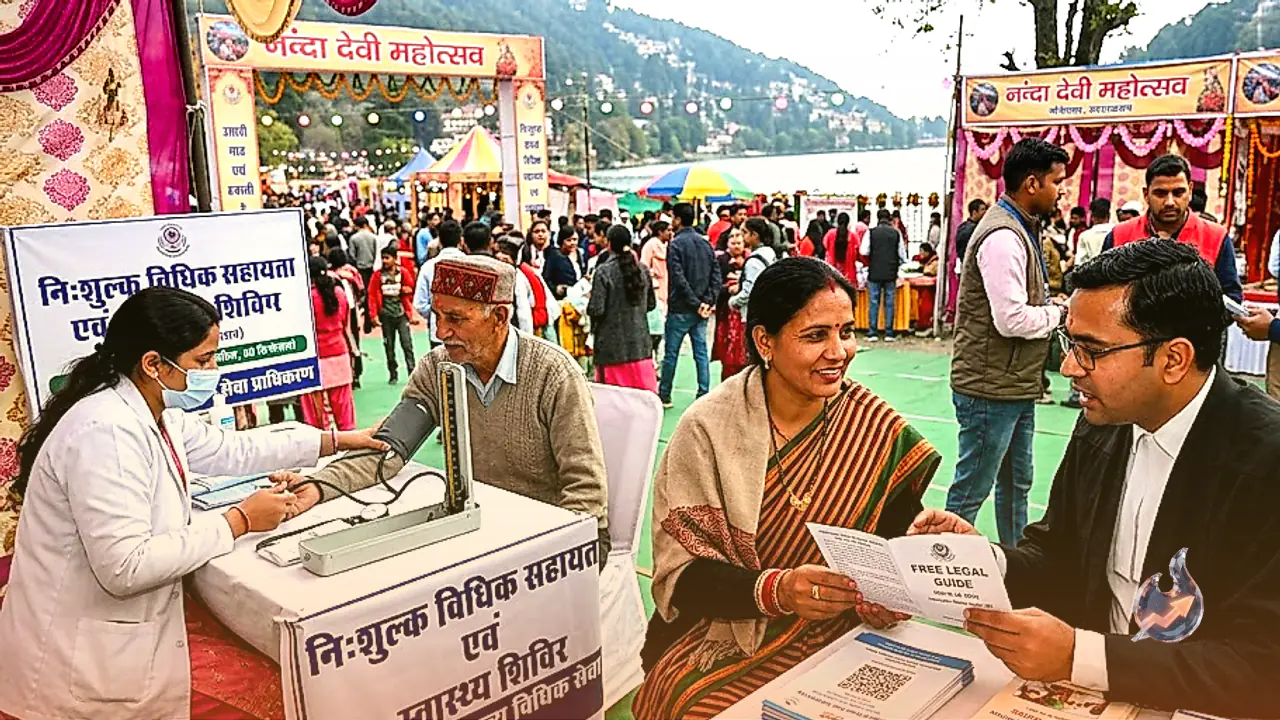

The traditional festivities of the historic Maa Nanda Devi Festival in Nainital, Uttarakhand, held annually to mark Nandashtami, have embraced a meaningful public service mission alongside religious devotion and cultural entertainment. Amid the festive bustle and influx of pilgrims, a dedicated legal awareness pavilion has been set up to educate citizens about their statutory rights. Visitors, tourists, and local residents are receiving complimentary legal counseling, simplified informational booklets, and guidance on navigating institutional justice mechanisms without spending a single rupee.
Demystifying Legal Rights into Simple, Accessible Guidance
Every year, thousands of devotees and travelers from across mountain hamlets and neighboring states travel to Nainital for the celebrations. In the midst of this diverse gathering, the legal awareness stall is serving as an invaluable community resource. Legal specialists and trained para-legal volunteers stationed at the venue are engaging directly with visitors, breaking down intricate procedural laws into straightforward, everyday language that requires no prior background in legal affairs.
The initiative places prominent focus on key areas such as the legal protections available to women, mechanisms for settling domestic disputes, child welfare and child protection regulations, entitlements designed for senior citizens, and provisions for securing institutional legal aid without cost. The core objective is to ensure that vulnerable citizens recognize their legal protections and feel confident in asserting them.
Institutional Commitment and Free Legal Representation
Harsh Yadav, Officer on Special Duty with the District Legal Services Authority in Uttarakhand, explained that outreach drives of this nature are systematically organized through coordinated efforts between the Uttarakhand State Legal Services Authority and the District Legal Services Authority. Every year on Nandashtami, as Nainital hosts the grand fair dedicated to Maa Nanda Devi, both statutory bodies join hands to establish this informative pavilion.
Harsh Yadav noted that individuals frequently suffer legal hardship or endure exploitation simply because they lack timely information about statutory remedies and basic procedural rights. Bringing plain-language explanations directly to public festivals removes the intimidation often linked with formal court environments. He emphasized that for those confronting intricate disputes requiring continued representation, the authorities arrange free panel advocates. This institutional safeguard guarantees that financial distress never becomes an obstacle preventing an individual from securing justice before the courts.
Large-Scale Book Distribution Alongside Modern QR Downloads
The awareness counter offers an extensive selection of literature explaining fundamental rights, statutory safeguards, and legal steps in lucid prose. To reach the widest possible audience, organizers have set a target to distribute around 7,000 to 8,000 free legal publications during the festival. Visitors can pick up titles addressing their specific inquiries and study them at their own pace.
Recognizing the prevalence of mobile technology, the drive has incorporated digital access alongside physical pamphlets. Distinct QR codes are displayed prominently outside the stall, enabling attendees to scan the codes using their smartphones and download comprehensive digital copies of the legal manuals directly to their devices. This modern addition allows festival-goers to carry the literature effortlessly in their pockets, read the material after returning home, and transmit vital legal knowledge across their family and community networks.
Complementary Free Medical Camp for Fair Visitors
Beyond legal literacy, the initiative is also addressing immediate physical wellness by running a complimentary healthcare camp inside the festival grounds. Medical teams from multiple hospitals have been deployed to administer routine health screenings, examine patients, and offer medical advice to passing devotees and townspeople alike.
By integrating civic rights education, pro bono attorney access, digital knowledge distribution, and preventive medical evaluations into a cherished cultural gathering, the authorities have demonstrated how traditional celebrations can serve as effective platforms for community welfare and citizen empowerment.