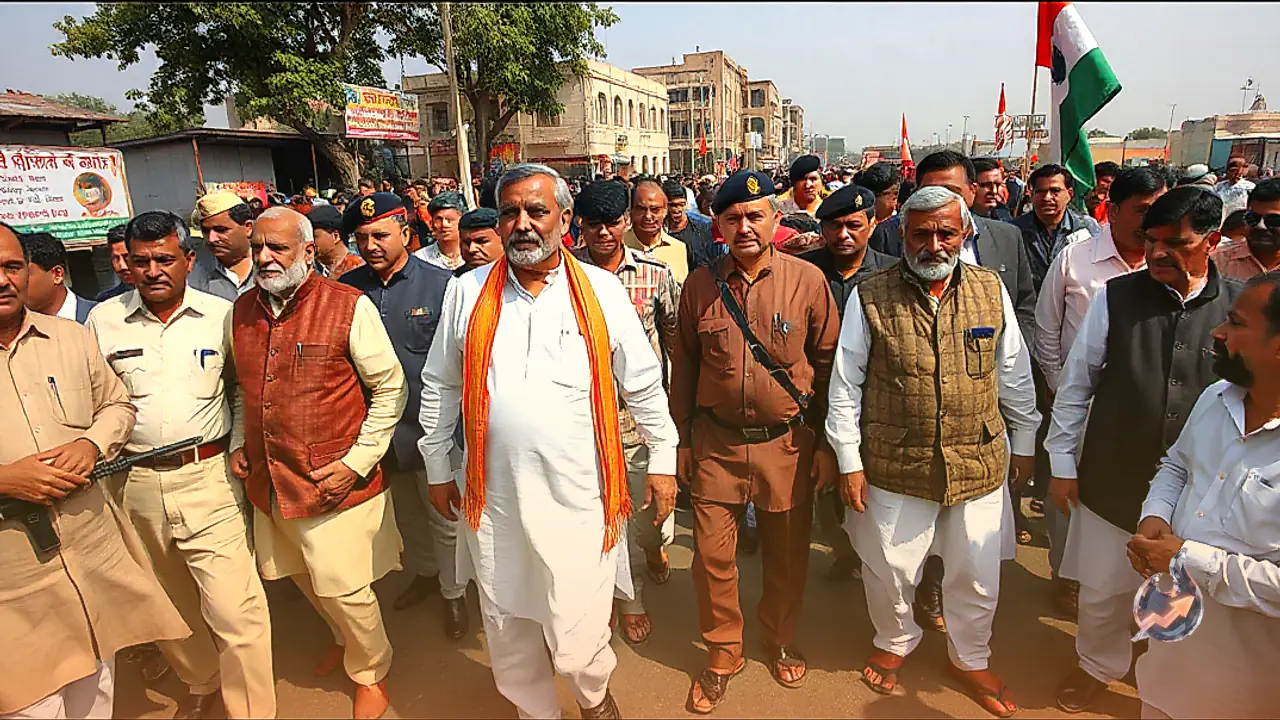




















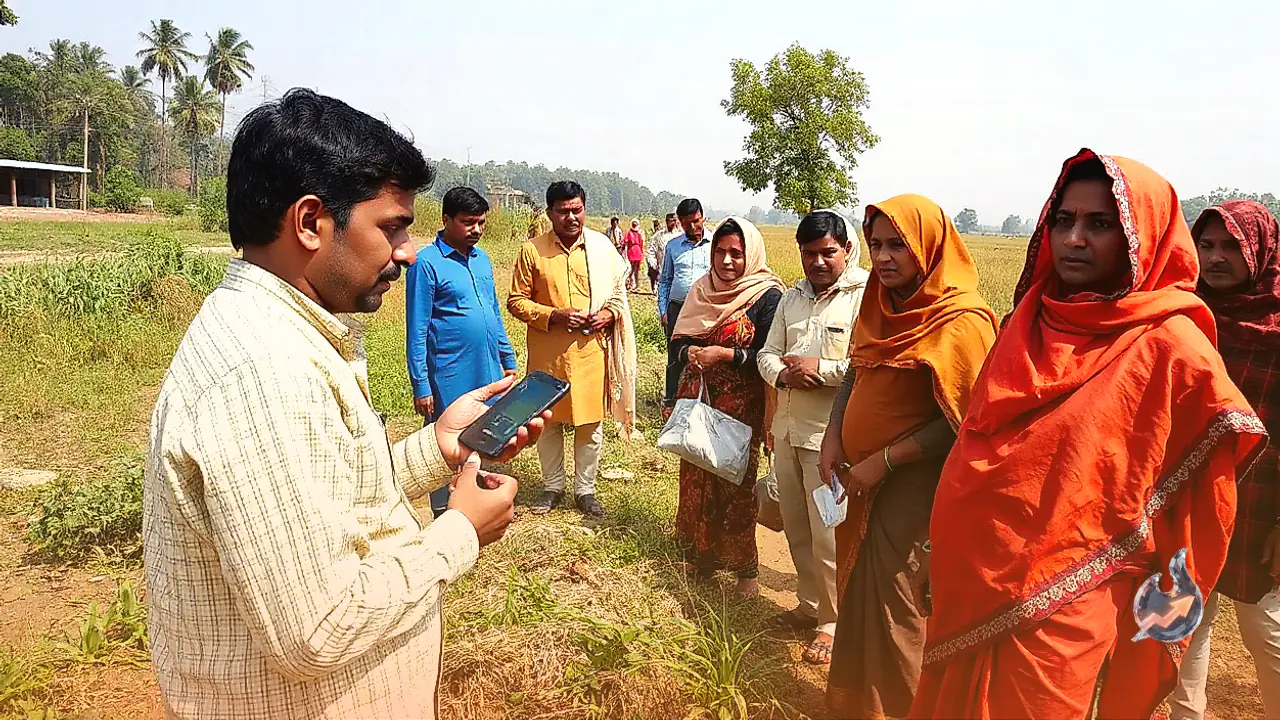

In a major administrative push toward agricultural digitization, authorities in the Nainital district of Uttarakhand have initiated a district-wide campaign to issue digital farmer IDs to cultivators under the central government's AgriStack initiative. The project aims to consolidate land records, crop data, and individual farmer profiles into an integrated digital repository. By creating verifiable digital records, the administration seeks to streamline the distribution of public welfare benefits, simplify applicant verification, and ensure transparent governance in rural areas.
Panchayat-Wise Rosters and Departmental Coordination
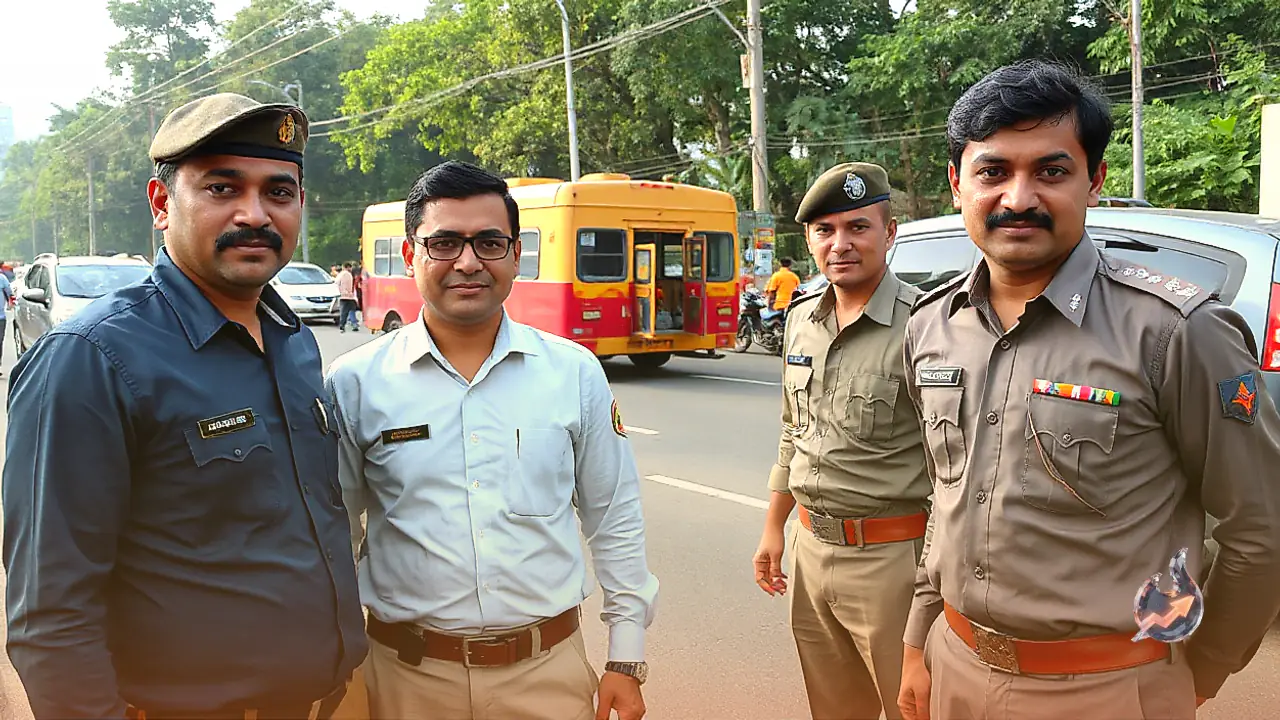
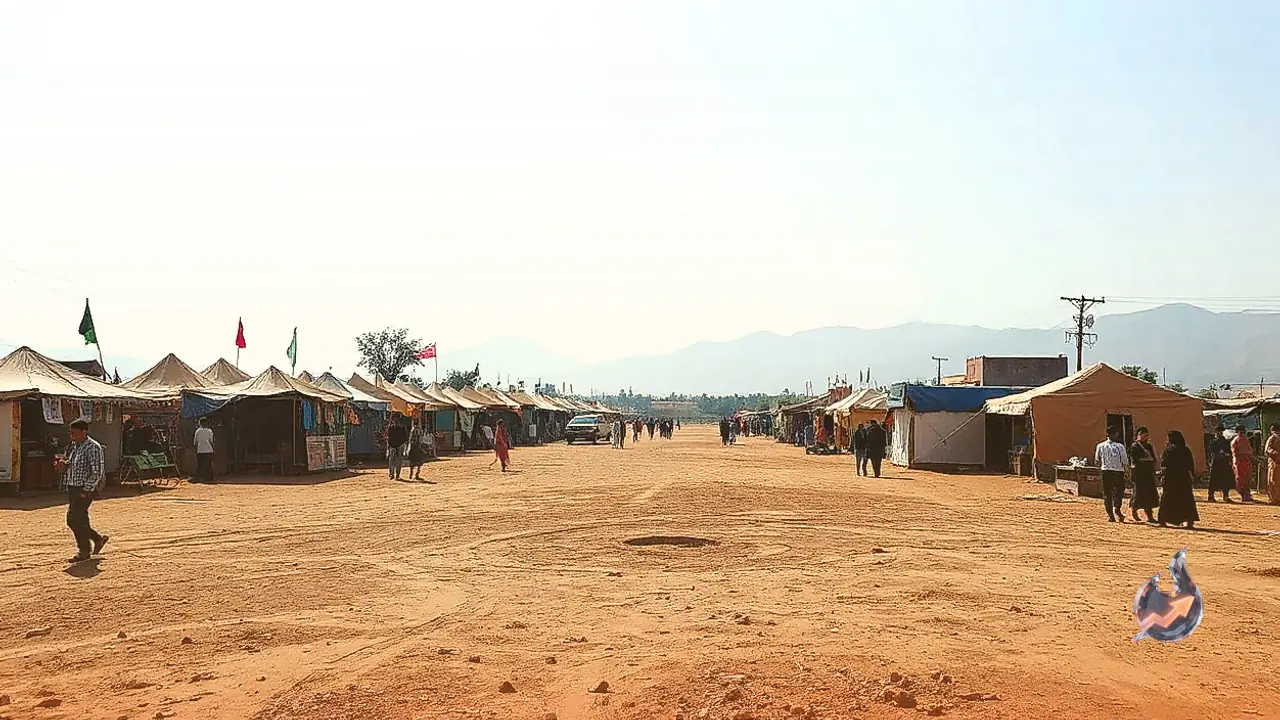
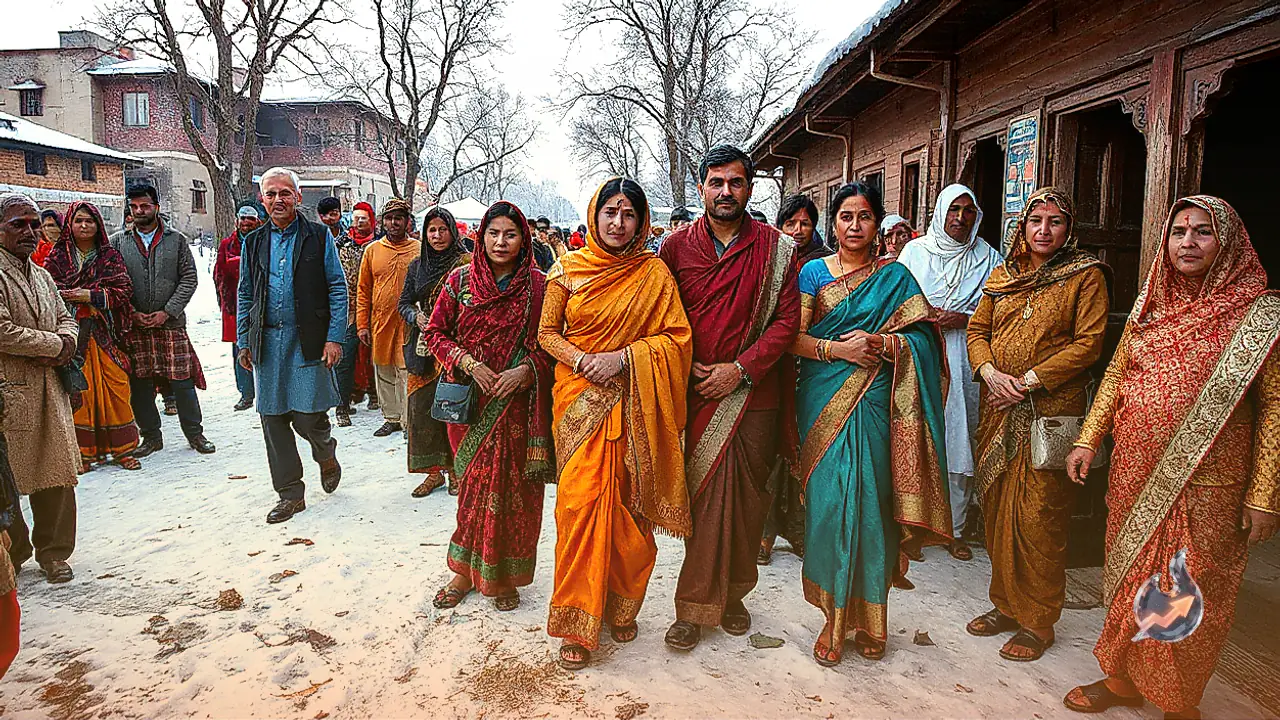
To eliminate logistical hurdles for villagers living in hilly and remote tracts, the district administration has formulated a structured roster to organize registration camps at the Nyaya Panchayat level. Field teams comprising personnel from the Agriculture, Horticulture, and Cooperative departments have been tasked with overseeing the camp operations. In parallel, village-level Common Service Centres have been authorized to handle registrations, giving cultivators an alternative local point of access.
District officials have advised farmers to confirm the exact camp schedule, venue, and dates with their respective local administrative units or village panchayat offices beforehand. Pre-planning will prevent overcrowding at field locations and guarantee a smoother document verification flow for participating residents.
Mandatory Records Required for the Digital Registry
The enrollment workflow under the farmer registry involves recording verified identity proofs alongside landholding records. Cultivators must bring their Aadhaar cards along with validated land title documentation to the camp venues. Authorized departmental operators will cross-reference the paper records against institutional land records before logging the verified data onto the centralized portal. Clear instructions have been circulated among field officers to ensure that every eligible landholder across the district gets accurately registered.
Impact on Benefit Disbursement and Welfare Schemes
The primary advantage of a standardized digital farmer ID is the accelerated verification of eligibility across an array of welfare interventions. Nainital District Magistrate Lalit Mohan Rayal explained that this structured digital ledger will play a decisive role in disaster relief distributions, subsidized fertilizers, agricultural inputs, farmer pension programs, and other state-sponsored agricultural schemes.
The administration has, however, emphasized an important distinction regarding entitlements: obtaining a farmer ID functions primarily as a digital identity and does not confer automatic financial benefits. Every agricultural scheme maintains independent statutory guidelines, thresholds, and operational rules that applicants must satisfy individually. The registry merely simplifies the identification and bureaucratic clearance hurdles when applying for them.
Administrative Advisory to Local Farming Communities
District Magistrate Lalit Mohan Rayal has called upon local agricultural communities to cooperate closely with visiting field teams and furnish correct documentation. Inaccurate or incomplete land details during the registration phase could lead to discrepancies in the official registry, potentially complicating access to future welfare support. The district administration aims to cover all genuine cultivators across Nainital through these decentralized camps, bringing modern digital efficiency to the region's agricultural sector.