
















In Hindu religious traditions, Pitru Paksha is regarded not merely as a formal ritual for offering water and prayers, but as a sacred observance dedicated to expressing profound gratitude, reverence, and filial duty toward departed ancestors. Spanning the period from Bhadrapada Purnima to Ashwin Amavasya, these fifteen days see households reverently remembering and bowing before the photographs of departed parents, grandparents, and forebears. Scriptural guidelines establish strict protocols for conducting Shradh, Tarpan, and Pind Daan, extending detailed reverence to the designated space and photographs of ancestors kept within the home.
How Inadvertent Neglect Nullifies Ritual Merits
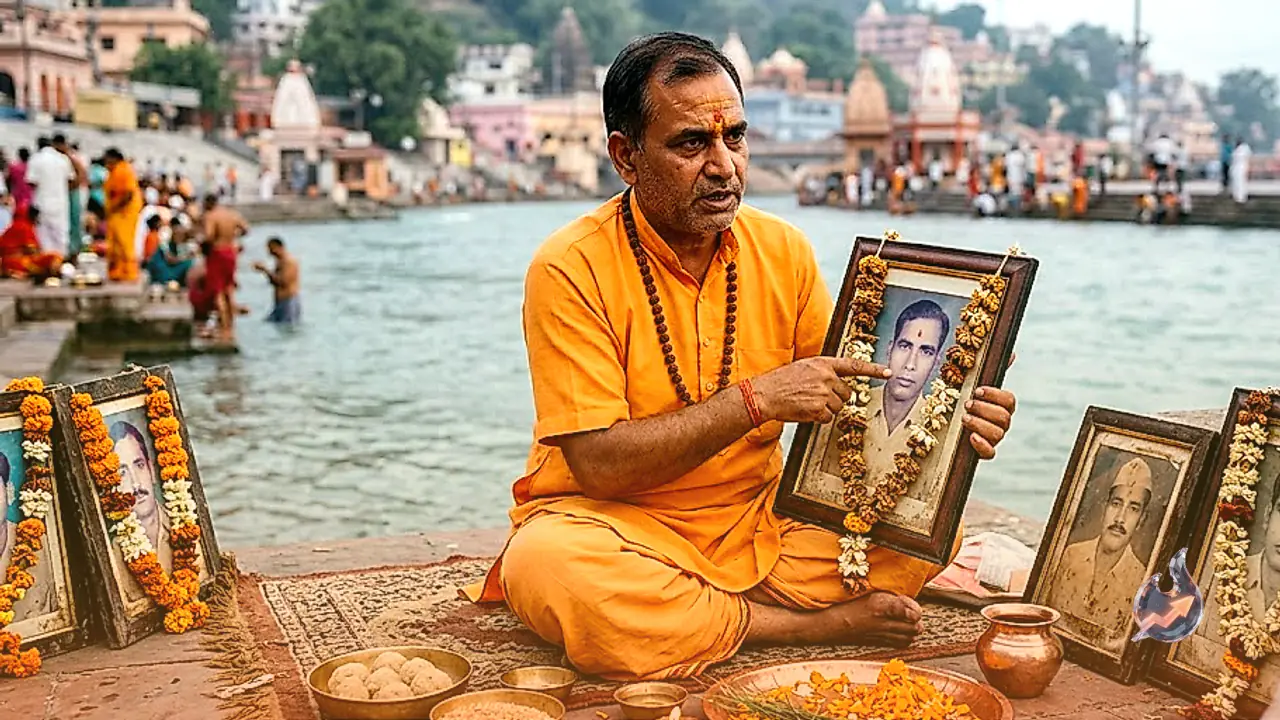
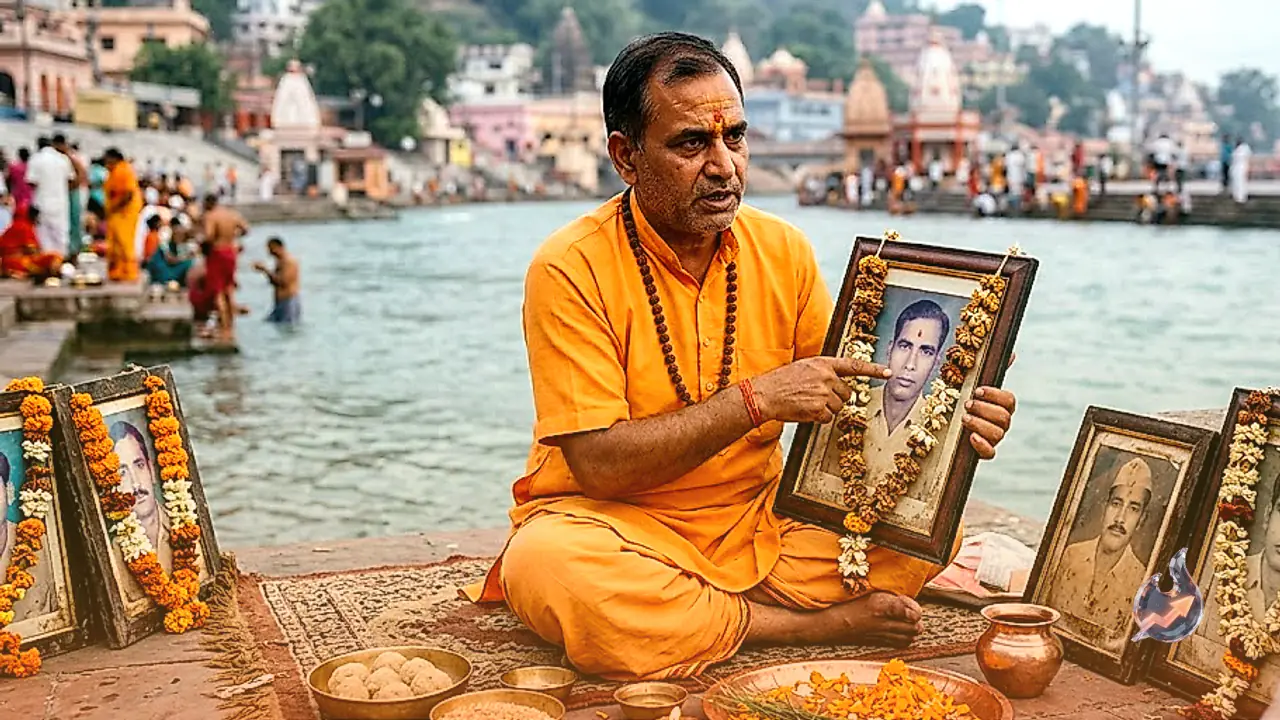
According to scriptural principles, even a minor mistake committed out of ignorance can completely destroy the spiritual fruits of the entire Shradh ceremony. A frequent area of oversight involves neglecting worn garlands and previously used offerings placed on the portraits of departed ancestors, which can directly invite Pitru Dosha. Pandit Manoj Mishra from Haridwar has explained that garlands that have remained on ancestral frames across the year, along with old worship items kept at their sacred spot, must mandatorily be cleared away before the onset of the subsequent year's Pitru Paksha. Allowing such items to linger unattended is considered a direct violation of sacred norms.
Correct Scriptural Disposal for Removed Garlands
Pandit Manoj Mishra emphasized that the protocol for disposing of removed garlands must be observed with equal sanctity. Under no circumstances should garlands taken down from ancestor portraits be discarded into garbage bins or tossed outside the house, as doing so constitutes a severe dishonor to the departed. Traditional scriptures mandate that whether the garland adorning the photograph is made of real flowers or plastic, it must strictly be immersed in the Ganges or any other sacred river, canal, or stream of clean flowing water. Immersing them in flowing waters preserves the dignity of the ancestors and maintains spiritual purity.
Unremoved Garlands Void the Blessings of Pind Daan
Pandit Manoj Mishra warned that if someone disrespects the old garland adorning an ancestor's image, or leaves it hanging on the portrait right up to the following year's Pitru Paksha, the religious efficacy of their Shradh, Pind Daan, and Tarpan is completely invalidated, regardless of the devotion involved. Instead of bestowing peace and blessings, ancestors become dissatisfied, which can result in lingering household strife, persistent financial distress, disruptions in auspicious ceremonies, and obstacles in family lineage growth.
Bestowing New Offerings Ensures Generational Blessings
Elaborating on the proper religious practice, Pandit Manoj Mishra advised that devotees should present a fresh garland upon ancestral portraits during the days of Pitru Paksha. Simultaneously, the older garland must be consigned with reverence into the holy waters of the Ganges or another clean, moving water body. Diligently following these scriptural guidelines pleases the departed ancestors, securing their complete grace, peace, and auspicious blessings for the entire family.