

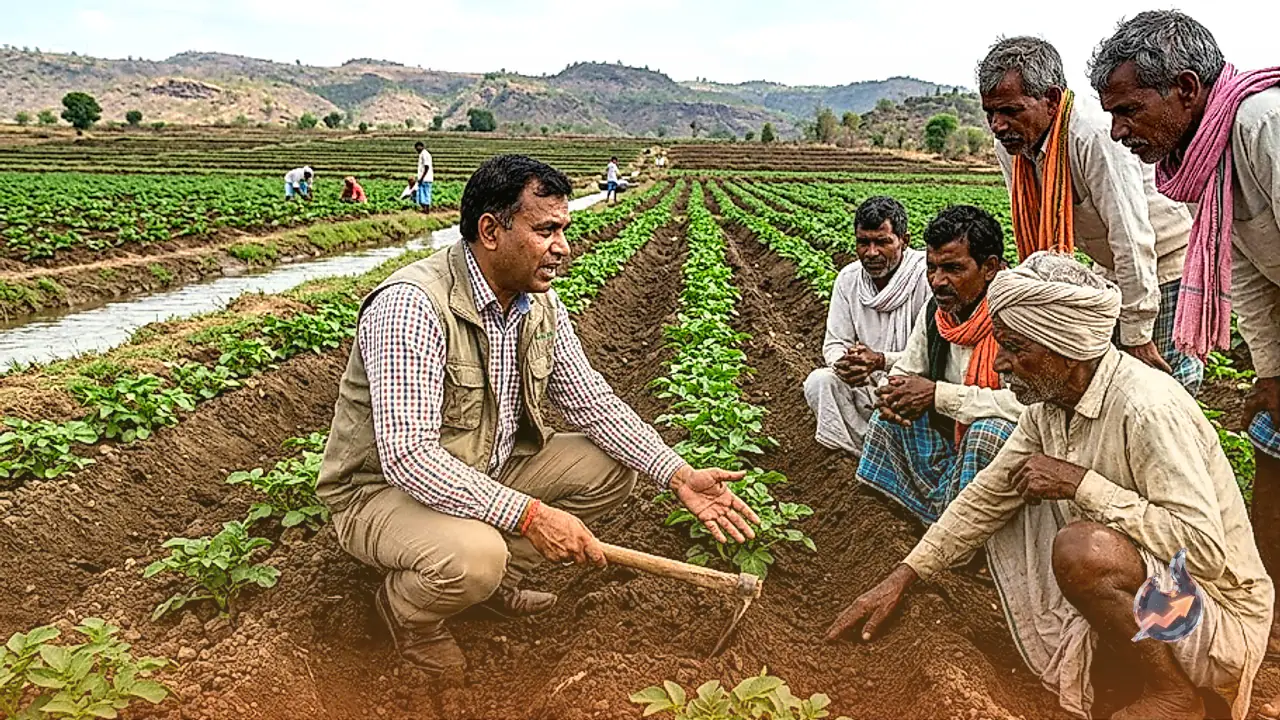

















Modern agricultural practices are creating lucrative revenue streams for growers across Bastar, Chhattisgarh. Purushottam Patel, a farmer from Kochalpur village, has turned to mulching sheets to cultivate the Supreme Heart chilli variety. The protective ground cover significantly limits disease incidence, leading to cleaner harvests and stronger financial returns. Having cultivated this crop for more than a year, he notes that Bastar's local climate offers ideal conditions for chilli farming while keeping production expenses remarkably modest.
Land Preparation and Precise Bed Spacing
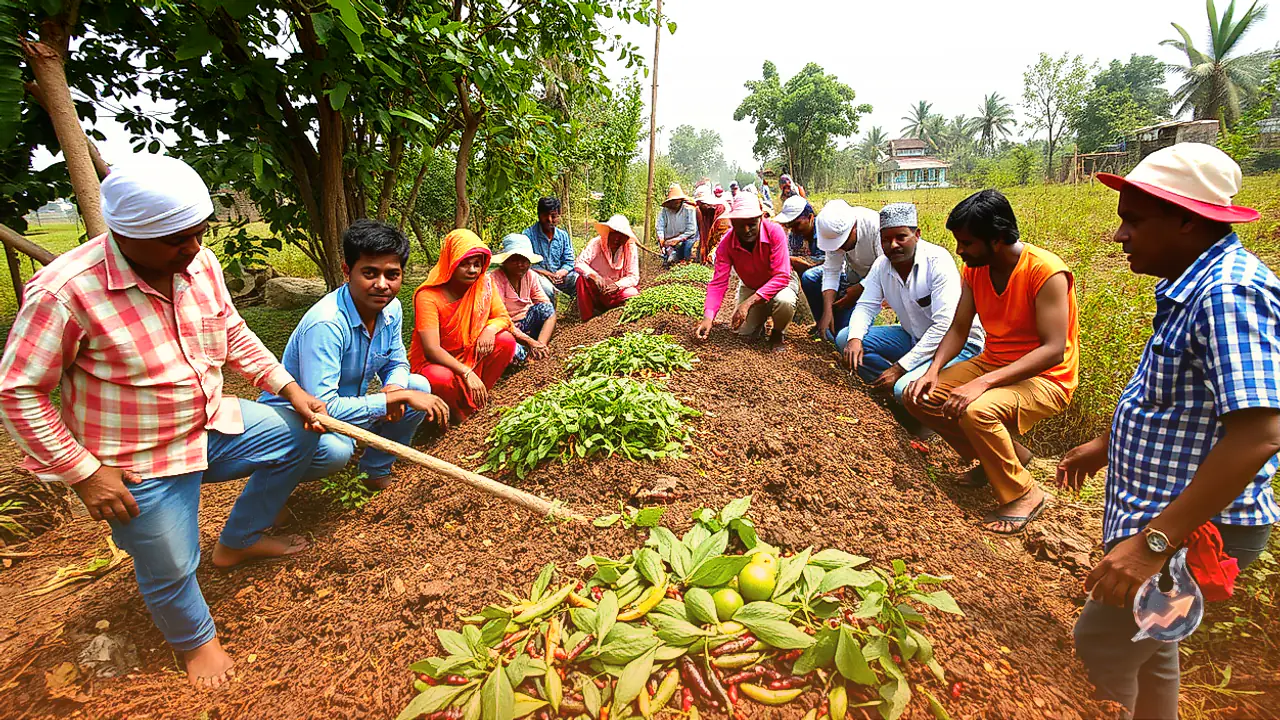
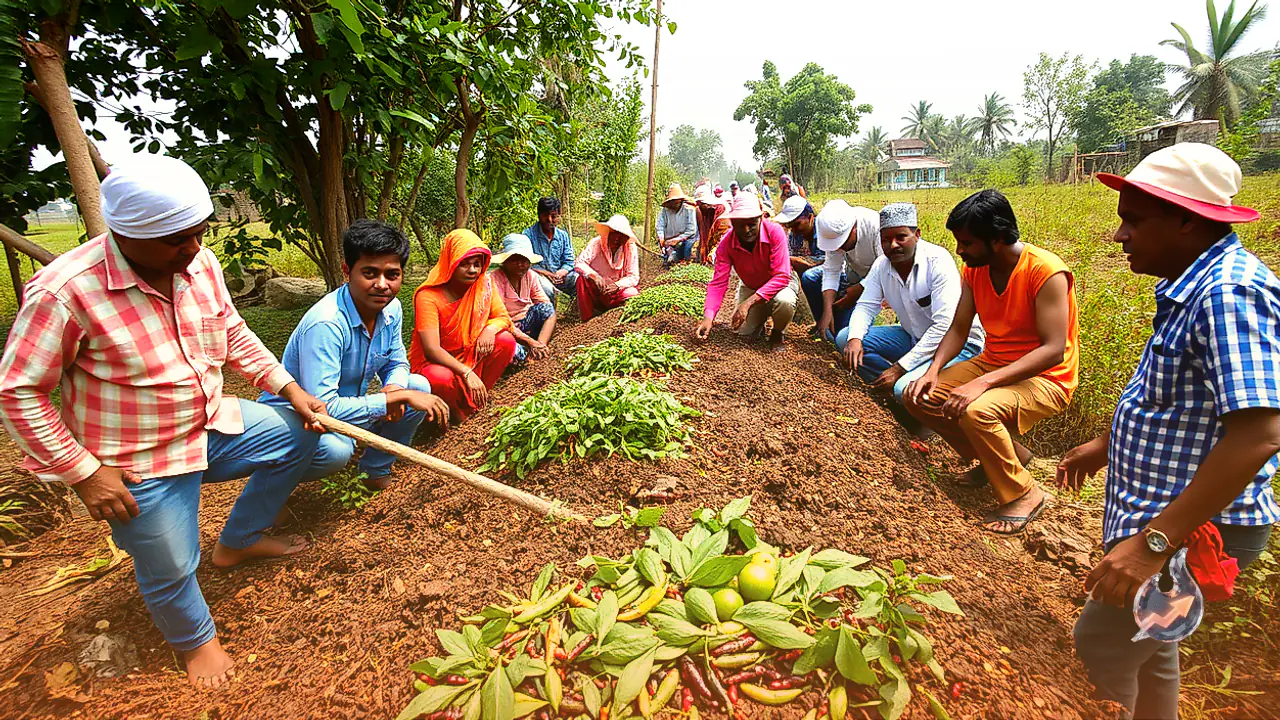
Achieving healthy plants begins with careful soil preparation. Patel explains that the plot underwent two to three rounds of ploughing, followed by a rotavator pass to break up clumps and aerate the ground. Elevated planting beds were then raised across the plot, maintaining a spacing of approximately four and a half feet between adjoining beds. Individual chilli saplings were transplanted with a gap of one foot from each other. For nutrition, the soil was enriched with organic farmyard cow dung manure alongside super phosphate and DAP fertilisers.
Plant Density and Extended Harvesting Window
Following this layout allows roughly 10,000 chilli plants to be accommodated across a single acre. The saplings transition to fruiting in about 60 days post-planting. Once the crop matures, it provides continuous harvests over an extended stretch of six to seven months. The regional temperature in Bastar supports this prolonged fruiting timeline, ensuring growers reap steady pickings across multiple seasons.
Managing Pests and Field Health
Maintaining crop quality demands vigilance against insect infestations. According to Patel, the crop is especially vulnerable to thrips and mites. Countering these infestations requires disciplined schedules of pesticide spraying, combined with daily monitoring of the plot to detect early warning signs and protect foliage before significant damage can occur.
Expenditure, Net Returns, and Out-of-State Demand
From a commercial perspective, cultivating an acre of chillies incurs an overall expenditure of roughly 50,000 to 60,000 rupees. When market conditions remain steady and yields stay robust, a single acre generates a net profit ranging between 2.5 and 3 lakh rupees. The produce enjoys robust buyer interest well beyond local boundaries, with substantial consignments traveling directly to markets across Andhra Pradesh and Telangana.