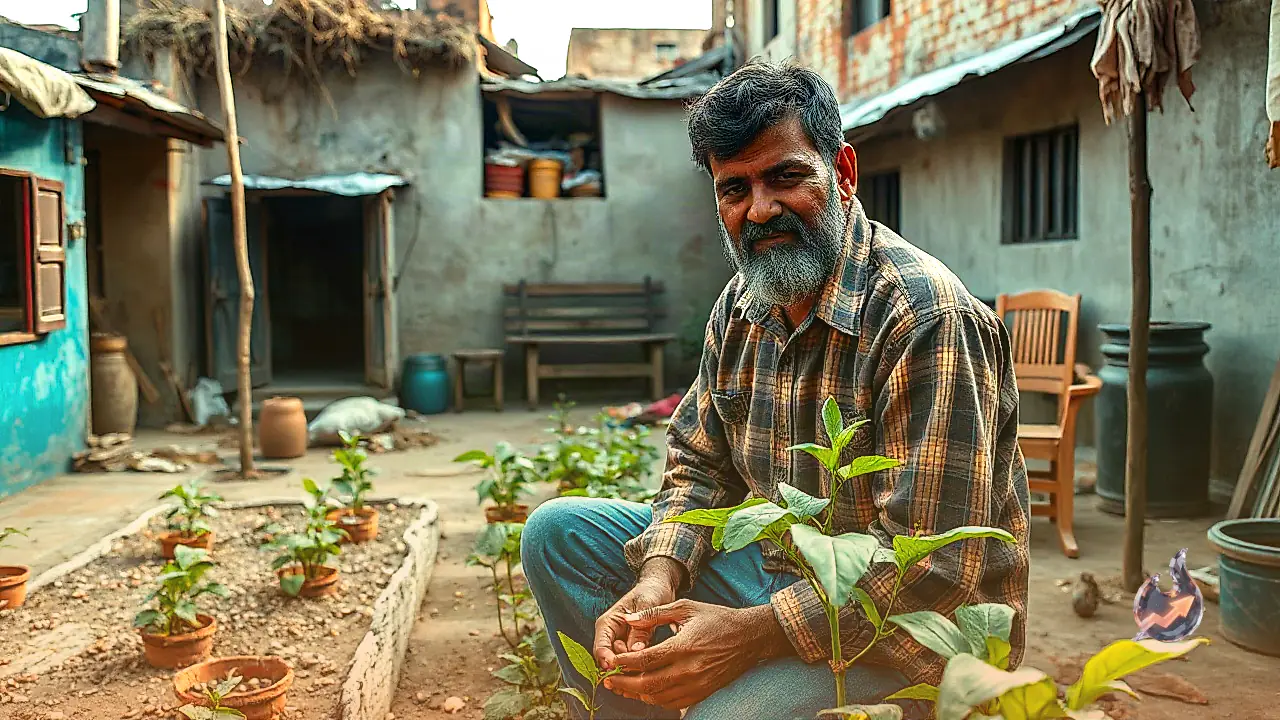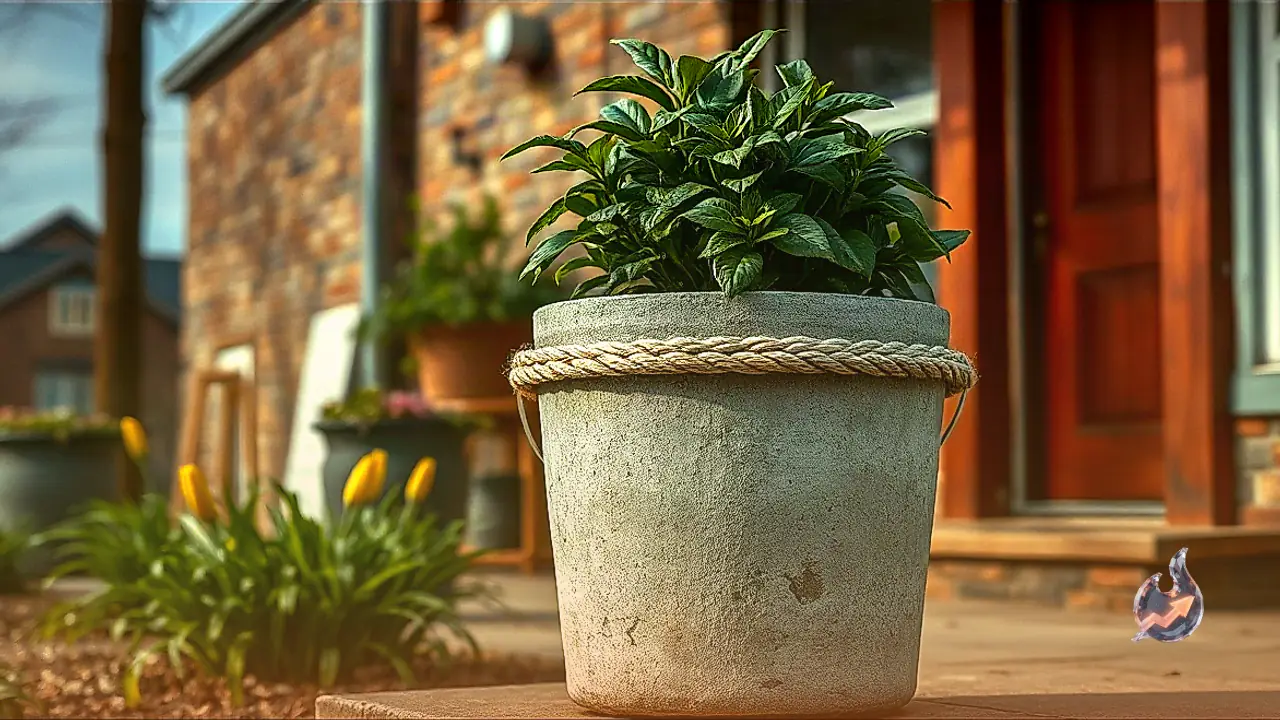























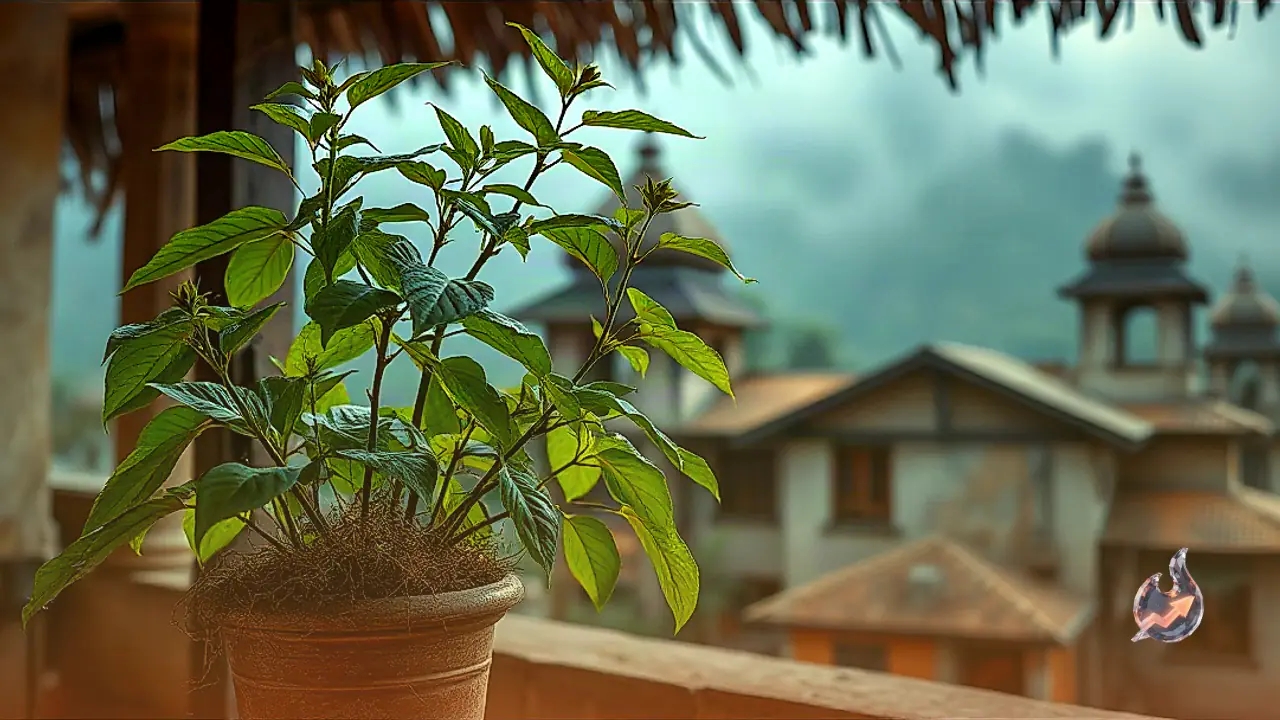

In cultural and spiritual traditions, the sacred basil or Tulsi plant is revered as an emblem of peace, domestic prosperity, and positive vitality. A flourishing green plant in the courtyard or balcony is traditionally seen as auspicious for the household. However, when the plant repeatedly withers or dies despite devoted care, observers often look beyond mere botany. Within astrological traditions, such recurring issues are frequently interpreted as possible manifestations of Pitra Dosh, signifying unrest among departed ancestors, an aspect that gains heightened attention during Pitru Paksha.
Why Unexplained Withering Is Linked to Deeper Beliefs
Deoghar based astrologer Pandit Nandkishore Mudgal explains that if a household Tulsi plant continues to wither despite regular watering and proper maintenance, scriptural and cultural beliefs associate it with specific signs. Instances where the foliage suddenly turns yellow without warning or branches snap without any visible physical reason are traditionally viewed through the prism of Pitra Dosh. While practical factors such as changing weather conditions, poor soil quality, pest infestation, or improper hydration can easily damage vegetation, religious traditions often perceive repeated occurrences as an indication connected to the realm of the ancestors.
The Impact of Ancestral Imbalance on Domestic Harmony
When ancestral afflictions are believed to affect a family or an individual horoscope, the repercussions are said to reflect across household well-being and collective progress. The astrologer notes that such conditions are traditionally believed to bring abrupt halts to ongoing projects and career advancement. Financial growth may stall, and persistent hurdles can disrupt daily endeavors. Furthermore, the domestic environment frequently experiences unnecessary friction, where minor disagreements escalate into family disputes and continuous domestic discord, eroding peace of mind among household members.
The Role of Pitru Paksha Rites in Restoring Domestic Peace
To alleviate these perceived disturbances, the fifteen-day window of Pitru Paksha is regarded as the most significant period for honoring ancestors. Families observe this solemn fortnight by performing Tarpan, Shraddh, and Pind Daan rituals in accordance with traditional guidelines. According to longstanding belief, performing these offerings with sincerity and reverence pleases the departed souls, earning their benevolent blessings for the family. The grace of appeased ancestors is believed to eliminate recurring domestic strife, restore tranquility, and clear the path for uninterrupted prosperity and success.