























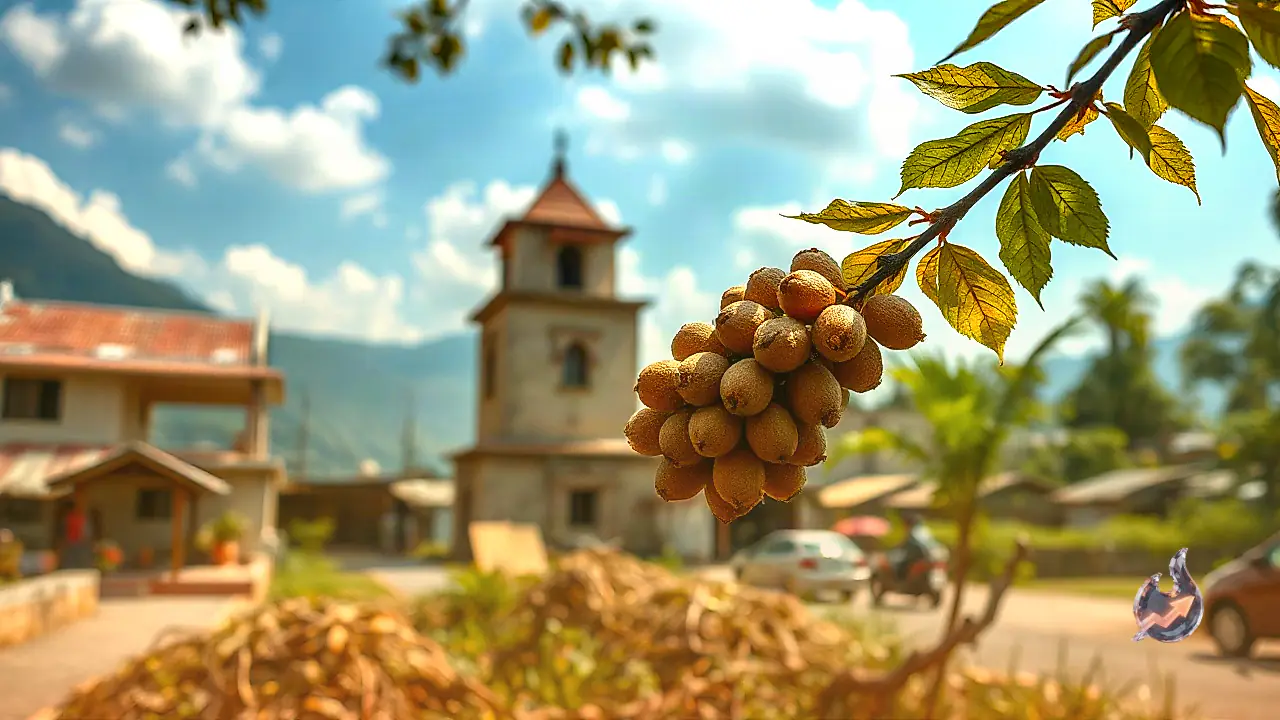

In the hilly regions of Uttarakhand, jambu holds a prestigious position as a traditional aromatic herb and spice. Growing in the mid-Himalayan belt, this native plant has been an integral part of regional culinary heritage for generations. The distinctive aroma and earthly flavor of jambu impart a unique character to mountain lentils, vegetable preparations, and traditional local broths known as jhol. Across rural households in the state, jambu is considered an essential component of the home spice pantry. However, fresh jambu leaves have a very brief shelf life due to their high moisture content. To enjoy its rich flavor throughout the year, mountain communities have long relied on traditional drying and preservation techniques.
Selection and Cleaning Process
Kishan Malra, a local expert from Bageshwar, has detailed the exact step-by-step process required to dry jambu properly without losing its medicinal and culinary properties. According to Malra, the foundation of long-lasting dried jambu lies in choosing healthy, fresh leaves right at the harvest stage. Farmers and homemakers must select vibrant green leaves free from pest infestations, dark spots, or decay. Mixing damaged leaves with healthy ones can cause the entire stored batch to spoil over time.
Once plucked from the plant, the leaves must be washed thoroughly under clean running water to remove dirt, fine dust, and environmental residue. After washing, eliminating surface water immediately is critical. A clean cotton cloth or a wide sieve should be used to drain all excess droplets. Before laying the leaves out for drying, one must ensure no surface moisture remains on the foliage. Leaving wet leaves to dry naturally without draining excess water greatly increases the risk of fungal growth and rotting.
Scientific Shade-Drying Technique
A crucial rule in processing jambu is avoiding direct exposure to intense sunlight. Direct solar heat destroys the delicate volatile oils, natural green color, and distinct fragrance of the herb. Therefore, experts recommend shade-drying jambu in a well-ventilated, clean, and airy space.
The washed leaves should be spread out in a single thin layer on a clean cloth, mat, or tray. Stacking leaves on top of one another traps humidity underneath, causing the bottom layers to turn black and decay. During the drying phase, the leaves should be turned over gently two to three times a day to ensure even air circulation across all parts. Depending on prevailing weather conditions and ambient humidity, the drying process usually takes a few days. The leaves are ready for long-term preservation only when they become completely crisp and show zero residual moisture.
Storage Guidelines and Preservation
Once jambu leaves are thoroughly dried, they can be processed according to personal preference. Some users prefer crushing the dried leaves lightly by hand or coarsely pounding them into smaller flakes, while others prefer keeping the leaves whole. The dried spice must then be transferred into a clean, completely dry, airtight container.
The storage jar must be entirely free from moisture, as even a hint of dampness can spoil the spice's aroma and shelf life. Glass jars or high-grade airtight plastic containers are ideal for this purpose. The container should be stored in a cool, dry, and dark pantry away from direct sunlight and kitchen heat. Stored correctly under these conditions, dried jambu retains its natural fragrance and punchy flavor for many months.
Culinary Uses in Mountain Cuisine
In Uttarakhand homes, dried jambu is primarily utilized for tempering, locally referred to as tadka. When dropped into hot oil or clarified butter (ghee), the herb releases an intense, pleasant aroma that infuses the entire dish. Adding a jambu tempering even to standard yellow lentils instantly imparts an authentic Himalayan taste.
It is considered essential in traditional mountain lentil preparations such as masoor, gahat (horse gram), and bhatt (black soybean). Because of its strong, concentrated flavor, jambu should be added in moderation, starting with a small pinch. Beyond lentil curries, it is also widely used in tempering potato, bottle gourd, and pumpkin dishes, as well as local spicy gravies and signature mountain spice mixes.
Handling Precautions and Quality Maintenance
Maintaining the quality of dried jambu requires careful day-to-day handling. The container should never be opened with wet hands, and users should always employ a dry spoon to extract the spice. Closing the lid tightly immediately after use prevents ambient moisture and air from entering the jar. If the stored herb exhibits signs of dampness, off-odors, or mold, it should be discarded immediately. Properly dried and stored in sealed containers, jambu easily retains its culinary value for 6 to 12 months.
Economic Opportunity for Rural Communities
Beyond its culinary value in traditional kitchens, jambu presents a viable economic opportunity for small-scale farmers and women's self-help groups across Uttarakhand. With growing consumer demand for organic, authentic regional spices in urban centers, Himalayan herbs like jambu are gaining high commercial value.
By adopting hygienic harvesting, proper shade-drying, and neat packaging, rural producers can take jambu from kitchen gardens to retail markets. Developing this local herb into a packaged cottage industry product offers rural families a sustainable source of supplemental income while preserving Uttarakhand's rich culinary heritage.