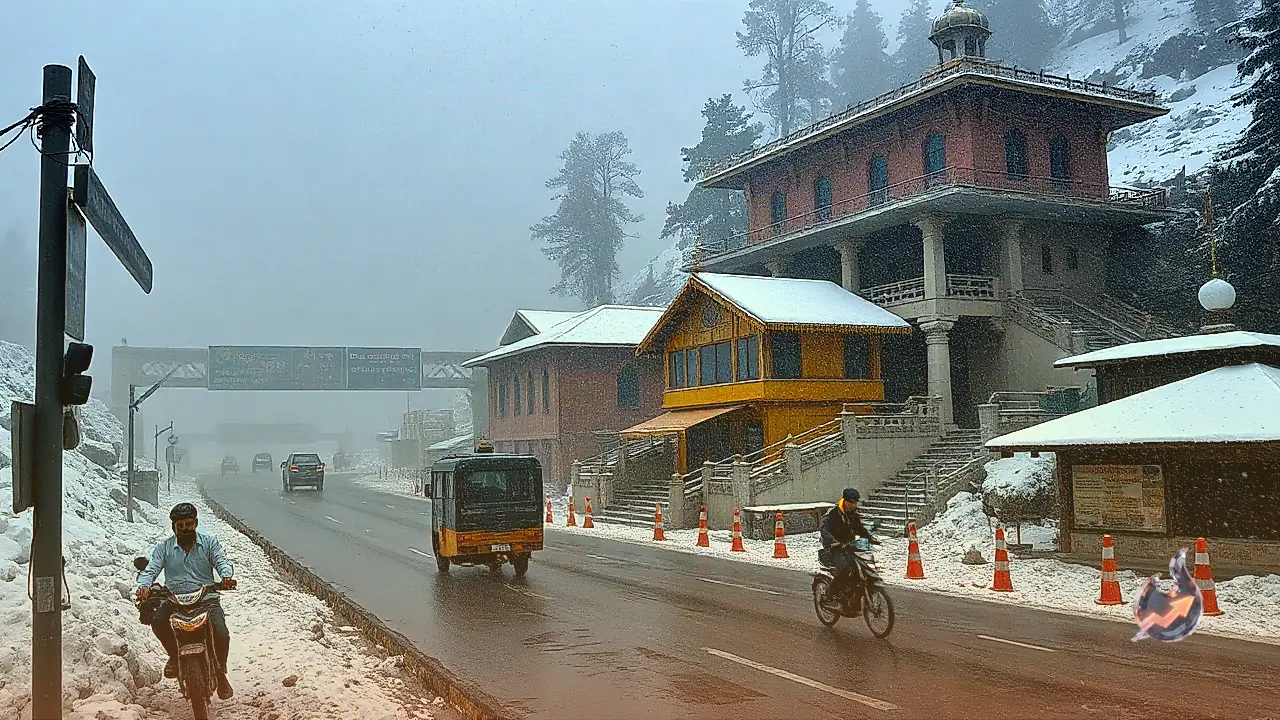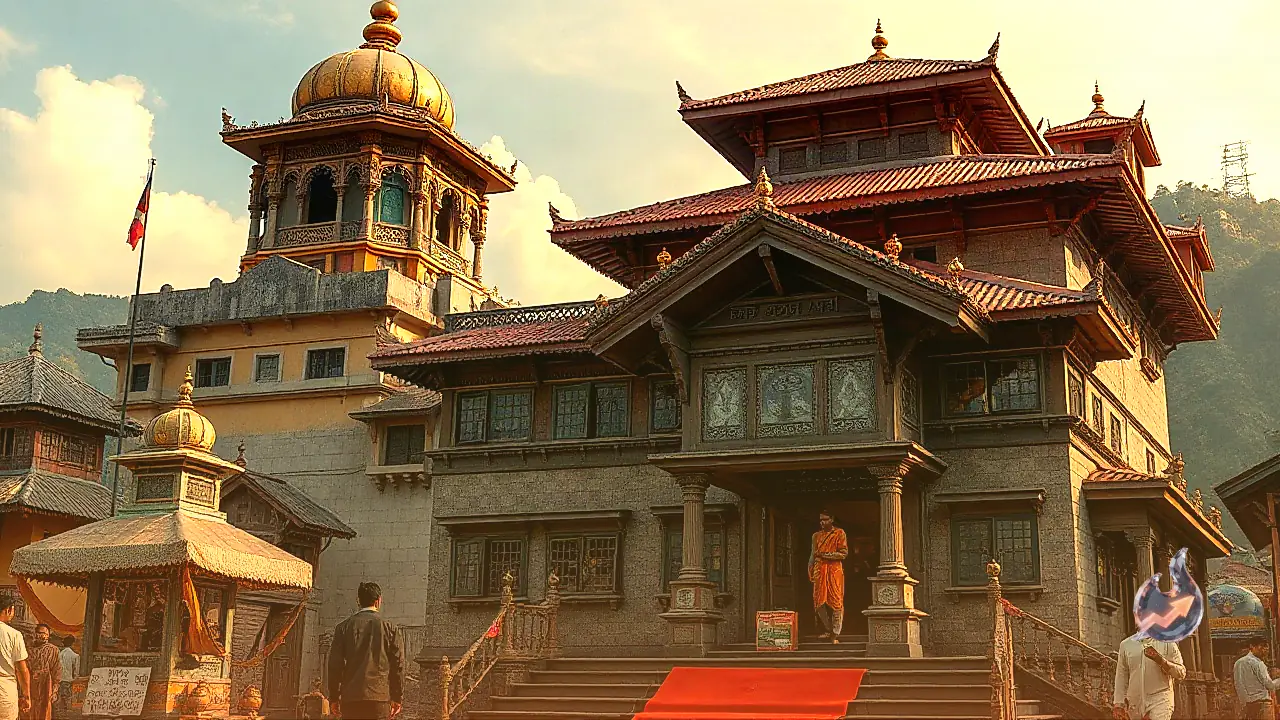

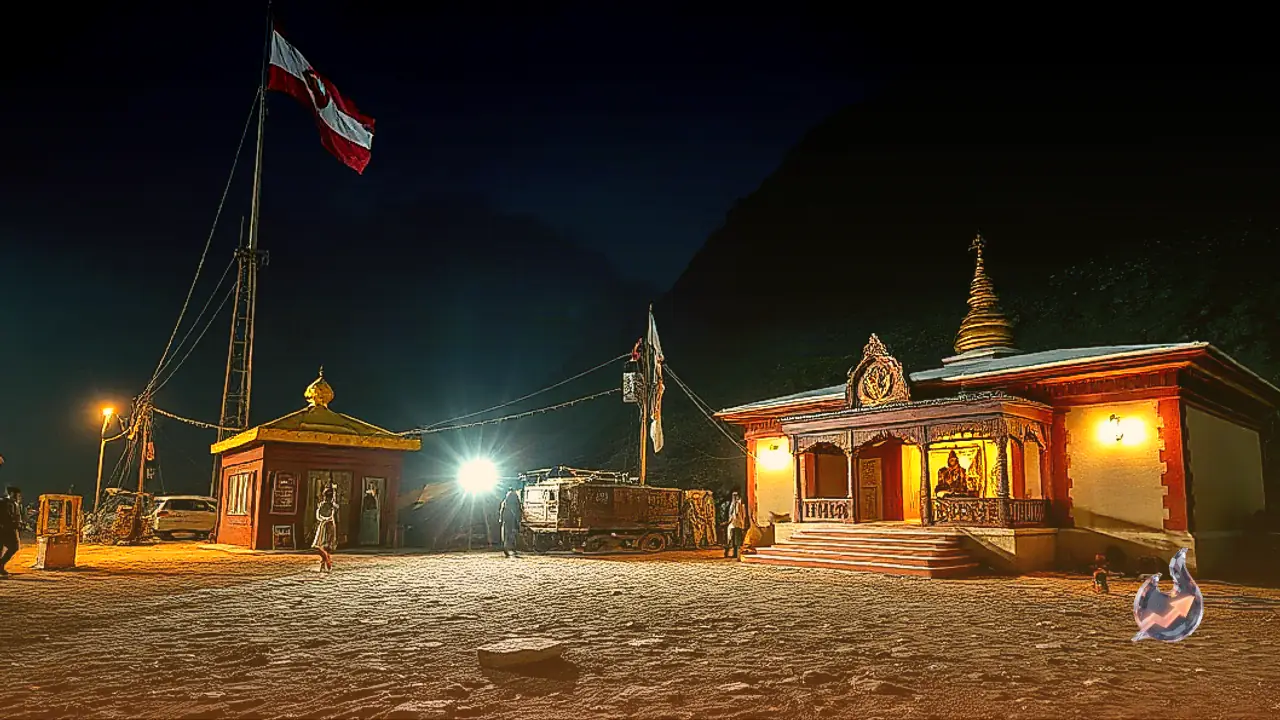



















The mist-covered peaks of Uttarakhand are celebrated not just for their breathtaking natural landscapes, but for their deep and timeless spiritual heritage. These high Himalayan valleys possess an inherent tranquility that touches the soul of every traveler. Nestled within this sacred geography is the quiet village of Pandukeshwar in the Chamoli district, home to the Yogdhyan Badri temple. Considered a critical pilgrimage site within both the Panch Badri and Sapt Badri groups of temples, its history is deeply intertwined with the spiritual fabric of the region. According to the Chamoli district administration, this ancient temple is believed to be as old as the main Badrinath temple itself, housing a unique idol of Lord Vishnu depicted in a state of profound meditation. Recently, a controversy erupted after video footage emerged from a cultural program organized near Badrinath Dham. The clips, showing a festive atmosphere with loud DJ music and dancing attended by Uttarakhand Chief Minister Pushkar Singh Dhami, have sparked a heated debate. Amid this ongoing dispute, exploring the spiritual significance of the Yogdhyan Badri temple sheds light on why preservation of silence is deeply valued in these mountain sanctuaries.
Yogdhyan Badri: The Sanctuary of Meditative Peace
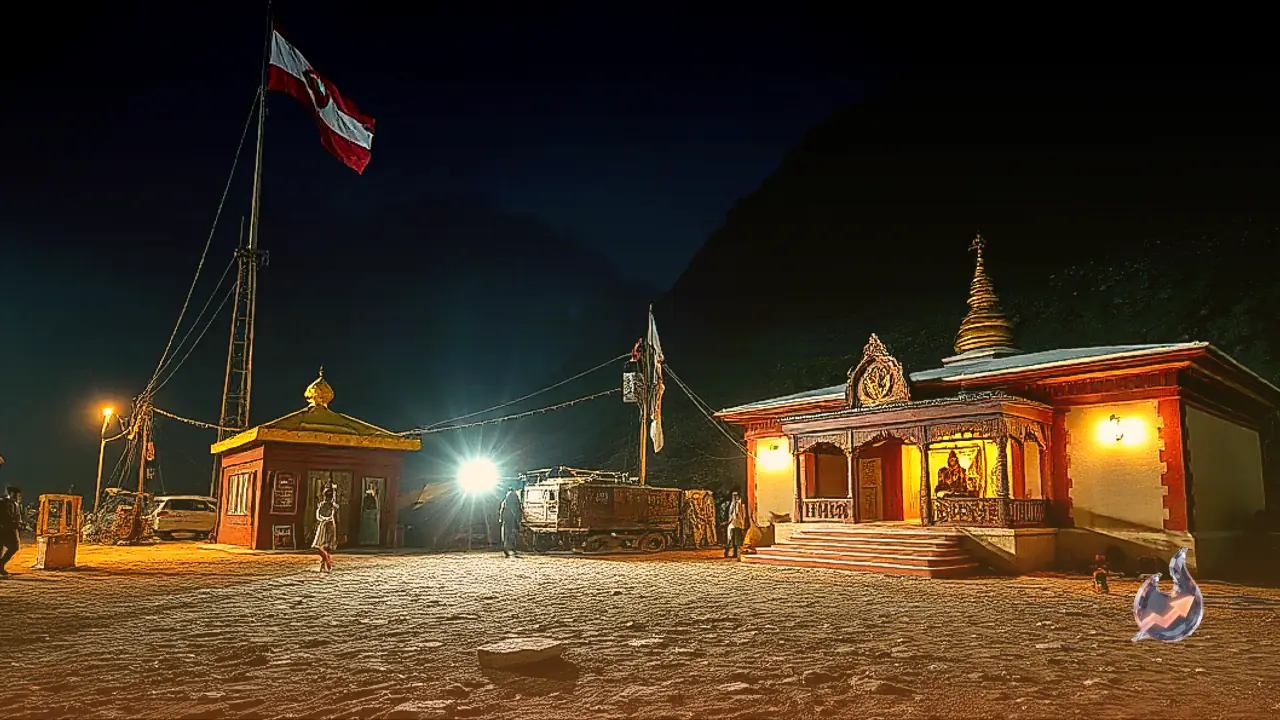
Located on the route to Badrinath, the Yogdhyan Badri temple is dedicated to the meditative aspect of Lord Vishnu. The Chamoli district administration notes that Pandukeshwar is situated roughly 24 kilometers away from Joshimath. Here, the Yogdhyan Badri temple serves as a central anchor for pilgrims. Unlike other popular shrines where the deity is represented in active poses, the idol at this temple is sculpted in a deeply meditative state. This quiet, reflective posture of Lord Vishnu is what gives the temple its name of Yogdhyan Badri, meaning Badrinath in yoga and meditation. The Uttarakhand Tourism Department highlights Pandukeshwar as a vital spiritual stopover situated between Joshimath and Badrinath, placing Yogdhyan Badri among the prestigious Sapt Badri temples. For travelers seeking refuge from the bustling crowds of the primary shrines, this location offers a peaceful sanctuary where the mind can naturally settle into silence.
The Penance of King Pandu and Ancient Lore
The placement of Lord Vishnu in a meditative posture at this site is backed by rich mythological accounts. According to local beliefs, King Pandu, the father of the Pandavas, chose this quiet and isolated spot to perform severe penance to atone for his past sins. The undisturbed quiet of the valley was essential for his spiritual purification. In another legend associated with this sacred geography, Urvar Rishi, the son of King Puranjay and a descendant of the Pandavas, performed intense austerities in the nearby Urgam Valley to achieve communion with Lord Vishnu. Moved by his dedication, the deity manifested before him. The temple houses a four-armed (Chaturbhuji) idol of Lord Vishnu sculpted from sacred black stone, sitting in the classic Padmasana (lotus pose) of meditation. Due to this divine pose, the temple is also widely referred to as Dhyan Badri. Compared to the bustling energy of Badrinath Dham, this site remains remarkably secluded and surrounded by untouched natural beauty, making it ideal for deep contemplation and spiritual practice. The historically significant Kalpeshwar Mahadev temple, which is one of the revered Panch Kedar shrines, is also located nearby. Archaeologists have discovered ancient copper plates (tamrapatra) and stone inscriptions in this area that offer vital insights into the history of the region and the reign of the Katyuri kings. This historical evidence underscores that the region’s identity has always been rooted in solitude, penance, and quiet spiritual pursuits.
An Integral Part of a Unified Spiritual Tradition
While Badrinath remains one of the premier pilgrimage destinations of India, the entire surrounding region is dedicated to the ancient traditions of Vishnu worship. According to Uttarakhand Tourism, Pandukeshwar is a natural halting point on the pilgrimage route, with many travelers visiting these secondary temples to complete their spiritual journey. This interconnectedness is why the recent cultural festival dispute has triggered such a major debate regarding how religious spaces should be treated. The core of the argument revolves around whether public cultural events should be organized close to highly sacred areas, and if so, what their appropriate format should be. On one hand, supporters argue that these events are essential to provide a platform for local folk artists, promote mountain handicrafts, showcase traditional cuisine, and bring attention to remote border villages. On the other hand, the local monastic community, including temple priests (purohits) and sadhus, strongly assert that the spiritual gravity and quietude of Badrinath must be maintained above all else, arguing that loud entertainment is inappropriate for such holy sites.
The Devbhoomi Cultural Festival Controversy
The controversy emerged after the Devbhoomi Cultural Festival-2026 was organized at the Tourist Arrival Plaza near Badrinath Dham on September 19 and 20. The two-day event was held in collaboration with the Indian Army's 'Operation Sadbhavana', the Chamoli district administration, and the Uttarakhand Tourism Department. The program aimed to introduce visitors to the folk heritage, local products, handicrafts, and unique traditions of the border villages. However, when videos showing loud DJ music and energetic dancing at the venue surfaced, it drew heavy criticism from the religious community. Temple priests and saints objected to the high-volume sounds, pointing out that such noisy forms of entertainment directly violate the quiet, contemplative nature that has defined the pilgrimage site for centuries.
The Mystery of the Silent Conch at Badrinath
To understand why the local community is so sensitive to loud sounds, one must look at the unique temple regulations of Badrinath Dham. In Hindu worship, blowing a conch shell (Shankh) is standard, and Lord Vishnu himself is depicted holding a conch as a divine symbol. However, blowing a conch is strictly forbidden inside Badrinath Temple. Mythological accounts explain that Goddess Lakshmi was once performing deep, silent meditation in the form of a Tulsi plant at Badrinath. Around the same time, Lord Vishnu fought and killed a powerful demon named Shankhachurna. Although victory in battle is traditionally celebrated by blowing a conch shell, Lord Vishnu chose not to do so. He remained silent to ensure that the booming sound of the conch would not disturb Goddess Lakshmi’s deep meditation. This ancient legend remains a living tradition at Badrinath, reminding devotees that quietude and respect for meditation take precedence over all external celebrations. The current debate surrounding loud music near Badrinath reflects this same ancient philosophy, highlighting that the true spirit of these Himalayan shrines is found in their profound, undisturbed silence.