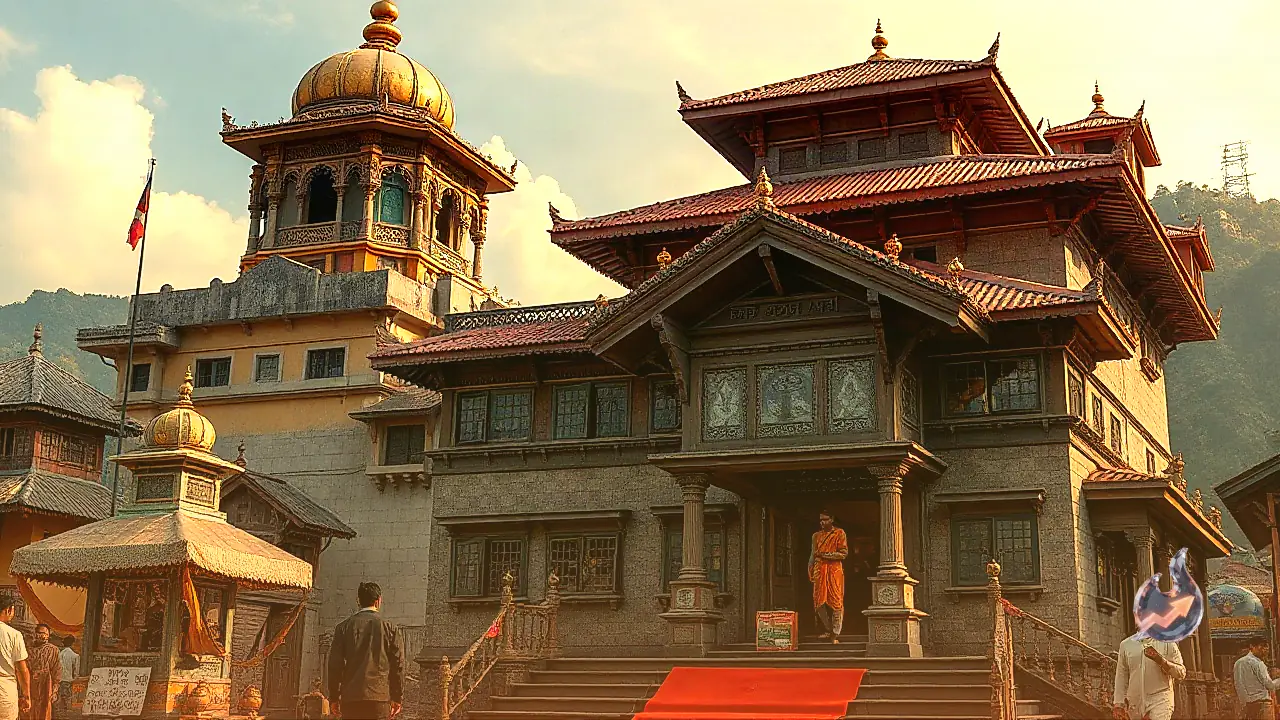


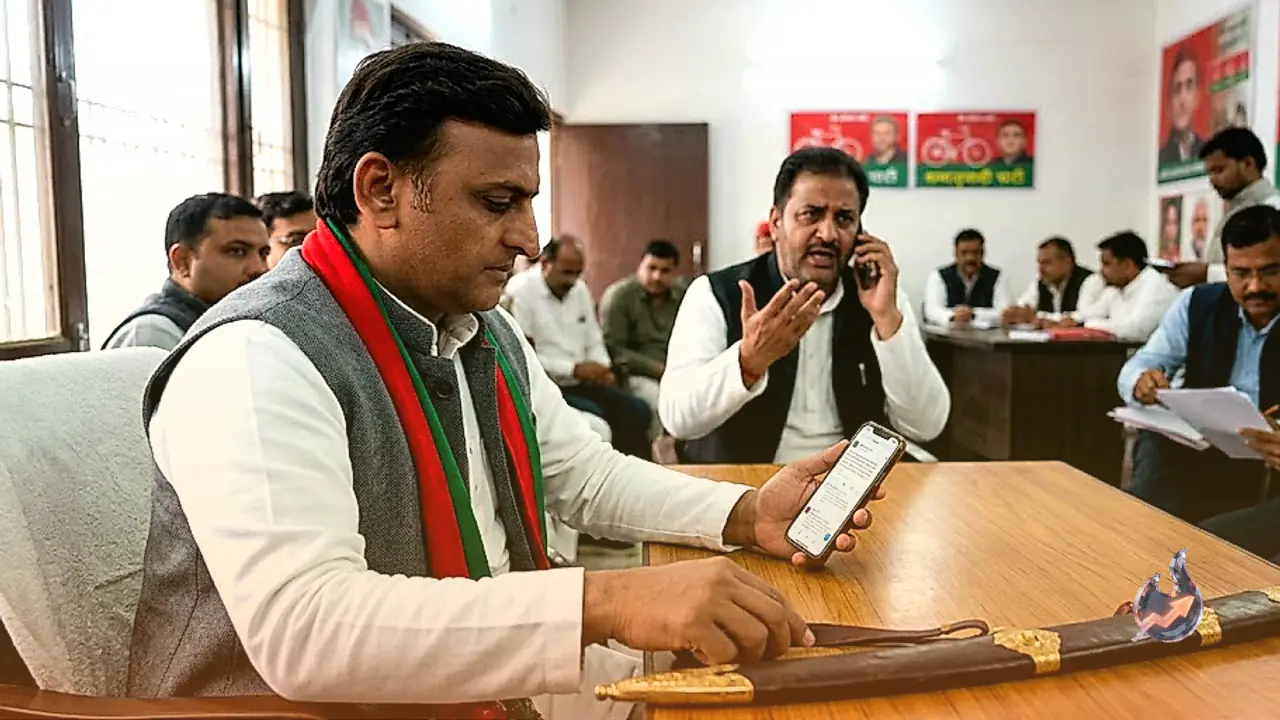
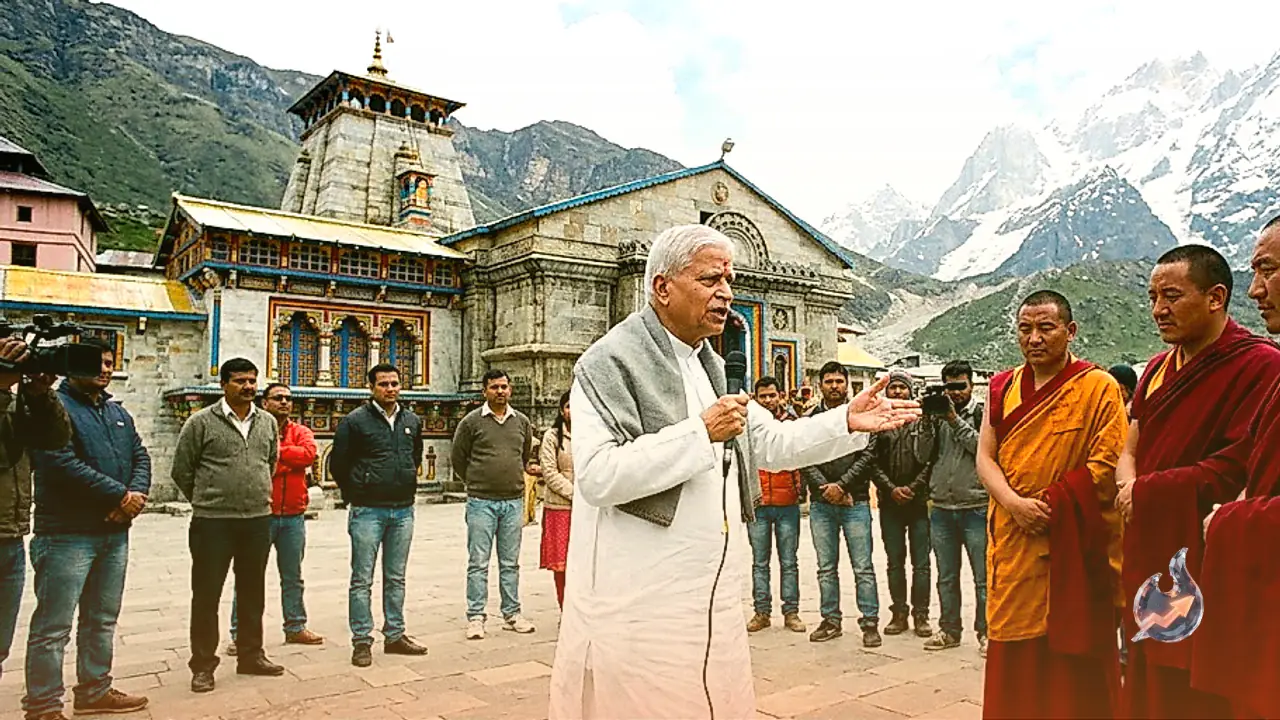














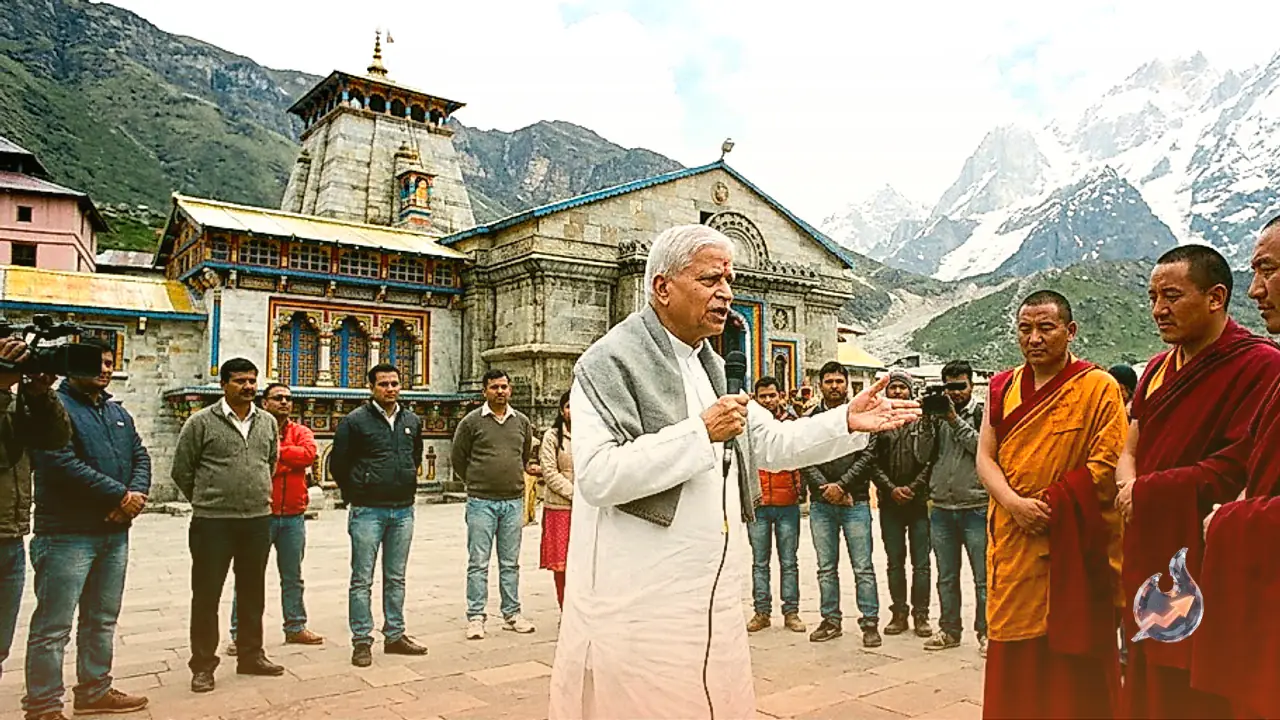

The recent controversy surrounding loud music, dance performances, and festive celebrations during a cultural event at Badrinath Dham has drawn sharp criticism from various quarters, most notably receiving strong backing from senior politician Dr. Murli Manohar Joshi. Taking to social media, Dr. Joshi condemned the permission granted for high-decibel musical events at the Himalayan shrine, describing it not only as a severe violation of cultural norms but also as a direct blow to the inherent sanctity of the sacred site. According to established religious traditions, blowing a conch shell is strictly prohibited even during regular worship at this holy dham, making the hosting of such concerts a matter of profound spiritual concern.
Accusations of Disregarding Spiritual and Cultural Values
Badrinath Dham was originally established by Adi Shankaracharya within a serene Himalayan environment specifically dedicated to quiet prayers and devotion. Expressing his displeasure, the senior leader pointed out that while conch shells are traditionally banned in the area, organizing loud musical programs represents a blatant neglect of Indian spiritual, cultural, and environmental values. He further noted that the presence of thousands of people dancing at such high altitudes poses potential health hazards, symbolizing a troubling shift toward turning the sacred land into a commercialized marketplace.
He appealed to Shankaracharyas and spiritual leaders to raise an effective voice against this cultural degradation while urging both central and state governments to ban such activities to preserve the dignity of Devbhoomi. Describing the Himalayas as the abode of deities, the residence of Lord Shiva, and the origin of the Ganga, he emphasized that converting the region into a dance venue deeply hurts the religious sentiments of millions of Indians. Following the fresh statement from the former union minister, opposition to the festival has intensified significantly.
Details of the Devbhoomi Cultural Festival
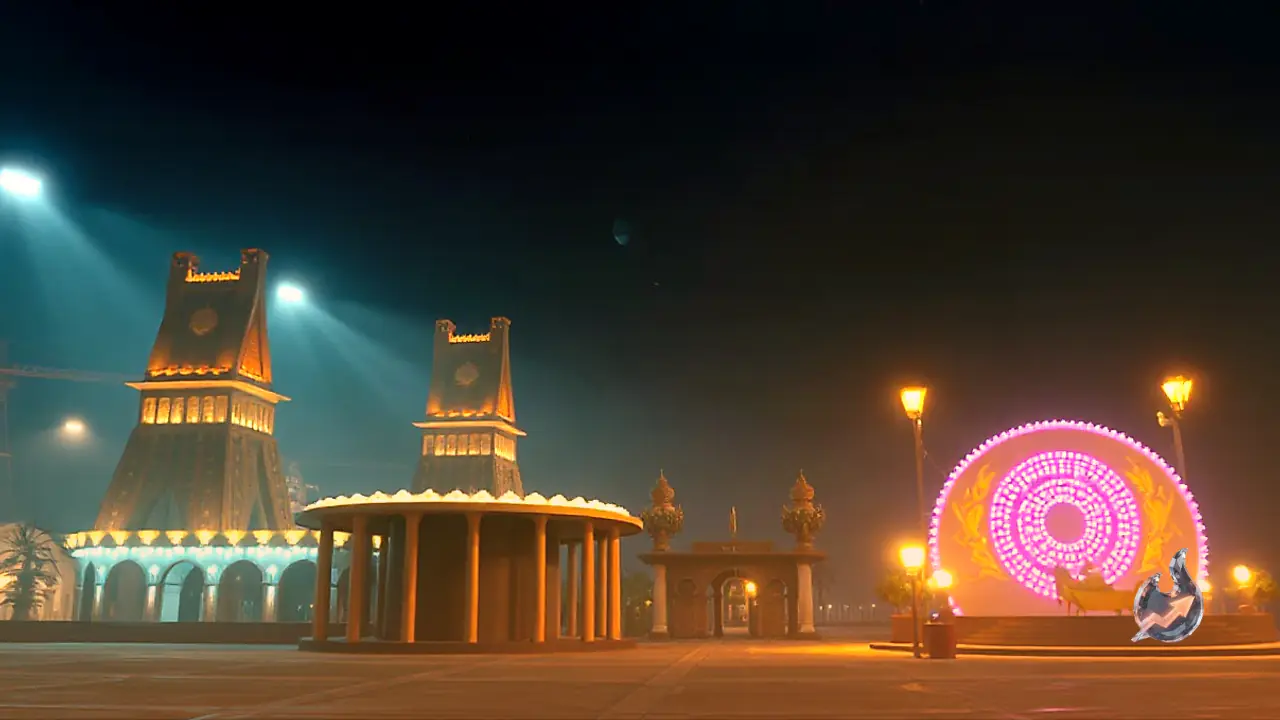
The event in question, named the Devbhoomi Cultural Festival-2026, was organized jointly by the Indian Army and the Chamoli district administration on September 19 and 20 at Badrinath Dham. The stated objective of the festival was to promote the region's cultural heritage, folk traditions, and local border-area products by providing them with a commercial market, alongside fostering entrepreneurship and tourism to empower women and youth. Chief Minister Pushkar Singh Dhami attended the closing ceremony of the festival as the chief guest.
Objections Raised by the Chamar Dham Teerth Purohit Mahapanchayat
Despite the stated goals, the Uttarakhand Char Dham Teerth Purohit Mahapanchayat alleged that the organizers bypassed religious traditions and customs by conducting dance and loud music programs instead of adhering to the intended heritage objectives. Condemning the events held at the Arrival Plaza within the dham, Mahapanchayat general secretary Dr. Brijesh Sati clarified that their opposition was directed at the format and presentation of the festival rather than the concept of a cultural gathering itself. He argued that any event held in Badrinath must strictly align with its religious and mythological dignity, noting that blowing a conch shell is forbidden in the dham and generating loud noise and music goes completely against its spiritual ethos.
Strong Stance by the Jyotirmath Badrikashram Shankaracharya Math
The Shankaracharya Math of Jyotirmath Badrikashram, established by Adi Shankaracharya, also registered strong objections, labeling the event as contrary to tradition, culturally crude, and a violation of religious decorum. Swami Pratyakchaitanyamukunanda Giri, a disciple of Swami Avdheshanand and in-charge of the math, stated that Badrikashram is a sacred zone where sages laid down strict rules of profound peace and restraint. He explained that even blowing a conch shell is prohibited in this region to prevent any disturbance to the meditating Lord Nar-Narayana and spiritual seekers, warning that such programs are deteriorating the religious atmosphere.
Highlighting that even highly sensitive flowers like the Brahmakamal are offered at the feet of the deity with strict rules, purity, and reverence, he questioned the appropriateness of loud music, dancing, and vulgar displays. Swami Pratyakchaitanyamukunanda Giri urged Chief Minister Pushkar Singh Dhami to intervene and take strict action against the organizers responsible for breaking traditions. He further requested a complete ban on musical programs, vulgar performances, and loud gatherings across Badrinath and other pilgrimage sites, alongside making prior consultation with the Shankaracharya mandatory for any major event.
District Administration Clarification Amid Growing Backlash
Amid the escalating controversy, the Chamoli district administration issued a clarification stating that it had advised local army officials to conduct programs only after considering the religious faith, traditions, and mythological significance of Badrinath Dham. The Indian Army organized the Devbhoomi Cultural Festival-2026 at the Tourist Arrival Plaza in Badrinath Dham as it does annually, with the selection and curation of the cultural performances and formats managed entirely by the army authorities.
Why Is Blowing a Conch Shell Prohibited in Badrinath Dham?
Located in the Chamoli district of Uttarakhand, Badrinath Dham is one of the principal pilgrimage sites dedicated to Lord Vishnu. According to mythological beliefs, blowing a conch shell is strictly forbidden during worship here due to specific spiritual reasons. Badrinath is regarded as the resting and meditative abode of Lord Vishnu. Legend has it that once, while Lord Vishnu was deep in yogic slumber and absolute silence prevailed in the surroundings, the loud sound of a conch shell echoed, disturbing the deity's deep concentration and breaking his meditation. Ever since that incident, tradition dictates that a conch shell must never be blown within the Badrinath Dham premises to avoid disrupting the divine meditation. Additionally, maintaining quiet and avoiding excessive noise aligns with the preservation of the sensitive Himalayan ecosystem.