


















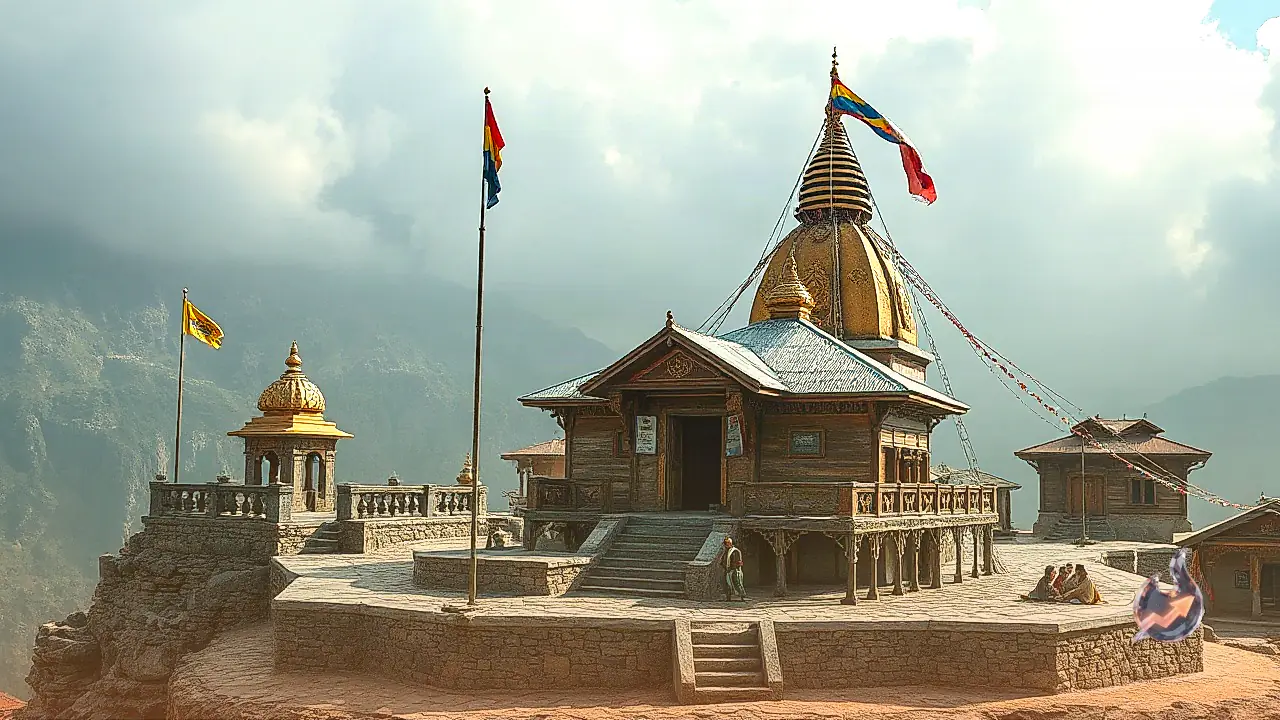

Tucked away within the scenic landscapes of Uttarakhand, the Pauri Garhwal district houses several ancient landmarks, among which the Bhairav Garhi temple in Kirtikhal village stands out for its rich history and natural allure. Surrounded by pristine mountains, this sacred site is closely tied to the region's ancient rulers and draws devotees seeking blessings from Lord Bhairav, who is traditionally regarded as the guardian deity of Garhwal.
Altitude and Geographical Setting
Positioned on a striking mountain peak at an elevation of approximately 2,400 meters or 9,000 feet above sea level, the temple is also referred to locally as Langur Garhi. It is recognized as one of the 52 historic forts of the region, specifically known as Langur Garh. The surrounding environment offers breathtaking vistas, and traditional belief holds that offering prayers here helps clear away hardships and negative influences.
The Gorkha Invasion and Conflict
Historical accounts indicate that during the late 18th century around 1791 and the early decades of the 19th century, invading Gorkhas from Nepal targeted the Garhwal and Kumaon territories. They maintained a siege for nearly two years to capture the strategically vital Langurgarh. However, combat concluded within just 28 days of direct fighting, resulting in a defeat for the invading forces. Local tradition attributes this sudden turnaround to the unseen protective force of Kalbhairav.
The Forty Kilogram Copper Plate
Deeply moved by the perceived intervention and power of the deity during the conflict, a Gorkha officer bearing the surname Thapa presented a heavy copper plate weighing about 40 kilograms to the sanctuary. Ever since that event, Bhairav Garhi has been revered across the region as the protector of Garhwal. From this elevated vantage point, visitors can enjoy a 360-degree panoramic view featuring towering Himalayan peaks alongside dense forests of oak, rhododendron, and pine.
Offerings and Annual Fairs
According to prevailing customs, the resident deity Kalnath Bhairav is believed to favor dark-colored items. Consequently, devotees present a special type of bread known as rot, which is prepared using finger millet flour. An expansive annual fair takes place every June during the Hindu month of Jyeshtha, drawing pilgrims from far and wide. Additionally, special devotional singing gatherings and community feasts are organized on the premises throughout the monsoon month of Sawan.
Reaching the Shrine
Reaching the sanctuary involves a journey through nature, requiring visitors to undertake an uphill trek ranging from roughly 2 to 4 kilometers. The pathway winds through wooded terrain, making the pilgrimage an adventurous experience for hikers and spiritual seekers alike who make the journey to witness this historic landmark.