























In the serene hilly landscapes of Uttarakhand, communities have relied on natural resources for their daily wellness routines for centuries. Long before synthetic, chemical-laden shampoos dominated commercial market shelves, rural households in these mountainous regions maintained their hair health using organic elements. Among these, Shikakai and Reetha stand out as crucial components of a deeply rooted traditional hair care system that is passed down through generations. Derived from local flora, these botanical options are highly valued for their ability to cleanse the hair thoroughly without stripping away its natural sebum and moisture.
The Origin and Botanical Profile of Shikakai in the Himalayas
According to Ramesh Parvatiya from Bageshwar, Shikakai is harvested from a thorny shrub or a modest-sized tree known scientifically as Acacia concinna. This botanical species primarily thrives in warm and subtropical geographic zones. Across the rural belts of Uttarakhand, these hardy plants are commonly found growing wild in forest areas, along the boundaries of agricultural fields, and within domestic backyard gardens. Once the seed pods or legumes of the Shikakai plant mature, they are carefully harvested and thoroughly dried in the sun to ensure long-term preservation. When these desiccated brown pods are subsequently submerged in water, they naturally release cleaning agents that produce a gentle lather.
Understanding the Nomenclature and Cultural Relevance
While the botanical remains the same, its name can vary slightly depending on the local dialects spoken across different micro-regions of Uttarakhand. Most commonly, rural communities refer to it as Shikakai or Sikakai, integrating the term seamlessly into their domestic vocabulary. On the other hand, Reetha is almost universally recognized by its traditional name throughout the hill state. For the local inhabitants of these mountain villages, these plants are not merely wild vegetation; they represent a vital element of their ancestral lifestyle, reflecting a self-sustaining relationship with the surrounding Himalayan ecosystem.
The Science of Saponins: How Natural Cleansing Works
The effective cleansing properties of Shikakai are attributed to the high concentration of organic compounds called saponins present in its pods. When these dry pods come into contact with water, the saponins dissolve to create a mild, soap-like foam. This natural lather works efficiently to emulsify and lift away accumulated dust particles, environmental pollutants, and excess sebum from both the hair shafts and the scalp surface. Unlike modern industrial shampoos that contain harsh sulfates, Shikakai preserves the scalp's natural pH balance and essential oils. Regular and appropriate usage of this botanical cleanser leaves the hair feeling exceptionally soft, smooth, and clean, although individual results can fluctuate depending on specific hair textures and skin sensitivities. This organic alternative should be viewed as a wellness practice rather than a medical treatment.
The Power of Three: Blending Shikakai with Reetha and Amla
To maximize the benefits of this natural regimen, mountain households frequently combine Shikakai with Reetha. Reetha also contains a rich reserve of natural saponins, making it highly effective at cutting through stubborn oil and deep-seated grime on the scalp. While Reetha handles the heavy-duty cleansing, Shikakai steps in as a natural conditioner to ensure the hair remains supple, hydrated, and manageable. To complete this traditional hair-cleansing recipe, many families also incorporate Amla (Indian gooseberry) into the mix. This synergistic blend of three powerful herbs creates a complete, nutrient-rich hair wash that has been used historically to enhance hair strength, shine, and overall vitality.
Step-by-Step Preparation and Application Guide
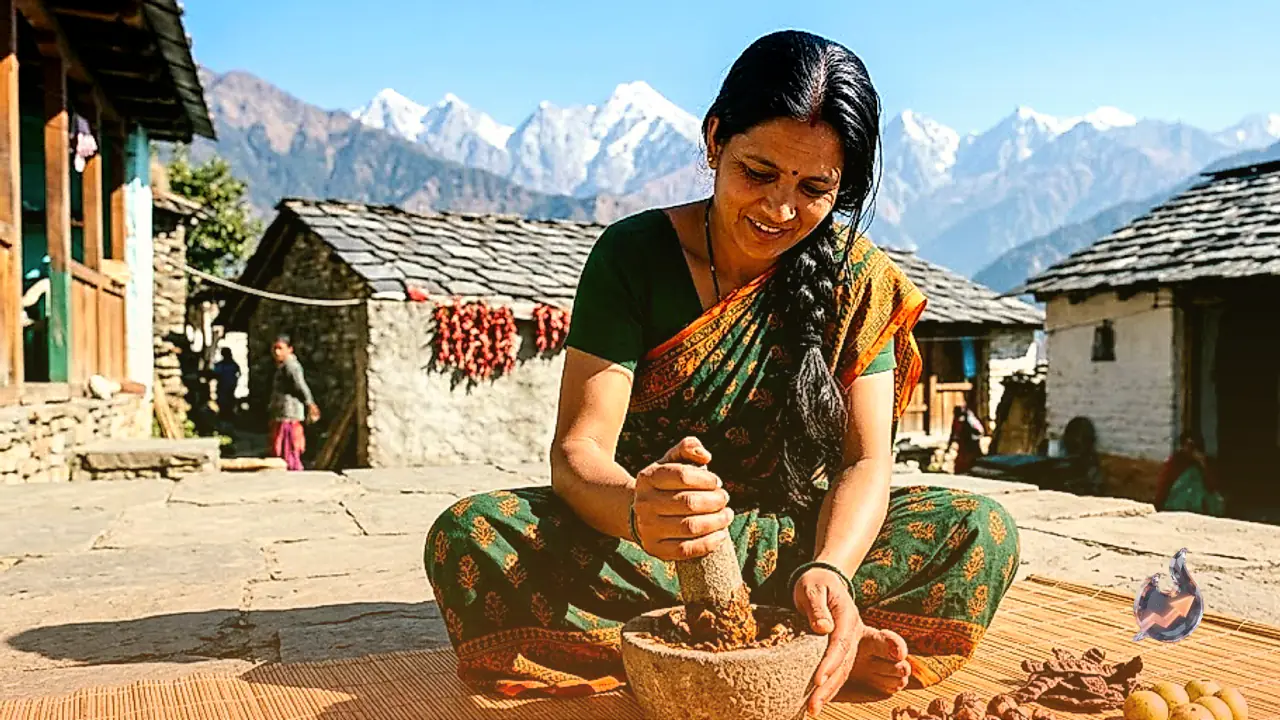
Preparing this traditional liquid cleanser at home requires a simple yet patient process. First, a handful of dried Shikakai pods are soaked in a bowl of clean water for several hours, allowing them to soften. Once sufficiently soaked, the mixture is brought to a gentle boil on low heat and then allowed to cool down completely. After cooling, the liquid is carefully strained through a fine sieve or cloth to separate the solid debris from the nutrient-infused extract, which is now ready for application. Alternatively, some users prefer to grind the dried pods into a fine powder and mix it with water to form a smooth paste. To apply, the liquid or paste is gently massaged into the scalp and throughout the length of the hair, left on for a few minutes, and then thoroughly rinsed off with clean, running water. It is essential to gauge the correct proportions and be mindful of individual skin tolerance when using natural ingredients.
Important Precautions, Scalp Sensitivity, and Professional Advice
Although Shikakai is widely celebrated for its holistic hair care benefits, it is crucial to understand that it is not a magical cure-all for chronic dermatological or hair issues. Problems like severe hair loss, persistent dandruff, or stubborn fungal scalp infections often stem from complex internal or physiological causes. While Shikakai excels at maintaining hygiene and cleanliness, serious scalp disorders require professional diagnosis and targeted treatment from a qualified dermatologist. Because extensive modern scientific studies on these traditional remedies remain limited, their efficacy should not be viewed as verified medical cures. Furthermore, individuals with hyper-sensitive skin or pre-existing allergies are strongly advised to perform a patch test on a small area of skin before committing to a full scalp application.
The Modern Revival of Traditional Heritage and Sustainable Living
In an era dominated by synthetic cosmetic products filled with artificial preservatives, there is a prominent resurgence of interest in traditional alternatives like Shikakai and Reetha. In the rural communities of Uttarakhand, this ecological wisdom has survived through centuries of oral history and domestic practice. Harvesting these botanical resources from local forests and fields highlights the resilient, self-reliant lifestyle of the Himalayan people. However, to protect these natural habitats, the collection of wild plants and fruits must strictly adhere to local environmental guidelines and community forestry regulations. Ultimately, the legacy of Shikakai is a beautiful testament to the rich cultural heritage and eco-friendly conservation methods preserved by the mountain communities of India.