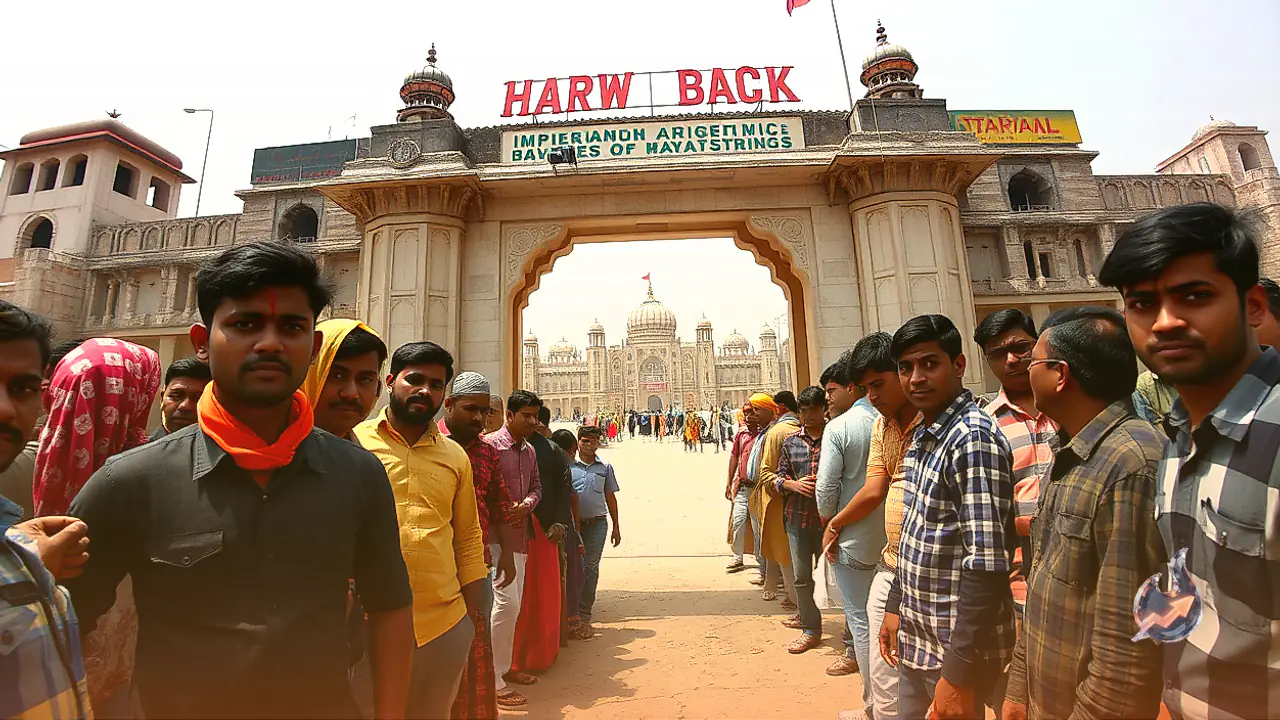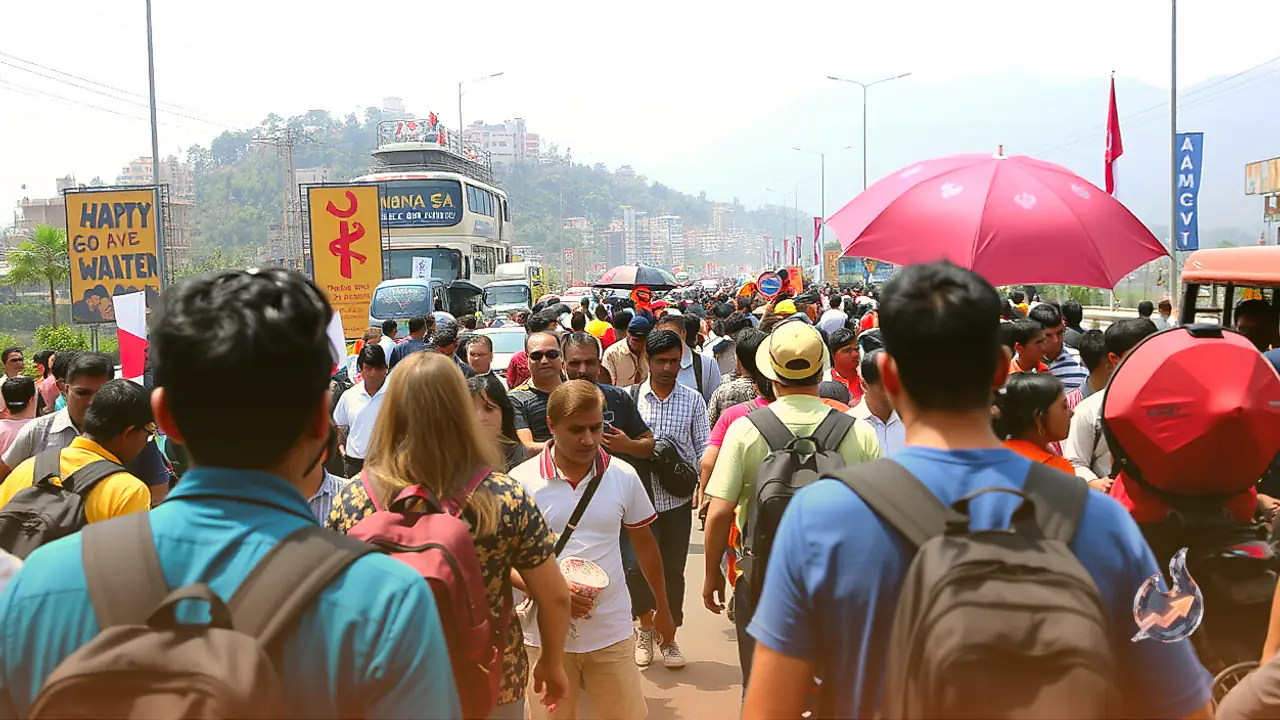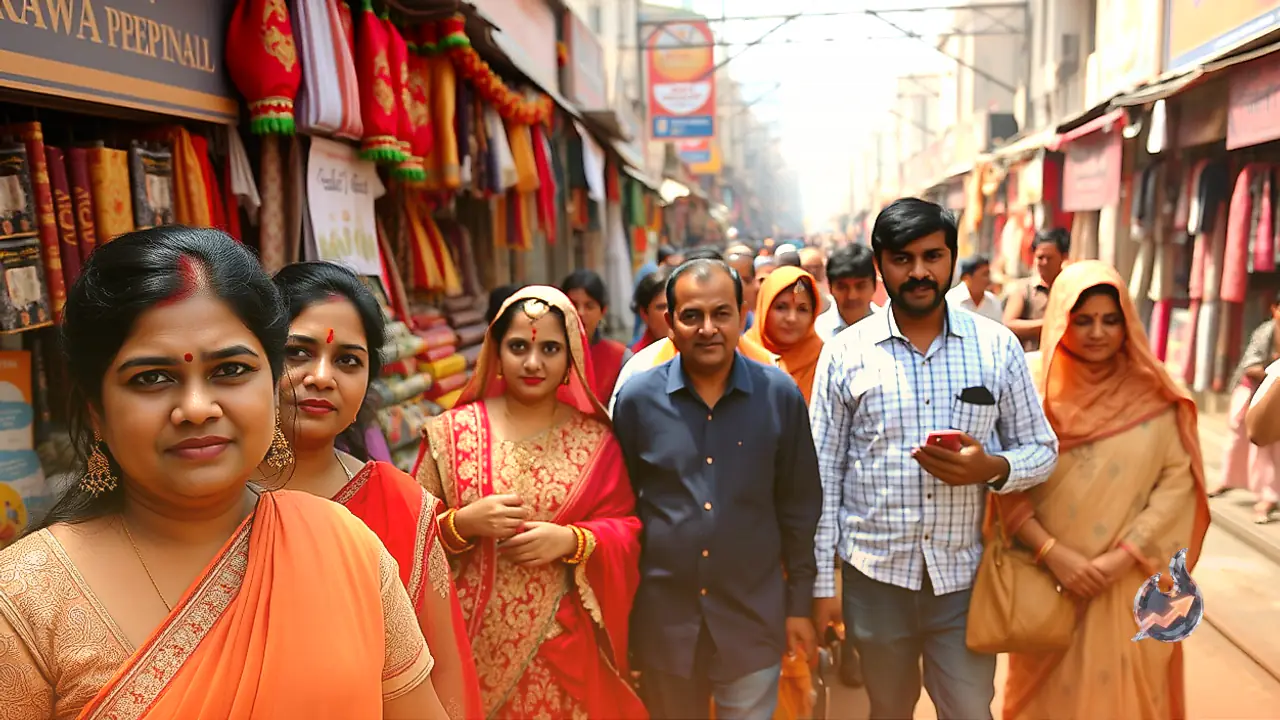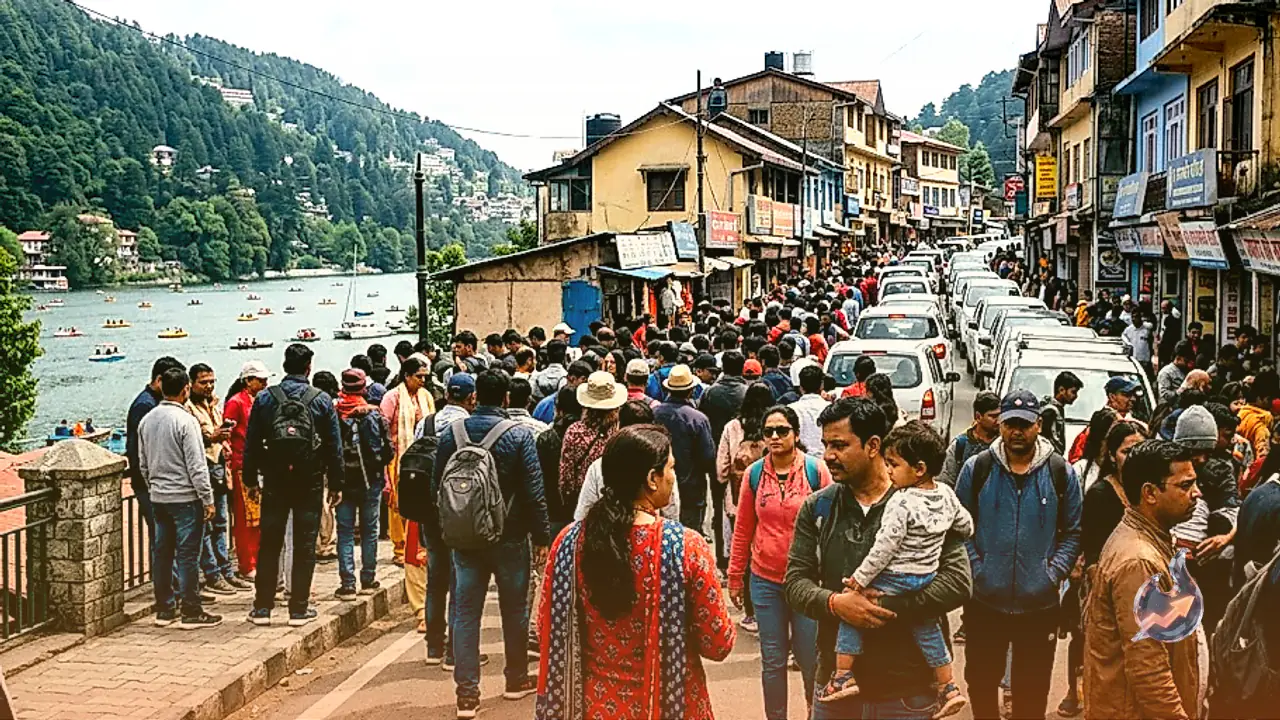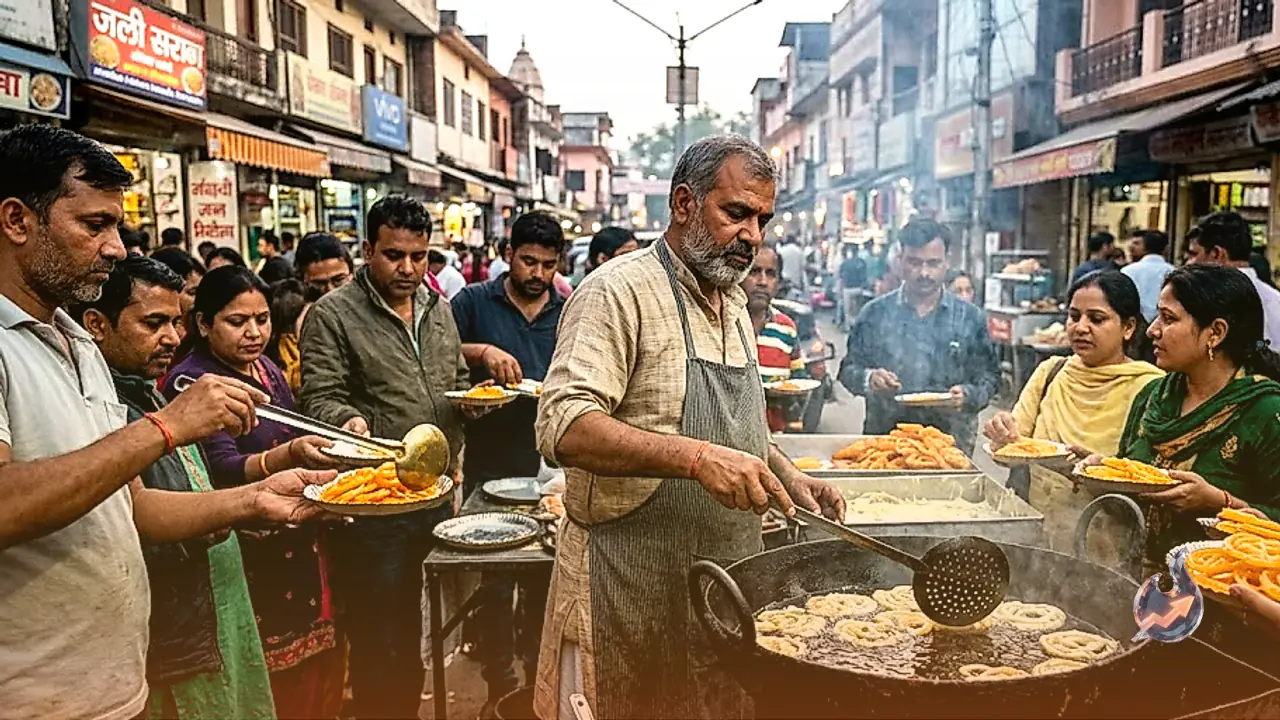



















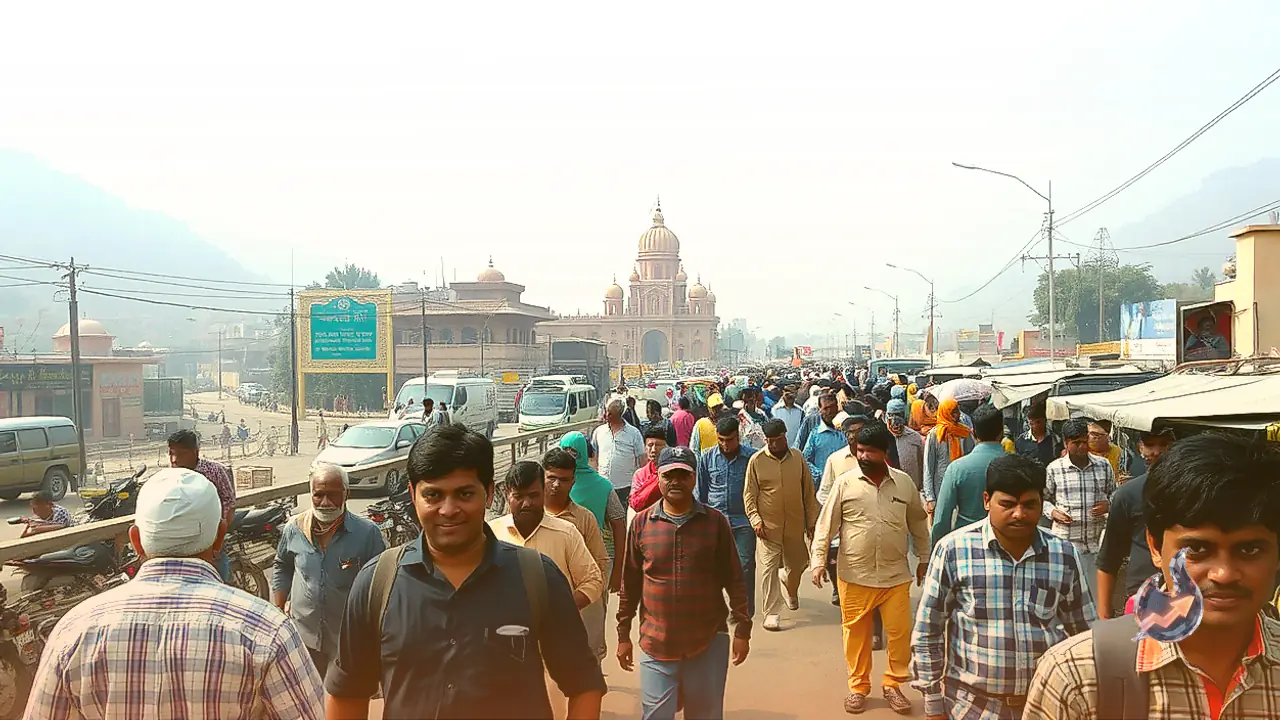

Upper Road, widely regarded as the central pulse of Haridwar, draws continuous footfall today from local residents and visiting tourists browsing its vibrant shops. Beyond its commercial identity, this stretch holds immense historical significance as the sole link connecting the northern plains to the Himalayan foothills. Decades ago, this corridor served as the primary thoroughfare linking Haridwar directly with Rishikesh. At present, the route extending from Upper Road through Bhimgoda, Kharkhari, and toward Dudhadhari Chowk has evolved into an exceptionally active and crowded commercial marketplace.
The Lone Passage Through Dense Forests for Himalayan Pilgrims
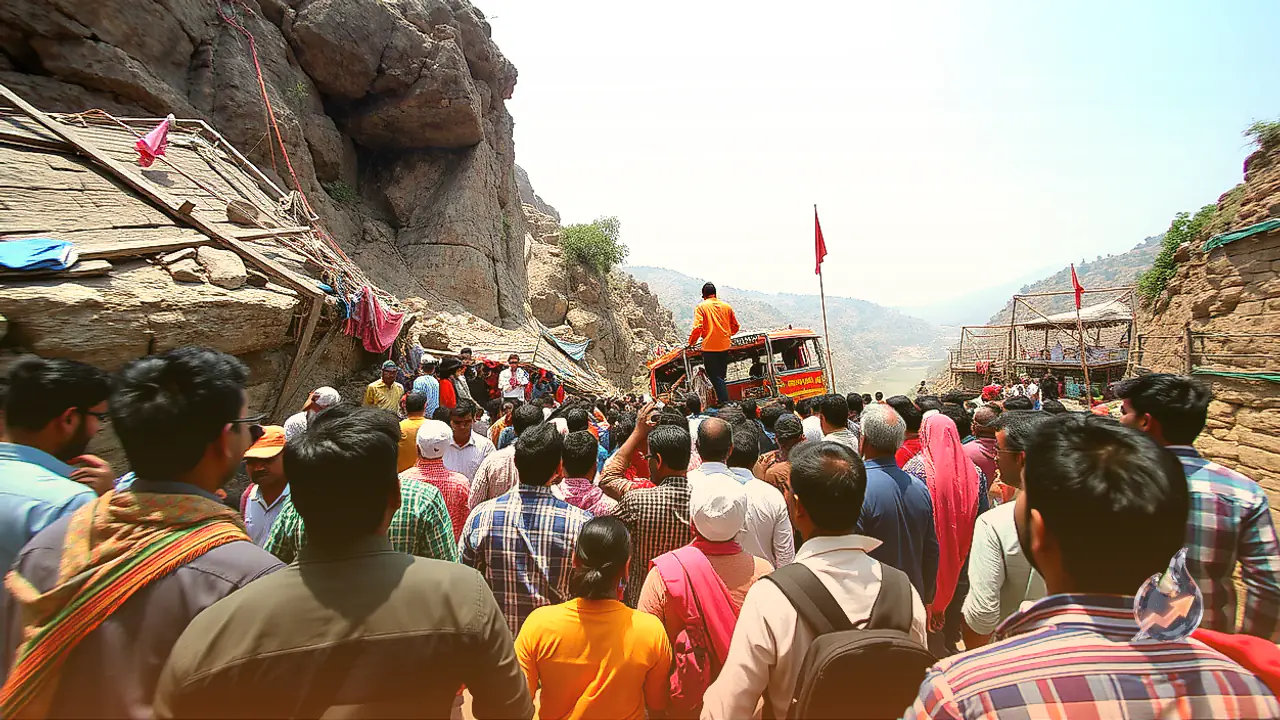
Where contemporary six-lane expressways and expansive bypasses now direct vehicular traffic, impenetrable jungle once covered the landscape. Known traditionally as the Haridwar-Rishikesh route, this single lane represented the only navigable path through the thick forest. Devotees arriving from across the country to embark on the demanding Char Dham yatra relied exclusively on this corridor to reach the higher hills. According to Rajiv Bhatt, a merchant based along the Kharkhari stretch, the area originally relied on a single roadway often referenced as the Haridwar-Roorkee road, with no alternate passage existing for anyone journeying up to the mountains.
Red City Buses, Horse Carriages, and Fading Memories
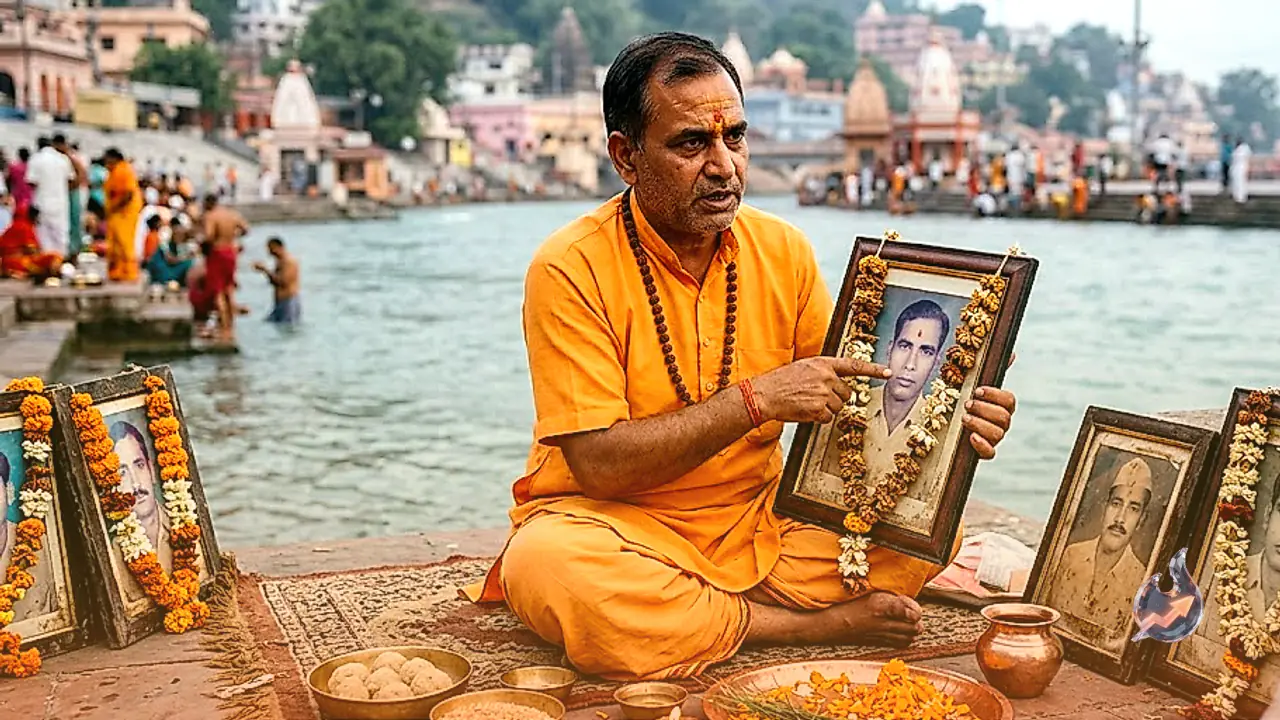
During that era, the flow of pilgrimage followed a traditional routine. Devotees would first take their sacred dip in the Ganga at Har Ki Pauri and then proceed along this specific path toward Dudhadhari Chowk, continuing forward into Rishikesh and the sacred shrines beyond. Rajiv Bhatt notes that red city transit buses and horse-drawn carriages served as the primary modes of transport along this road. With gradual urban development, engineers constructed modern highways and wider thoroughfares, which diverted regional transit and allowed the older corridor to transform organically into a sprawling retail market.
Transition to a Commercial Zero Zone
Ajay Arora, a local merchant and treasurer of the Bhimgoda Pradesh Vyapar Mandal, points out that the route starting at Har Ki Pauri was universally known as the Haridwar-Rishikesh road. Every vehicle and commercial bus, including the prominent red city buses, traversed this singular route because no other exit corridor connected the city to the hills. The modern highways came much later in the region's infrastructure timeline. Today, this entire historic stretch has been designated as a zero zone without dedicated vehicular parking facilities. Although modern commerce has reshaped the landscape into dense retail streets, long-time residents still recall it as the sacred pathway that once guided devout travelers toward their spiritual destinations.