



















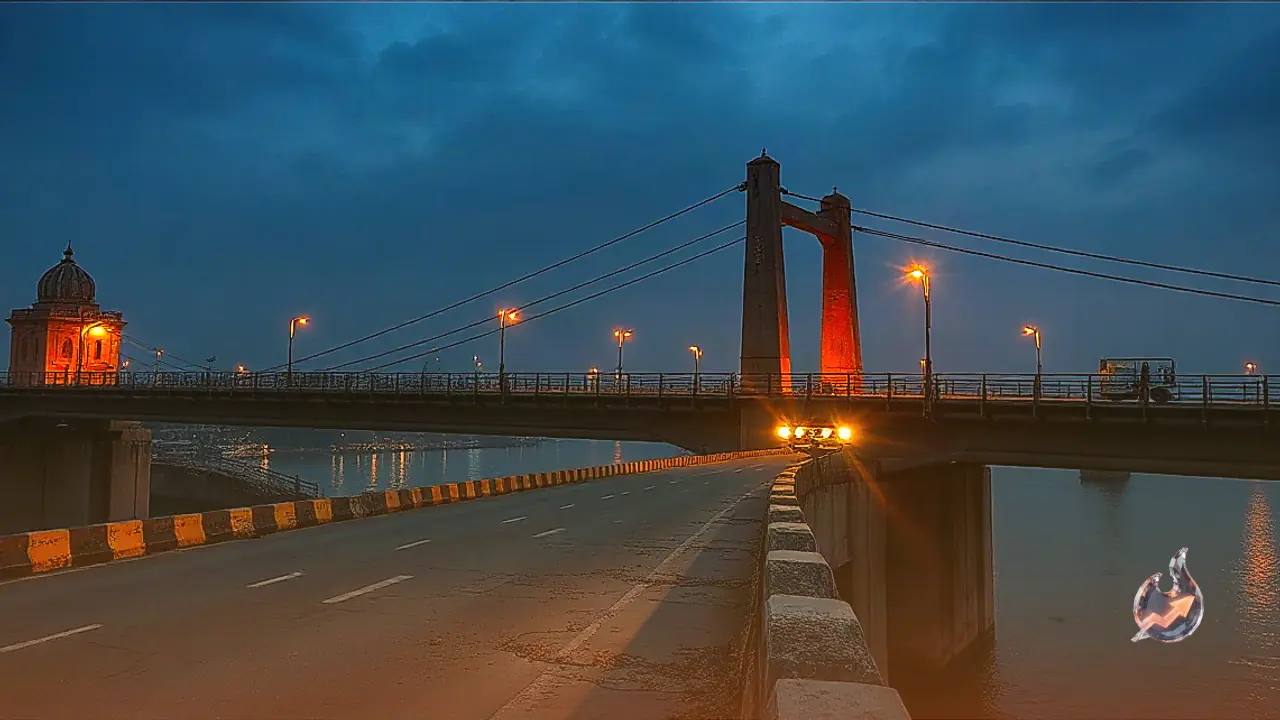

Authorities in Haridwar have taken decisive steps to safeguard the historic Lalita Rao Bridge, popularly known as Laltarao Bridge, which spans the Upper Ganges Canal at the city's key entry point near Chandi Chowk. To preserve the 172-year-old British-era masonry structure from further structural fatigue, the Uttar Pradesh Irrigation Department has mounted warning signboards and enforced a complete ban on heavy vehicle traffic over the crossing. While heavy commercial vehicles are now diverted elsewhere, light traffic including two-wheelers, auto-rickshaws, cars, and pedestrians are permitted to proceed with caution.
Structural Condition and Traffic Regulation Measures
The historic arch bridge, which has completed 172 glorious years of service, has begun showing clear signs of structural deterioration due to age, relentless exposure to weather elements, and decades of continuous heavy vehicular movement. As the primary gateway for vehicles entering Haridwar after crossing Chandi Chowk, the bridge bore an immense volume of traffic every day. Recognizing the growing vulnerability of the aging masonry, the Uttar Pradesh Irrigation Department, which exercises administrative control over the Upper Ganges Canal and its embankment bridges, intervened to secure the structure.
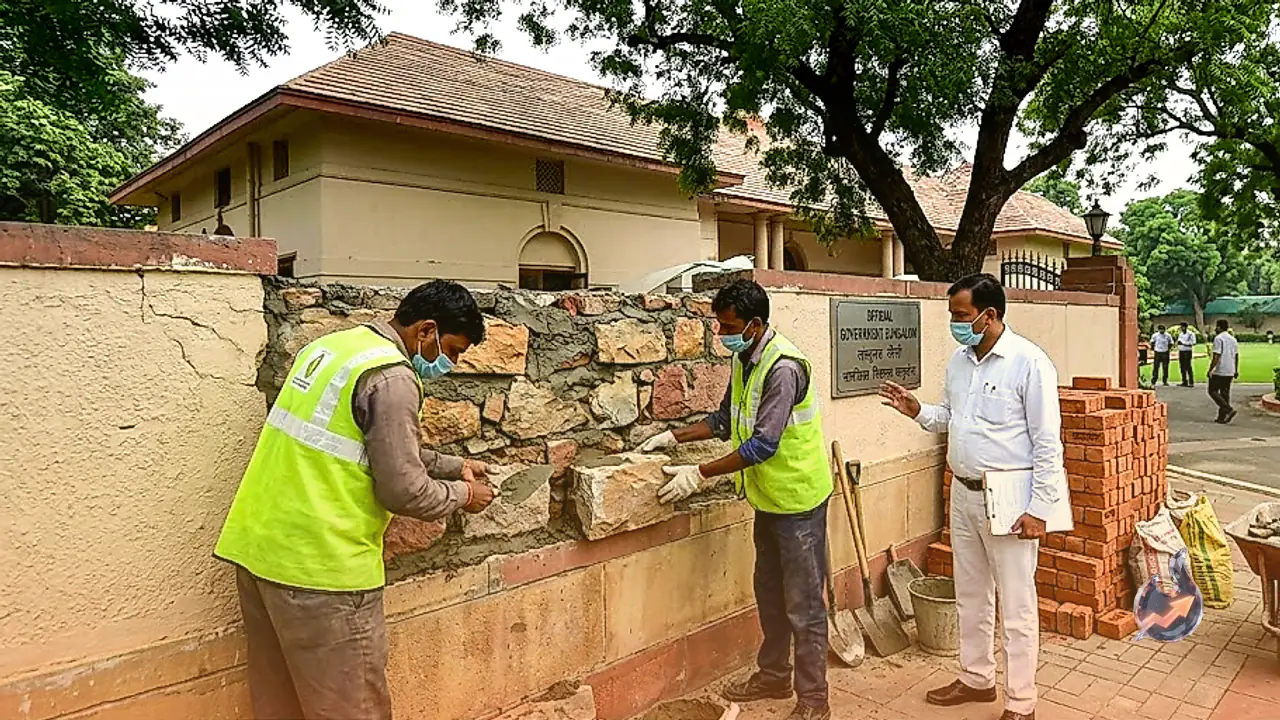
Under the new regulations, prominent warning signboards have been installed at the approach of the bridge to alert drivers. All heavy commercial transport, including multi-axle trucks, buses, and heavy freight carriers, has been prohibited from crossing. Light passenger vehicles such as cars, auto-rickshaws, motorcycles, and walking pedestrians continue to use the bridge under strict safety advisories, ensuring local connectivity remains unaffected while mitigating the risk of structural failure or accidents.
Construction History of the Upper Ganges Canal and the Arch Bridge
The legacy of the Lalita Rao Bridge is inextricably linked to the master engineering project of the Upper Ganges Canal in the mid-nineteenth century. In 1842, British engineer Sir Proby Thomas Cautley conceptualized a massive canal network originating from Haridwar to establish a reliable irrigation system extending all the way to Kanpur Dehat. The monumental project required nearly 12 years of grueling manual labor and engineering perseverance before the canal was completed in 1854.
The canal network was officially inaugurated in 1854 by the Governor-General Lord Dalhousie. As part of this comprehensive infrastructure scheme, several key connecting bridges were erected across the canal to maintain transportation links. The Lalita Rao Bridge was designed as an elegant arch structure crafted using traditional building materials. Constructed with a robust mortar blend of lime, surkhi (powdered burnt brick), and baked red bricks, the arch design distributed heavy weight efficiently across its span, allowing it to withstand more than a century and three-quarters of regular use.
Creation of a Parallel Bridge to Relieve Traffic Pressure
With the rapid urban expansion of Haridwar and the steep increase in regional vehicular movement over recent decades, the load on the historic single bridge grew unsustainable. To protect the ancient engineering marvel from collapsing under modern traffic demands, the government planned and constructed a modern parallel bridge a few years ago.
The completion of this modern alternative bridge proved to be a critical protective shield for the 1854 masonry landmark. Heavy vehicles entering the inner precincts of Haridwar were rerouted onto the sturdy new concrete structure, immediately relieving the historic bridge of extreme weight pressure. This strategic traffic management step extended the operational life of the vintage bridge while allowing local commuters convenient access.
Origins of the Name: Sacred Connection to Maa Lalita Devi Shrine
While local parlance has shortened the name to 'Laltarao', historical records clarify its sacred origin. Manoj Kumar, Curator of the Archaeological Museum at Gurukul Kangri Deemed University, Haridwar, explains that the actual title of the structure is Lalita Rao Bridge. The naming traces back to a revered local shrine.
According to Curator Manoj Kumar, after crossing the bridge from the Chandi Chowk side into Haridwar city, the road leading alongside the hill edge near the Post Office leads to the ancient temple of Maa Lalita Devi, situated roughly 200 meters ahead on the left-hand side. The bridge was named Lalita Rao Bridge in honor of this holy temple of Maa Lalita Devi, a detail that highlights the deep cultural geography embedded within the city's built heritage.
Preserving British-Era Engineering Traditions for the Future
Historical analysis emphasizes that the 1854 lime-surkhi arch structure remains a remarkable testament to nineteenth-century engineering capability. Standing proudly alongside modern reinforced concrete bridges, the 172-year-old structure demonstrates the extraordinary durability of traditional construction techniques and handcrafted masonry.
However, historical expert Manoj Kumar points out that despite its enduring exterior, long-term exposure to heavy loads has weakened the internal binding of the masonry. Implementing a strict ban on heavy vehicles is a vital measure to prevent irreversible damage. Preserving the Lalita Rao Bridge is essential not only as a functional transit route but also as an invaluable historic artifact depicting the technological journey of Haridwar. Local residents, municipal authorities, and visiting tourists must cooperate in protecting this historic landmark so that coming generations can continue to appreciate its architectural legacy.