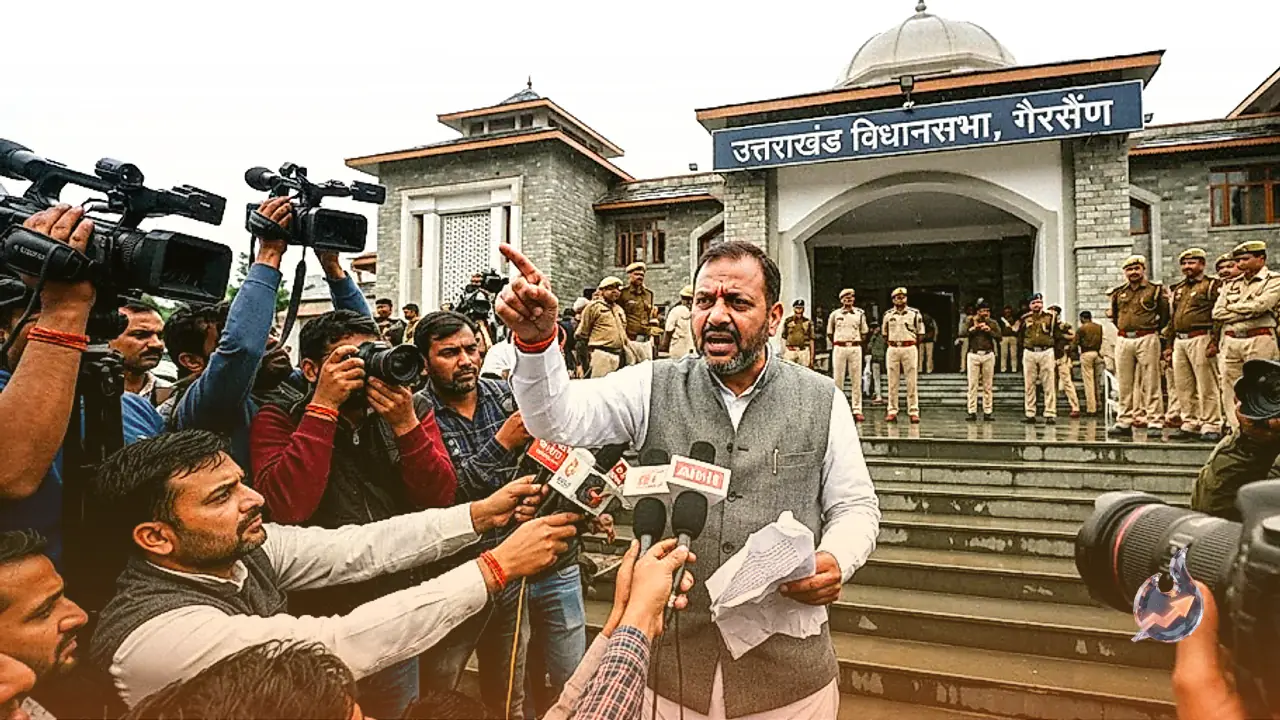

Escalating friction between local communities and wildlife across Uttarakhand has pushed existing animal holding facilities past their operational thresholds. Shelters originally designed to house problem animals, wounded predators, and abandoned cubs are operating far above capacity, complicating ongoing field operations. Official records between January 2000 and June 2026 document 1,320 human fatalities resulting from wildlife encounters across the state. Leopards alone accounted for 565 deaths and left 2,181 individuals injured during this timeframe, representing roughly 43 percent of all human casualties tied to wild animals. The state leopard population is currently recorded at approximately 3,000 individuals, maintaining persistent interaction along forested village peripheries.
Current Enclosures Exceeding Designed Limits
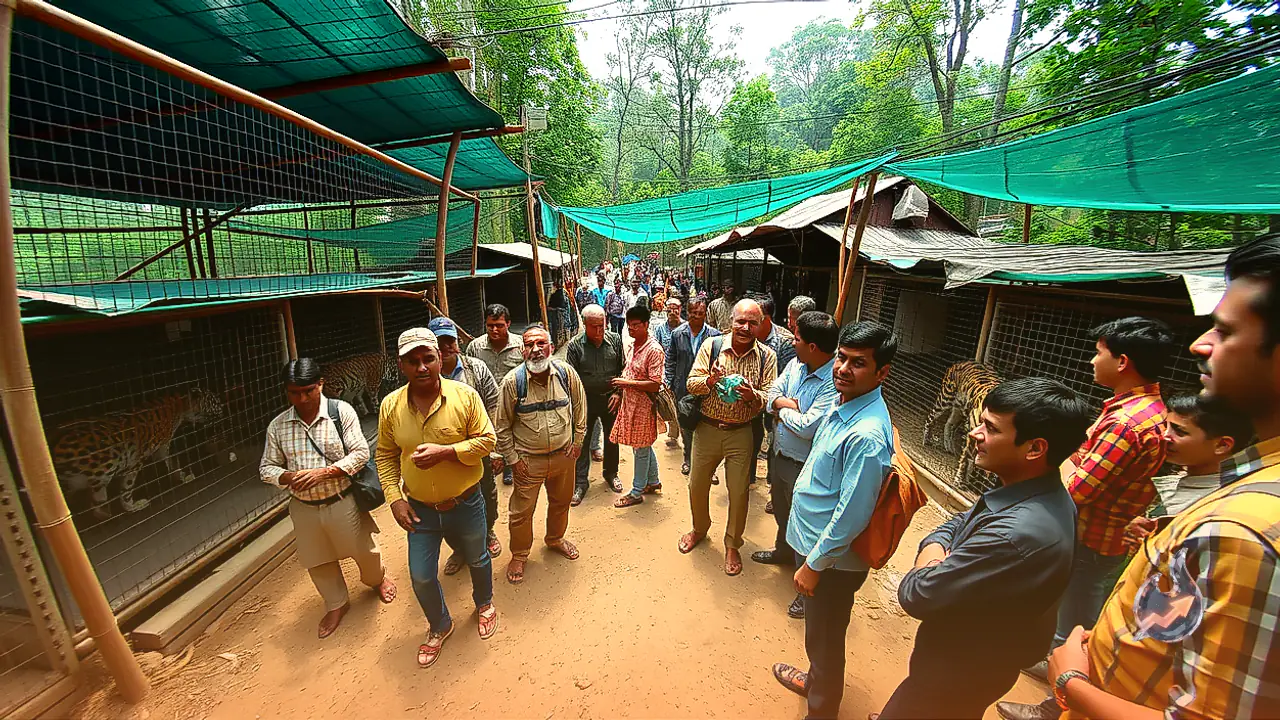
Presently, five active facilities across Uttarakhand accommodate a combined total of 73 leopards and 21 tigers. The Chidiyapur center under the Haridwar forest division faces the most severe congestion, housing 24 leopards against a designated operational threshold of just 14 to 15 animals. Meanwhile, the Dhela center within Corbett Tiger Reserve holds 20 leopards and 17 tigers. The Almora center houses 11 leopards, the Ranibagh rescue center under the Nainital forest division maintains 10 leopards along with 4 tigers, and the Dehradun facility accommodates 8 leopards. The pressure on local settlements remains continuous, exemplified by a recent incident in Chamoli district where a bear attacked and injured four members of a single household.
Factors Keeping Predators in Long-Term Captivity
A substantial proportion of the big cats confined in these facilities were trapped after being classified as man-eaters across diverse territorial divisions. Wildlife safety protocols prohibit releasing confirmed man-eaters back into natural habitats, effectively confining them for the remainder of their lifespans. Other inmates include beasts rescued with debilitating physical trauma requiring intensive medical procedures, as well as cubs brought in after being found orphaned in vulnerable areas. Because captive rearing strips young carnivores of hunting conditioning and instinctual fear of human activity, sustained rehabilitation within specialized enclosures remains the only viable alternative to keep them alive.
Proposal Submitted for 10 Regional Facilities
Under the existing setup, mountain districts lack immediate holding infrastructure, forcing response teams to transport trapped or injured carnivores across vast road distances. These protracted transfers escalate physiological stress on the animals, delay life-saving medical triage, and inflate logistical transportation expenses. To address these structural hurdles, a formal proposal was forwarded to the Central Zoo Authority (CZA) on June 19, 2026. The department aims to develop 10 decentralized regional rescue centers during the 2026-27 operational cycle, with each new installation engineered to accommodate eight leopards.
Sites Selected Across Hill and Plain Districts
The upcoming installations are designated for Rudraprayag, Chamoli, Bageshwar, Udham Singh Nagar, Almora, Pauri, Tehri, Pithoragarh, Champawat, and Uttarkashi. Approximately two hectares of forest department land have been earmarked for each proposed site. These facilities will feature specialized veterinary examination rooms, quarantine units, surgical treatment setups, and recovery spaces. Forest authorities have clarified that the upcoming regional centers will operate exclusively for animal triage, treatment, and containment, with public viewing or recreational zoo displays strictly excluded from their architectural scope.