





















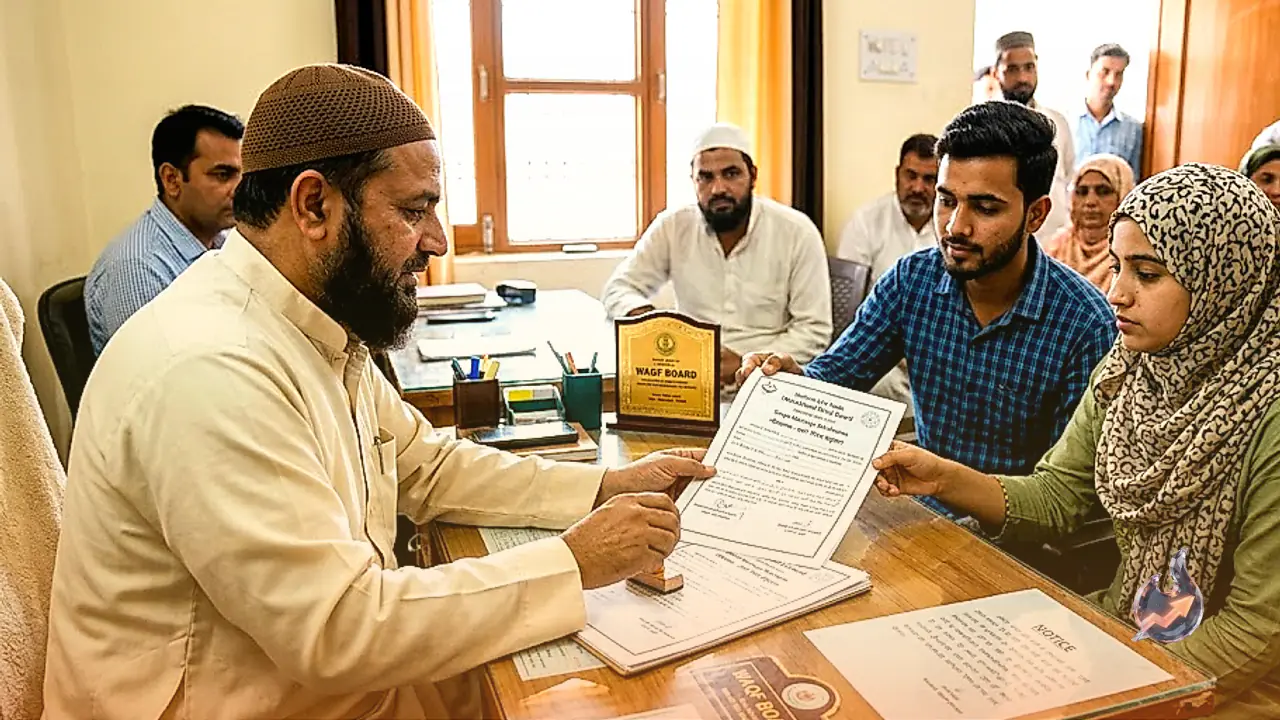

Following the formal implementation of the Uniform Civil Code in the state, the Uttarakhand Waqf Board has taken a landmark decision to overhaul the Muslim marriage documentation system. Under the new directives, the board will introduce a revised marriage contract, known as the Nikahnama, which will strictly accommodate details for only a single marriage. The board has made it clear that any attempt to contract a second marriage while the first spouse is alive, or without obtaining a valid legal divorce, will result in strict penal action under the law. Furthermore, it has been made compulsory for clerics and religious leaders conducting marriages across all mosques in the state to comply fully with these newly instituted regulations.
Key Revisions in the Nikahnama and Strict Ban on Polygamy
In accordance with the updated framework established by the Uttarakhand Waqf Board and the UCC provisions, all dedicated columns and references pertaining to a second, third, or fourth marriage have been entirely excised from the standardized Nikahnama. Consequently, only one marriage will be legally recognized at any given time within the state. Clerics and religious authorities have been instructed to refrain from solemnizing any secondary marriage proposals if the individual concerned has not legally dissolved their prior marriage. Anyone attempting to circumvent these rules, as well as clerics solemnizing unauthorized unions, will face formal legal prosecution and statutory punishment.
Mandatory Registration for Clerics and Government Certification
To enhance transparency and reinforce accountability within the marriage registration apparatus, the state government is establishing a comprehensive procedural mechanism. Under this forthcoming framework, only government-registered clerics will be legally empowered to perform marriage ceremonies in Uttarakhand. Additionally, following the solemnization of the ceremony by an authorized cleric, official government-level registration of the Nikahnama will be made strictly mandatory. This administrative measure aims to ensure robust documentation and eliminate unlawful or unregistered marital practices.
Implementation of UCC in Uttarakhand and Broader Legal Impact
Uttarakhand holds the distinction of becoming the first state in India to officially roll out the Uniform Civil Code, having implemented the legislation in January 2025. Across the country, the debate surrounding the UCC continues to gather momentum, with several other states currently assessing or preparing for its eventual implementation. The core objective of the Uniform Civil Code is to establish a uniform legal framework governing all citizens regardless of their religious affiliation, caste, or gender identity. Once enacted, it harmonizes personal laws related to marriage, divorce, live-in relationships, and child adoption rights under a single code. The government's decision in Uttarakhand is highlighted as a transformative step toward establishing legal equality and social reform across the region.