



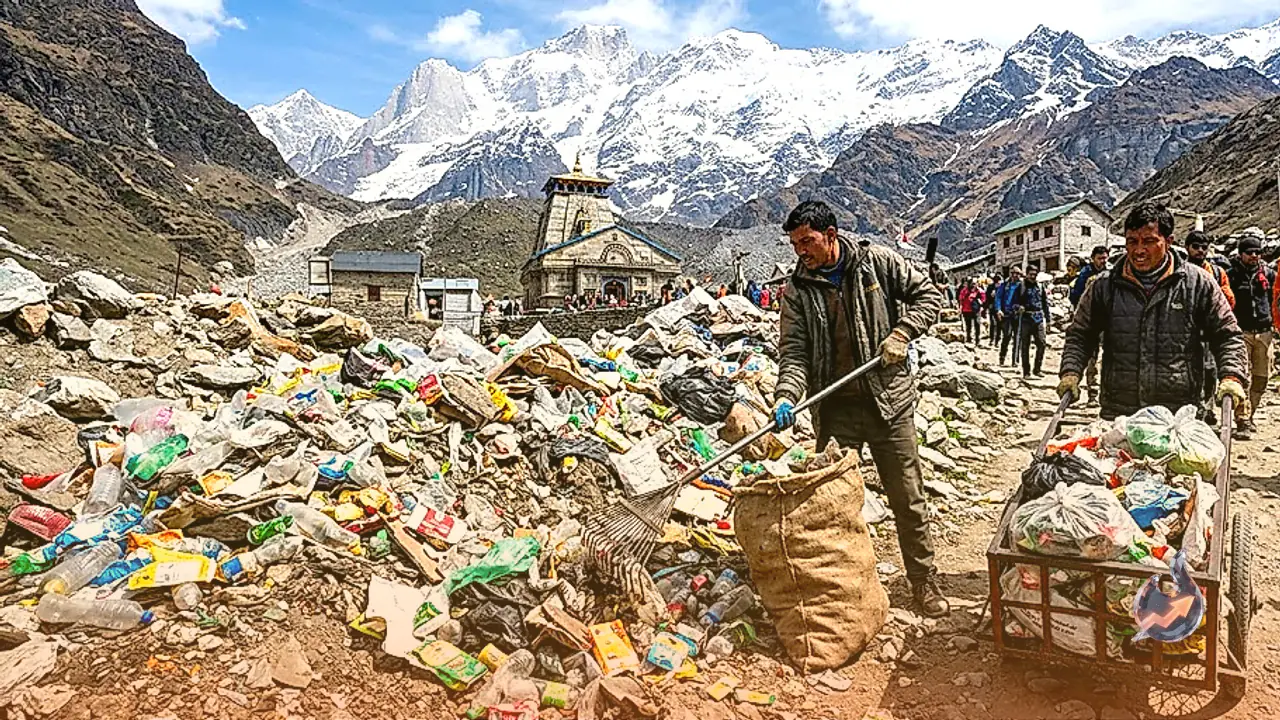

















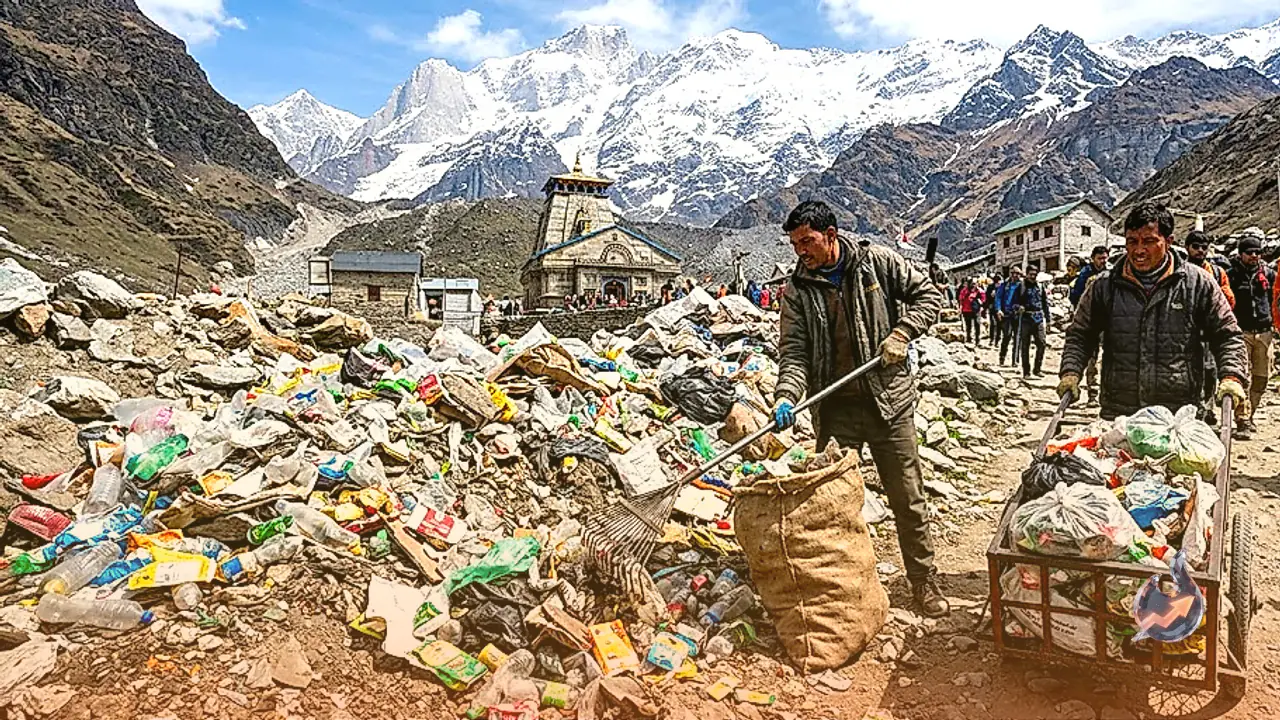

A sharp increase in visitor footfall at Kedarnath Dham in the Rudraprayag district of Uttarakhand has led to an unprecedented accumulation of waste in the high-altitude Himalayan shrine area. During the initial five-month stretch between April and August 2026, the temple vicinity generated 50.30 metric tonnes of refuse. This volume exceeds the total garbage collected over the entire pilgrimage season of the previous year by more than two and a half times. The accumulation of such large amounts of trash poses a severe challenge to the delicate ecological balance of the region.
RTI Response Brings Official Numbers to Light
These waste management figures were disclosed by the Kedarnath Nagar Panchayat in response to a query filed under the Right to Information Act. The request had been submitted by Amit Gupta, an RTI activist based in Noida, Uttar Pradesh. Official municipal records state that the refuse produced in just the first five months of 2026 surpassed the full-year waste totals recorded in each of the preceding three years. The disclosure highlights the mounting strain placed on civic facilities in this fragile mountain destination.
Sharp Increase Over Preceding Three Years
Data provided by the local civic body shows that Kedarnath generated 32.58 metric tonnes of waste across the entirety of 2023. In 2024, the full-year figure dropped to 26.10 metric tonnes, and in 2025 it fell further to 21.40 metric tonnes. In stark contrast, the April to August period of 2026 alone recorded 50.30 metric tonnes. When evaluated in percentages, the volume generated in these five months of 2026 is approximately 54 percent higher than the entire year of 2023, roughly 93 percent above 2024, and nearly 135 percent greater than the total recorded for 2025.
Month-by-Month Breakdown of Refuse Generation
The municipal documents also detailed the month-wise distribution of trash during the ongoing pilgrimage. The season began in April with 1.7 metric tonnes of waste collected. Footfall intensified significantly in May, pushing the month's total to 16.3 metric tonnes. The volume subsequently stood at 11.5 metric tonnes in June, 10.5 metric tonnes in July, and 10.3 metric tonnes in August. The figures demonstrate that through the peak months of May, June, July, and August, the site consistently produced over ten metric tonnes of solid waste every month.
Plastic Waste Treatment and Landfill Status
The Nagar Panchayat specifically detailed the handling of non-biodegradable waste, revealing that roughly 20 metric tonnes of the 2026 total consisted of plastic refuse. Of this amount, 18.5 metric tonnes, representing 92.5 percent, has been processed, leaving approximately 1.5 metric tonnes awaiting treatment. Regarding disposal capacity, the civic authority indicated that the total landfill area at Kedarnath spans 30,000 square feet, of which 28,000 square feet of usable capacity currently remains available. The administration further noted that four landfill sites were constructed in Kedarnath over the preceding five years.
Arrival of 1.5 Million Pilgrims Drives Civic Pressure
Commenting on the disclosed records, Amit Gupta pointed out that relying heavily on landfills in an eco-sensitive Himalayan pocket raises critical ecological concerns, particularly when visitor volumes remain high. Around 1.5 million pilgrims have already visited Kedarnath this year. Gupta stated that the RTI data illustrates the immense pressure bearing down on local waste management operations. He stressed that generating multiples of previous seasons' waste within just five months represents a grave threat to the mountain ecosystem, noting that pilgrims and visitors bear primary personal responsibility for maintaining cleanliness at this revered site.