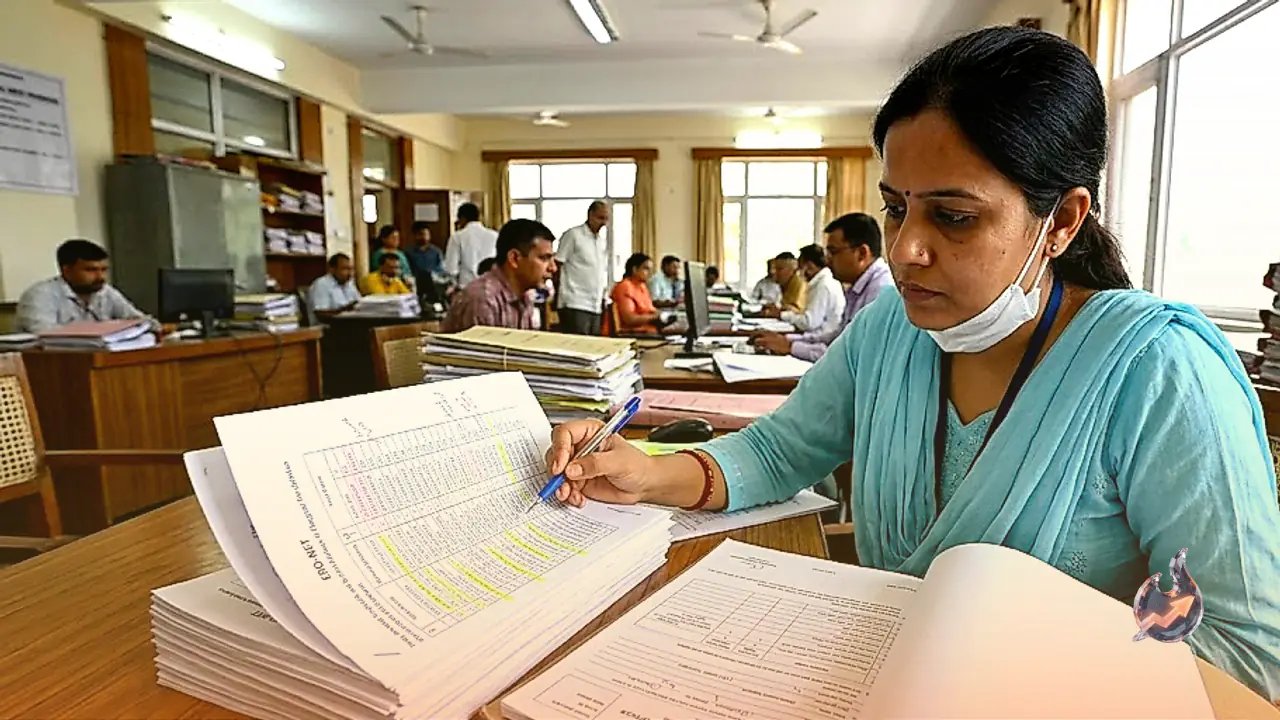
























A recent health development in Pithoragarh highlights the ongoing necessity of reinforcing accurate community awareness around human immunodeficiency virus. HIV is a pathogen that specifically attacks and gradually weakens the body's natural immune defense mechanisms. When identified at an early stage and managed with appropriate medical care, individuals living with the virus can lead healthy and active lives. Protecting oneself and others requires a clear understanding of biological transmission routes, initial warning signs, emergency preventive protocols, and the critical timing of diagnostic examinations.
Transmission Pathways Versus Harmless Everyday Contact
According to Dr. Savitri Shukla, a medical practitioner stationed at Bageshwar District Hospital, casual interpersonal contact carries zero risk of transmission. Routine social interactions such as shaking hands, embracing, sitting together, sharing meals, and occupying common spaces are completely safe and do not spread the virus.
Transmission takes place strictly through direct contact with specific infectious fluids: contaminated blood, semen, vaginal secretions, and breast milk from an infected parent. The most common risk factors include unprotected sexual activity, the sharing or reuse of contaminated needles and syringes, and the transfusion of unscreened blood products. Maintaining personal safety requires consistently using condoms correctly during intimate contact, insisting upon fresh disposable syringes in every clinical setting, and utilizing only thoroughly screened blood for transfusions. Furthermore, individuals must avoid sharing razors, blades, and any personal grooming items that might come into contact with blood.
Early Clinical Signs and the Necessity of Diagnostic Testing
During the earliest phase following infection, a large number of individuals do not present any noticeable outward symptoms. In some instances, however, individuals may develop mild, flu-like signs within the opening weeks of exposure. These early manifestations can include low or high fever, headaches, a sore throat, mild skin rashes, and general body fatigue.
If the infection remains undetected and advances over time, individuals might begin to experience unintentional weight loss, persistent fever, prolonged episodes of diarrhea, a chronic cough, and swollen lymph nodes. Nevertheless, clinical diagnosis can never be established solely on the basis of physical symptoms. Undergoing a validated laboratory test represents the only dependable method to confirm an individual's actual viral status.
The Critical 72-Hour Window: Post-Exposure Prophylaxis
In scenarios where an individual experiences potential exposure to high-risk fluids, such as through unprotected sexual intercourse, condom breakage, or an accidental needle-stick injury, immediate medical intervention is essential. Healthcare professionals address these urgent situations by recommending Post-Exposure Prophylaxis, commonly known as PEP.
PEP consists of a specialized course of antiretroviral medications engineered to halt viral replication and significantly minimize the risk of infection taking hold within the body. The effectiveness of this regimen is strictly tied to how quickly it is initiated. PEP must be started within a maximum window of 72 hours, or three days, following suspected exposure, with earlier administration offering far superior protection. The medication regimen generally spans 28 days of continuous administration, though specific drug decisions are determined exclusively by a medical professional after a careful clinical risk evaluation. Individuals must never attempt to self-prescribe or purchase these medications without professional guidance.
Understanding the Diagnostic Window Period
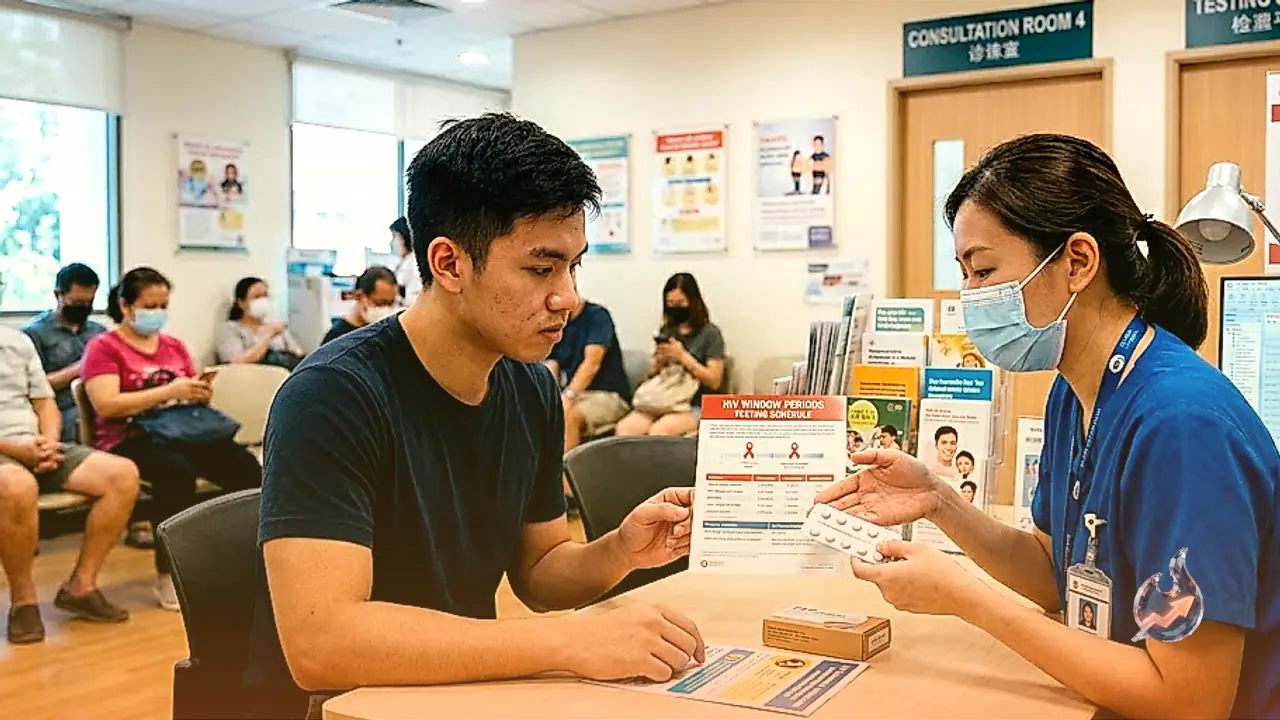
Undergoing a screening test immediately after a high-risk incident can yield a negative result that creates a dangerous sense of false security. This occurs because of the diagnostic window period, which represents the timeframe during which the virus is already active in the body but cannot yet be picked up by standard laboratory assays measuring viral markers or antibodies.
Because different diagnostic technologies operate with varying detection windows, an initial negative result should not be treated as a definitive health clearance. Consulting a physician to establish an appropriate testing timetable and scheduling necessary follow-up evaluations ensures an accurate long-term assessment.
Confidential and Cost-Free Public Screening Infrastructure
Within the Indian public healthcare framework, integrated counseling and testing centers provide HIV screening along with pre- and post-test counseling free of charge. Citizens can access these services by visiting testing units situated in nearby government district hospitals or medical colleges. A central pillar of these public centers is absolute confidentiality: personal names, identities, and medical outcomes are kept entirely secure. Individuals can verify operational hours directly with their local center. Additionally, timely screening during pregnancy remains vital, allowing medical teams to institute proactive measures that protect both the mother and the unborn infant from transmission.
National Guidance via the 24-Hour 1097 Helpline
For verified clinical information, personalized counseling, or locating the nearest testing and treatment facility, the public can reach out to the toll-free helpline 1097, established by the National AIDS Control Organisation. The support line operates continuously, providing 24-hour guidance. Replacing unfounded panic and social prejudice with evidence-based medical knowledge, timely diagnostic testing, and professional clinical care remains the most reliable strategy for protecting personal and community well-being.