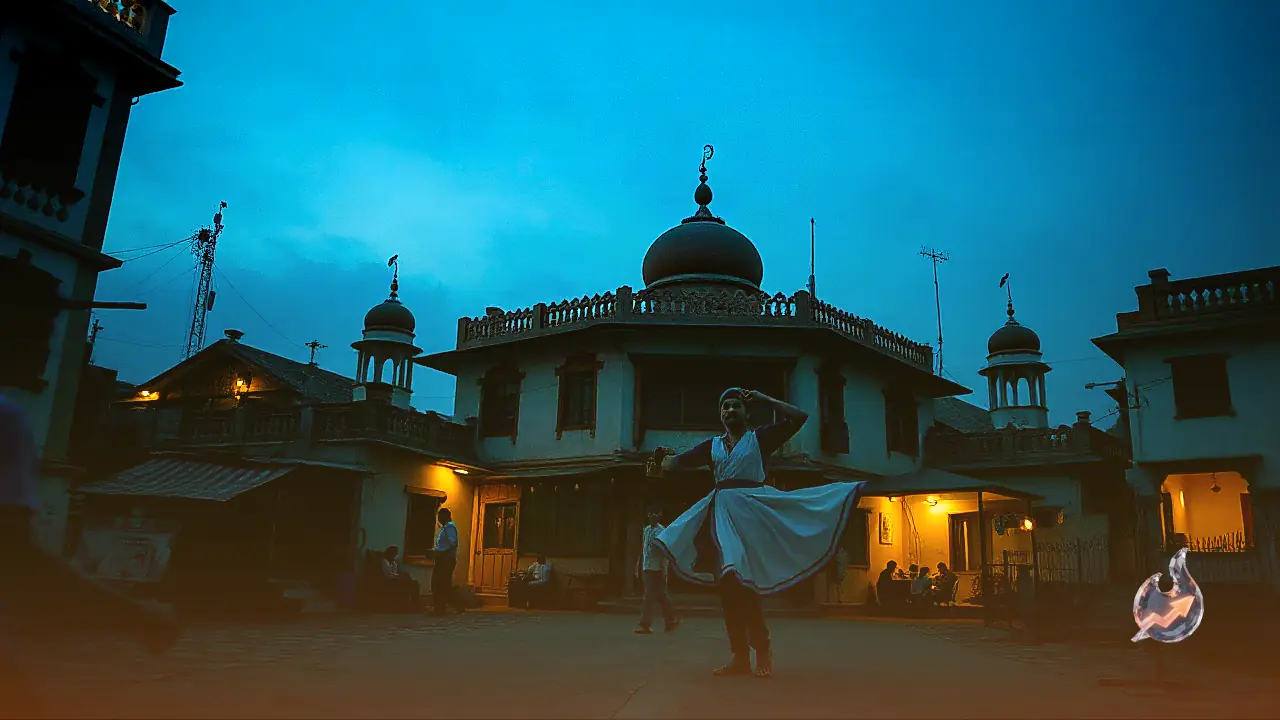














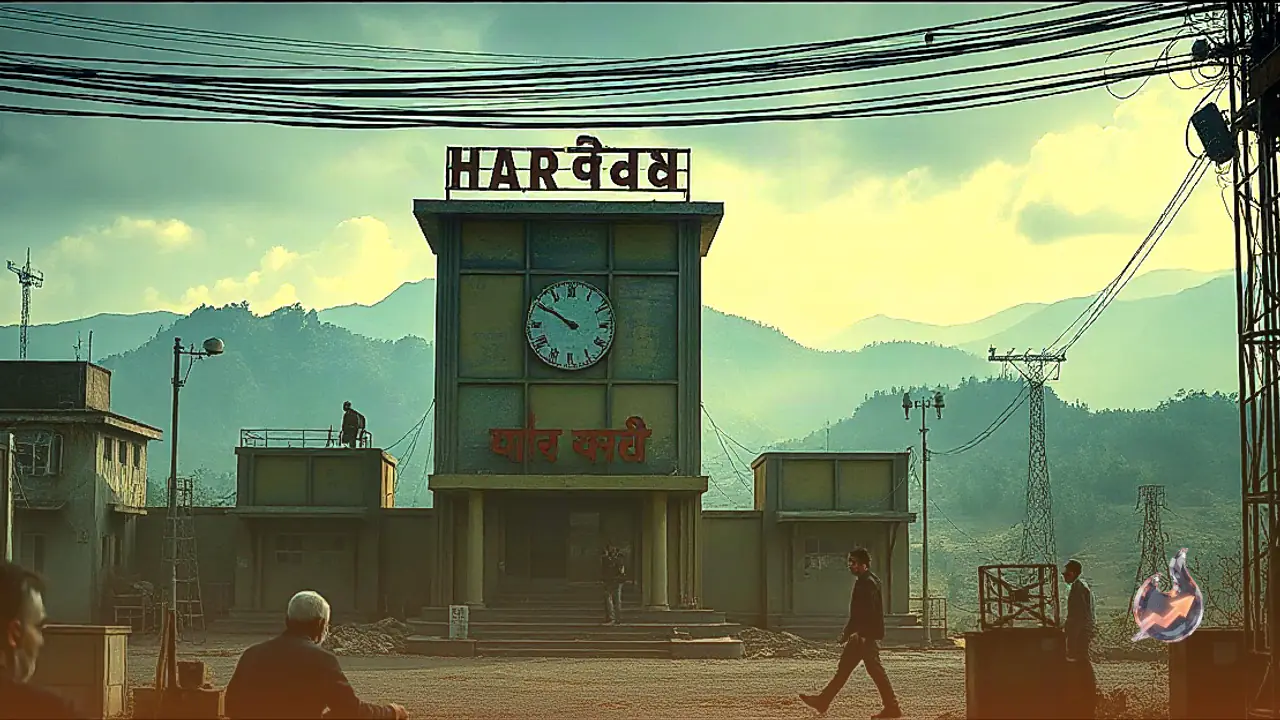

A photograph does more than capture a visual scene; it freezes time and documents the passage of entire eras. For Vivek Bhatia, a veteran resident of Dehradun, life has remained inextricably linked with the camera for half a century. While most five-year-olds are occupied with toys, young Vivek was already observing the quiet alchemy of images appearing in a chemical darkroom. Watching his father turn film strips into clear paper portraits instilled in him an early fascination with the craft. Today, five decades later, his passion for documenting the hills and lanes of the valley remains as vibrant as ever.
Military Service to a Studio in Race Course in 1976
The foundation of this lifelong pursuit was laid by his father, who originally served in the Indian Army. Enlisting at a young age, he dedicated approximately 14 years to military service before opting for voluntary retirement to return home. Seeking a new civilian profession, he mastered camera techniques and officially launched a photography studio in 1976 in the Race Course area of Dehradun. The establishment was equipped with a dedicated shooting studio alongside a processing darkroom.
During that period, mobile devices and handheld consumer technology did not exist. Anyone across the town needing an official portrait, a family memento, or an event record had to visit a studio in person. Vivek was just five years old when he started lingering around the workspace, observing his father manipulate film negatives and chemicals to produce finished prints, sparking a curiosity that soon became a calling.
Sleepless Darkroom Nights and Mastering the Lens by Age 15
Customer demand frequently peaked, creating an intense workload where his father barely found moments to eat or sleep. Film development required uninterrupted concentration, and entire nights were routinely spent inside the sealed darkroom developing sheets and paper. Witnessing his father's relentless labor, Vivek resolved to assist. Each day, immediately after completing his school classes and academic homework, he headed straight to the Race Course shop.
Initial duties involved minor errands and prep work, but hands-on immersion soon taught him the technical intricacies of shutter speeds, negative creation, and chemical bath processing. By the time he turned 15, Vivek had transformed from a helper into a full-fledged photographer. He could independently handle cameras, frame subjects accurately, develop film rolls, and produce finished prints without supervision.
Carrying the Legacy Forward Across Technological Eras
What began as an effort to ease his father's physical burden quickly grew into an enduring vocation. Following his father's passing, Vivek took over complete ownership and daily management of the studio. Over the years, the photography landscape experienced radical shifts. The traditional era of manual analog bodies, film spools, and chemical trays gave way to instant digital sensors, memory storage, and modern computational imaging.
Rather than resisting these technological disruptions, Vivek embraced continuous learning, mastering modern digital photography methods to keep the legacy thriving. Today, he remains actively engaged in the digital era. While photographic equipment has evolved from chemical baths to digital pixels over these 50 years, his love for walking the streets and mountain landscapes of Dehradun with a camera in hand remains as steadfast as it was in his childhood.