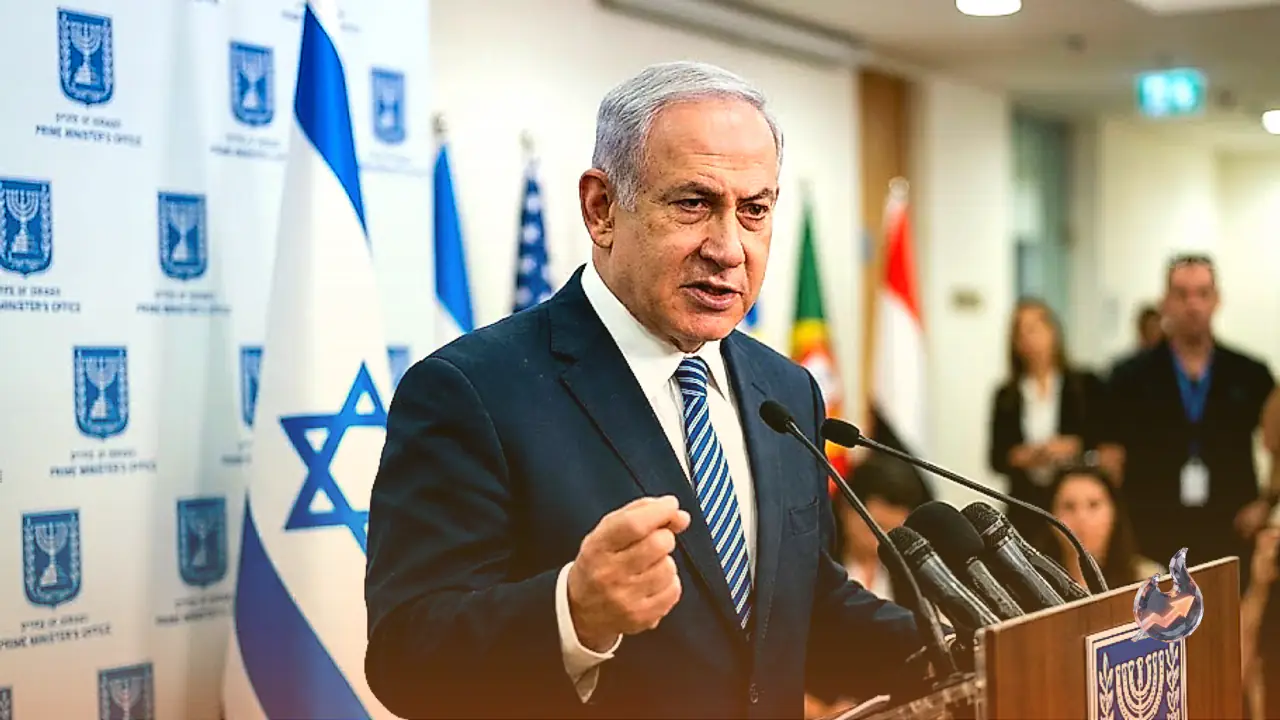























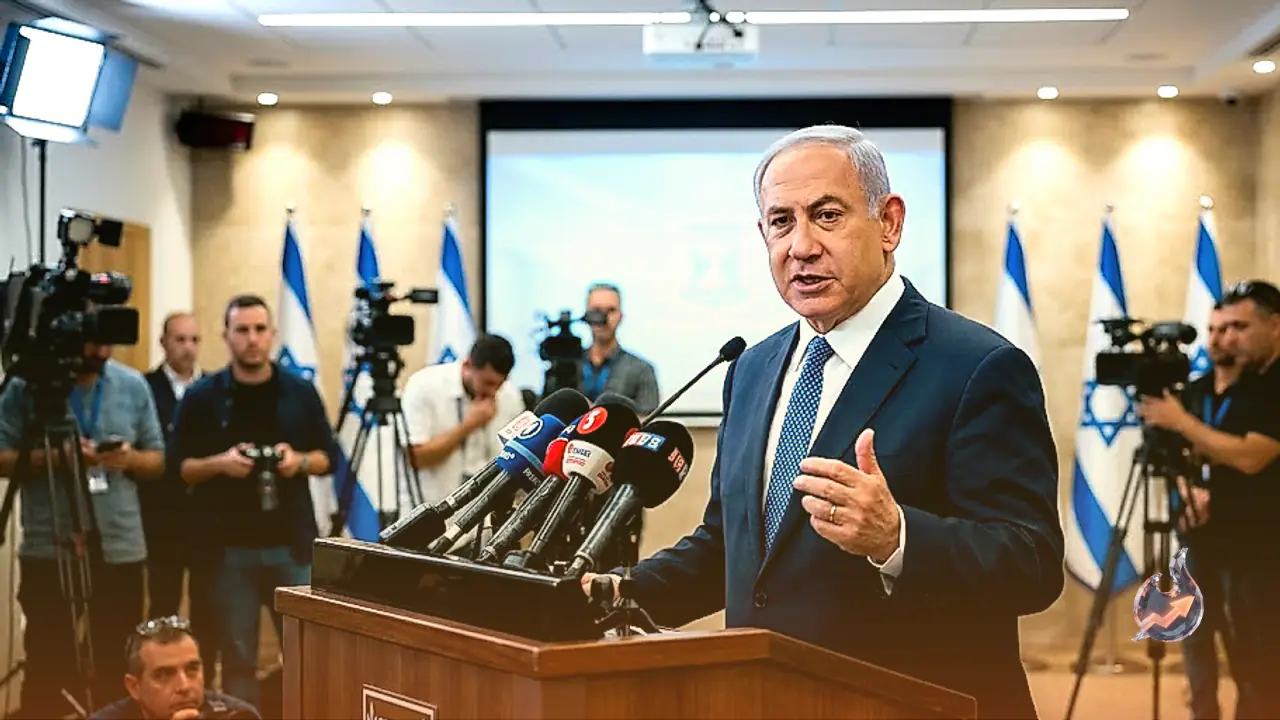

Prime Minister Narendra Modi and Israeli Prime Minister Benjamin Netanyahu recently held a detailed telephonic conversation to evaluate the evolving situation in West Asia and review the ongoing advancements in their bilateral strategic relationship. Following their dialogue, Netanyahu publicly expressed his gratitude to the Indian leader on Saturday, emphasizing a joint commitment to continuously strengthen cooperation and deepen ties between the two nations.
Reaffirming the India-Israel Strategic Partnership
The recent high-level dialogue was initially disclosed by Prime Minister Narendra Modi in a social media message on X, where he shared details regarding the telephone call received from the Israeli Prime Minister. An official release from the Indian Prime Minister's Office (PMO) subsequently confirmed that both leaders undertook a comprehensive review of the ongoing progress within the special strategic partnership connecting India and Israel. During the interaction, both sides reiterated their shared dedication to expanding bilateral collaboration across diverse sectors for mutual benefit, while agreeing to remain in regular contact as regional conditions evolve. Responding to the Indian Prime Minister's message, Benjamin Netanyahu shared the post on Saturday with a note of thanks, writing on X, "Thank you, my friend, Prime Minister of India Narendra Modi. Together we continue to strengthen the relationship between Israel and India."
Escalating Regional Tensions in West Asia
This diplomatic engagement comes at a delicate juncture, as West Asia remains engulfed in an extended conflict that has persisted for over five months without a clear resolution. Security conditions across the region continue to fluctuate rapidly, underscored by recent military developments on multiple fronts. In Lebanon, two Israeli soldiers were recently reported killed during ongoing operational engagements. Concurrently, broader geopolitical friction continues to impact regional security dynamics, maintaining high alert levels across surrounding territories.
Energy Security and Strategic Maritime Routes
Alongside the military updates, critical developments have emerged regarding key energy transit routes in the Middle East. On Thursday, Iran announced that it was entering the final stages of drafting a formal agreement with Oman concerning the Strait of Hormuz. Situated at the narrow entrance of the Persian Gulf, this strategic waterway represents one of the most vital conduits for international maritime shipping and global energy supplies. The significance of the passage was underscored prior to February, when military strikes conducted by the United States and Israel against Iranian targets disrupted regional stability. Before those February strikes, approximately 20 percent of the world's total petroleum and natural gas shipments transited through this strategic maritime choke point, underscoring its pivotal role in global economic stability.