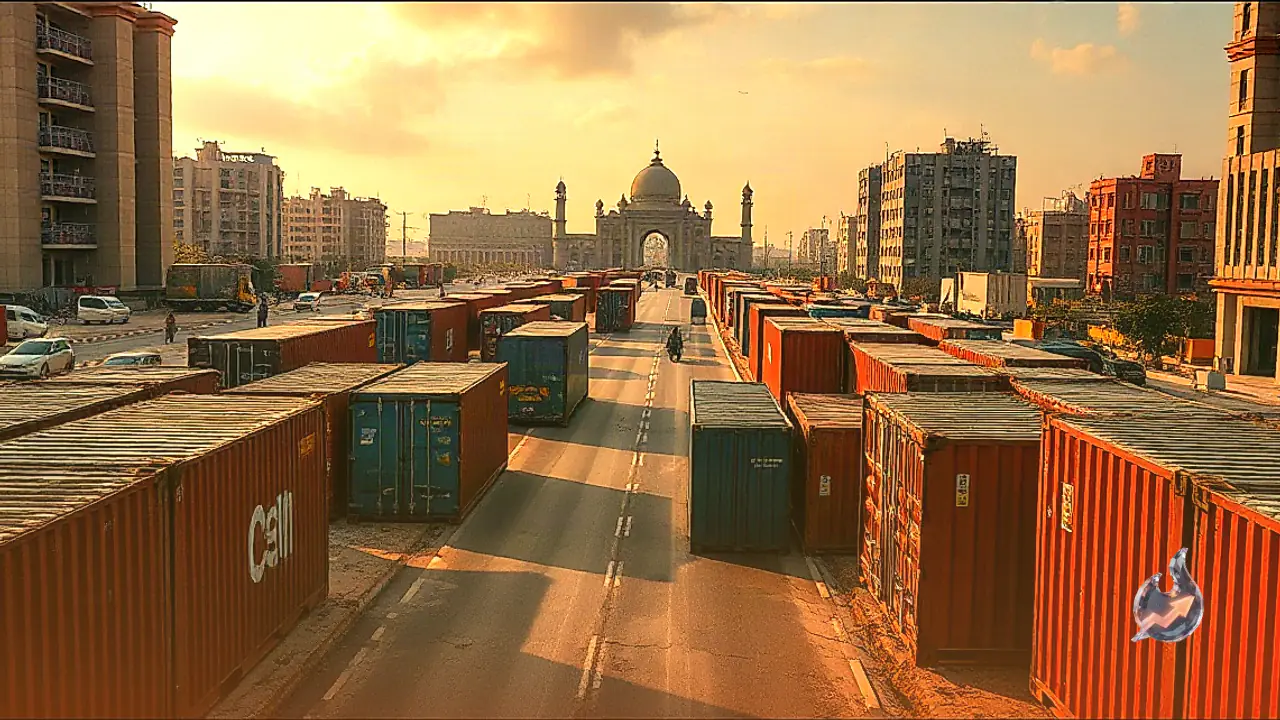























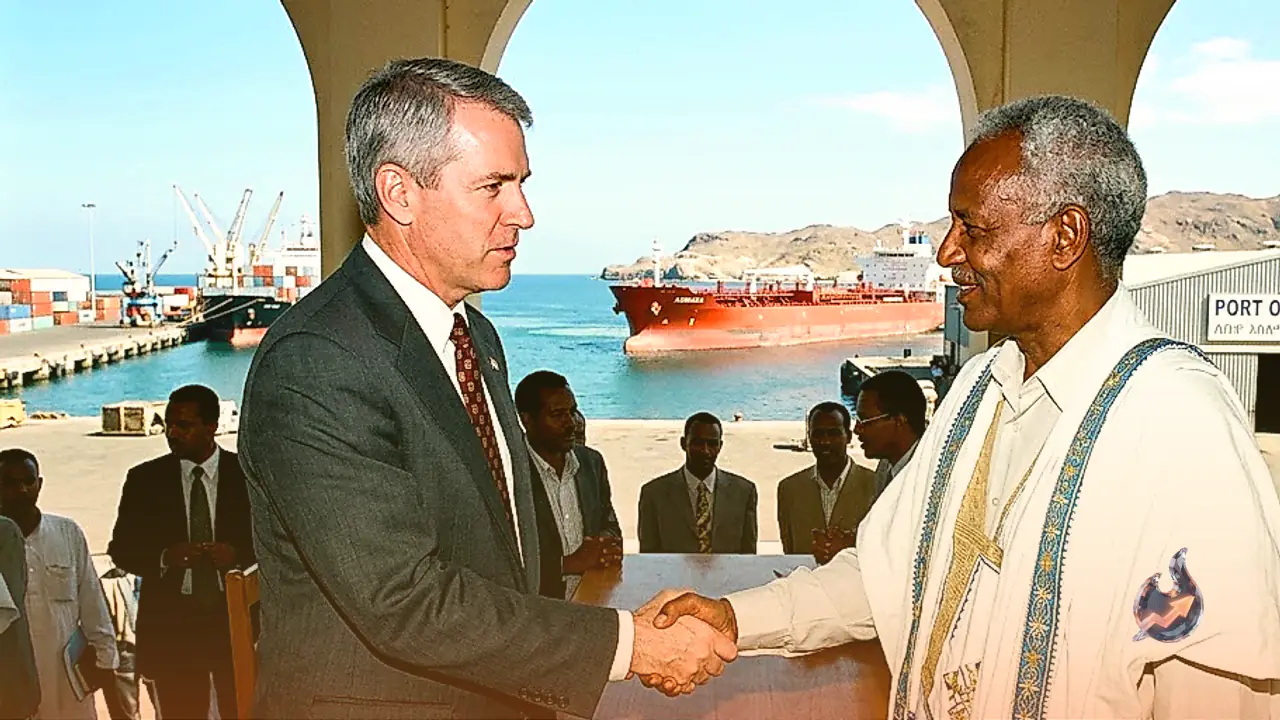

A deepening global energy crisis and severe frictions surrounding crude oil distribution networks have placed international maritime commerce under unprecedented pressure. Commercial transit across two of the planet's most indispensable maritime chokepoints, the Strait of Hormuz and the Red Sea, faces mounting operational perils. These disruptions have triggered sharp spikes in motor fuel prices across worldwide markets while exerting persistent headwinds against the broader global economy. In response to these vulnerabilities, Washington has crafted an unconventional geopolitical initiative designed to cultivate an alternative maritime lifeline. Under this strategic pivot, US President Donald Trump has moved quickly to rebuild diplomatic ties with the African littoral nation of Eritrea.
From Comprehensive Sanctions to Strategic Alignment
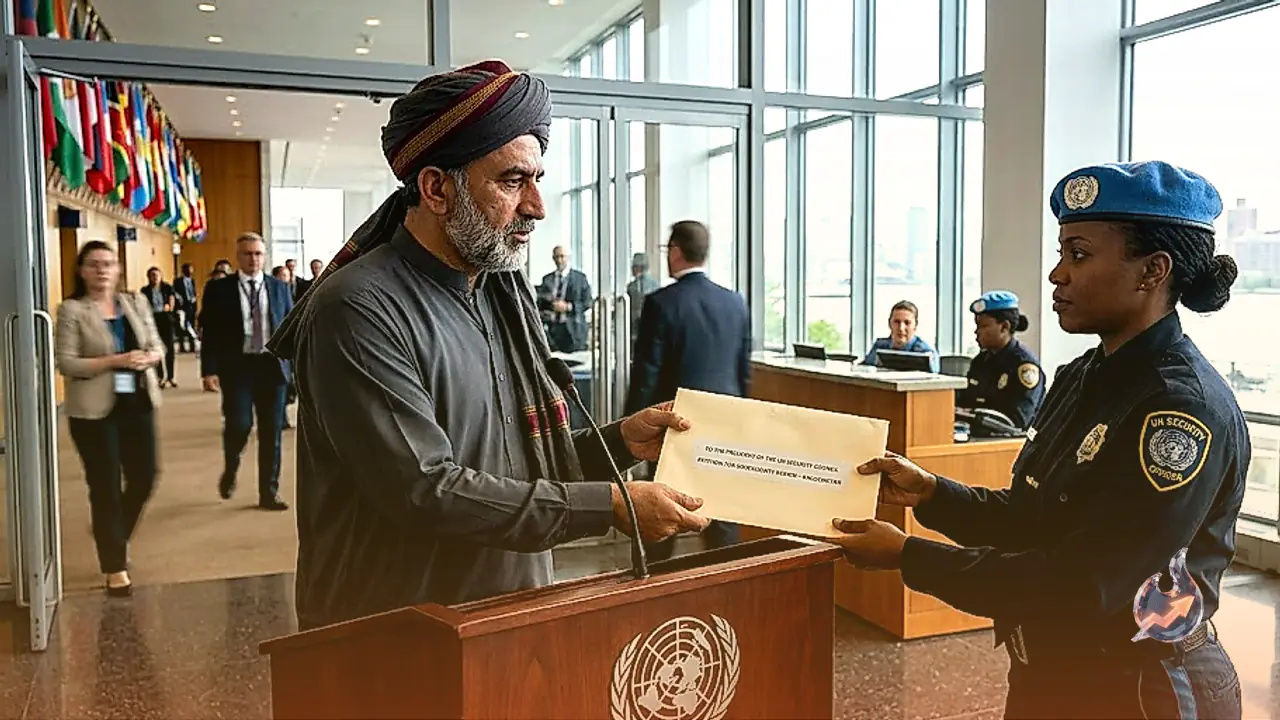
For years, Washington maintained an adversarial posture toward Eritrea, subjecting the central government in Asmara to punitive diplomatic and economic sanctions. These measures were anchored in international scrutiny over internal governance and alleged human rights violations. However, confronted by mounting risks to global oil corridors, the Trump administration has effectively set aside those long-standing human rights grievances in pursuit of crude oil security. The US has resolved to reset bilateral engagements from the ground up, lifting the full slate of sanctions and elevating a once-isolated African state into a pivotal maritime partner.
The catalyst for this unexpected rapprochement lies squarely in Eritrea's distinct geographic footprint. Following the regional war in Ethiopia's Tigray region and the grave human rights abuses documented in its wake, Washington had imposed sweeping sanctions on Eritrea in 2021. Yet as securing uninterrupted crude shipments emerged as an urgent priority, ethical critiques yielded to pragmatic realpolitik, clearing the way for strategic cooperation along the African coastline.
The Strategic Geography of the Horn of Africa and Bab el-Mandeb
Nestled within the Horn of Africa along the eastern rim of the continent, Eritrea occupies a commanding vantage point over one of the most critical marine crossroads on earth. The Red Sea represents an elongated, narrow corridor of water separating continental Africa from the Arabian Peninsula. At its southern terminus lies the narrow strait of Bab el-Mandeb, commonly recognized as the southern gateway to the Red Sea basin. Tankers laden with oil originating from Riyadh and other regional hubs, alongside cargo freighters navigating between Europe, West Asia, and the wider Asian continent, must inevitably thread this restricted bottleneck.
The geographic layout of this strait presents severe operational vulnerabilities. Along the eastern flank sits Yemen, where Houthi fighters have repeatedly launched strikes against passing commercial ships. Directly opposite, along the western perimeter, extends the coast of Eritrea. The tactical blueprint being pursued by the United States aims to guide commercial traffic away from the Yemeni shoreline, hugging the Eritrean littoral instead to curb exposure to Houthi munitions.
The logic mirrors shifting pedestrians to an opposite sidewalk when one side of a narrow alleyway turns perilous. Under this operational framework, Eritrean coastal monitoring assets can keep watch over adjacent waters, providing early warning alerts to passing vessels the moment danger emerges.
A 5 Billion Dollar Facility and Ending Reliance on Hormuz
Rerouting merchant shipping along the African shoreline forms only one pillar of this broader strategic undertaking. The Trump administration is preparing the rollout of a dedicated energy recovery fund valued at approximately 5 billion dollars, roughly 41,000 crore rupees. These capital reserves are designated to restore, rehabilitate, and fortify energy assets that have suffered severe devastation across conflict zones.
Financial resources from this facility are intended to support regional allies including Saudi Arabia and the United Arab Emirates (UAE), aiding the repair and modernization of disrupted pipeline networks and refining complexes. The overarching motivation guiding Washington is the deliberate reduction of structural dependence on the Strait of Hormuz. By engineering redundant, geographically dispersed transport arteries, the initiative seeks to prevent single-chokepoint disruptions from paralyzing global petroleum markets, explaining why Washington is now courting an administration it had systematically penalized only years earlier.
Yemeni Proximity and Eritrean Domestic Complications
Despite its conceptual appeal on tactical maps, implementing this alternative corridor faces steep practical hurdles. At its narrowest constriction, the expanse separating the shores of Yemen from Eritrea spans less than 30 kilometers. Across such a short tactical span, moving shipping lanes westward merely mitigates rather than entirely eliminates the reach of hostile salvos launched from Yemeni territory.
Compounding these operational hazards is Eritrea's internal governance architecture and historical baggage. The country secured sovereign statehood in 1993 following a grueling 30-year liberation campaign against Ethiopia. Throughout its post-independence existence, political power has remained consolidated under President Isaias Afwerki, widely categorized among the most uncompromising authoritarian rulers across the globe.
Regional Friction and the Shadow of the Tigray Conflict
Interstate ties between Eritrea and neighboring Ethiopia have long been marked by volatile friction. In 1998, unresolved territorial claims ignited a devastating conventional border war between the two Horn of Africa nations. Relations shifted dramatically in 2018 when Ethiopian Prime Minister Abiy Ahmed brokered a landmark peace accord with Asmara, an achievement that earned him the Nobel Peace Prize.
That diplomatic rapprochement subsequently evolved into a joint military intervention in the Tigray region between 2020 and 2022, a protracted conflict that resulted in tens of thousands of casualties. Navigating this fraught regional history and relying on an insular regime to safeguard one of the world's most vital energy corridors presents a precarious diplomatic challenge for the United States.