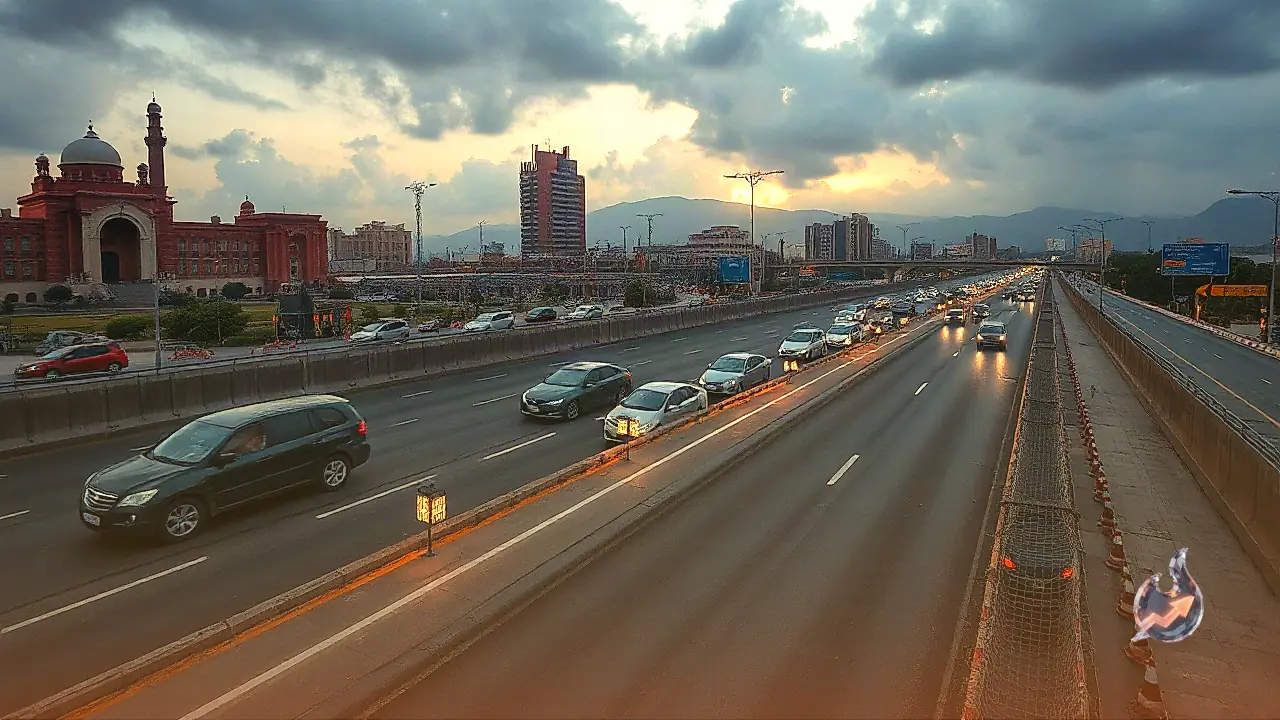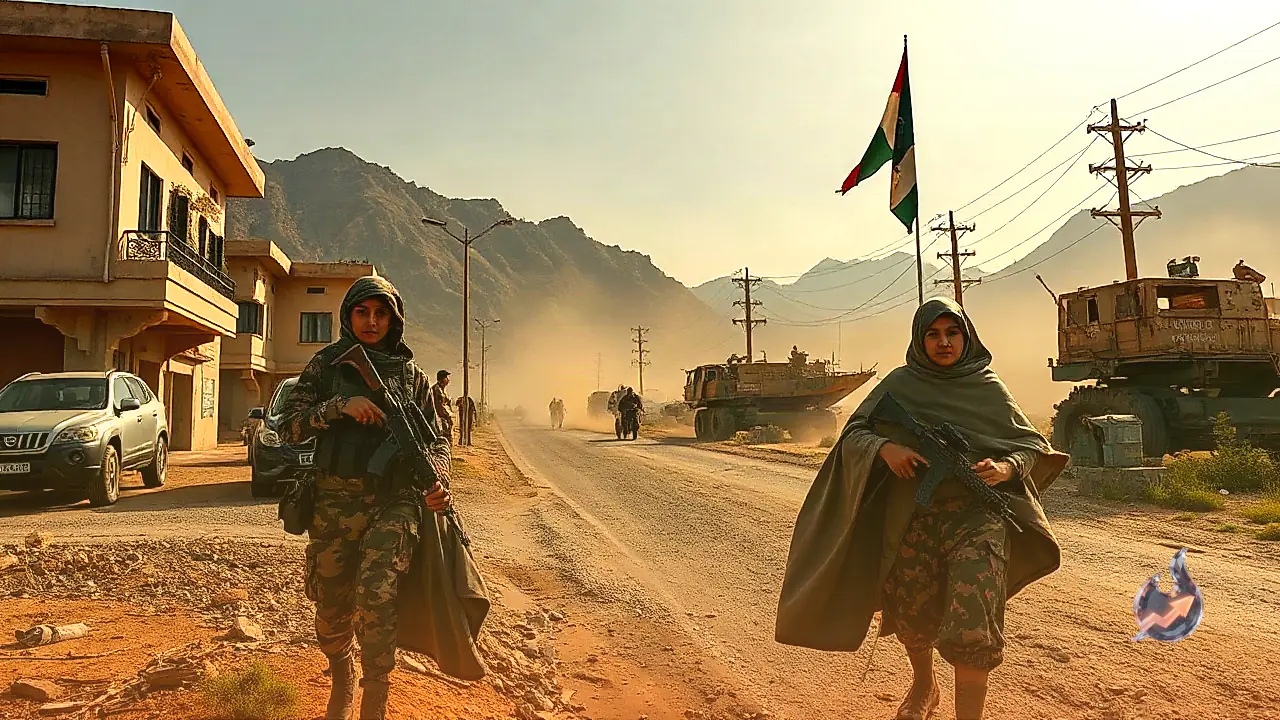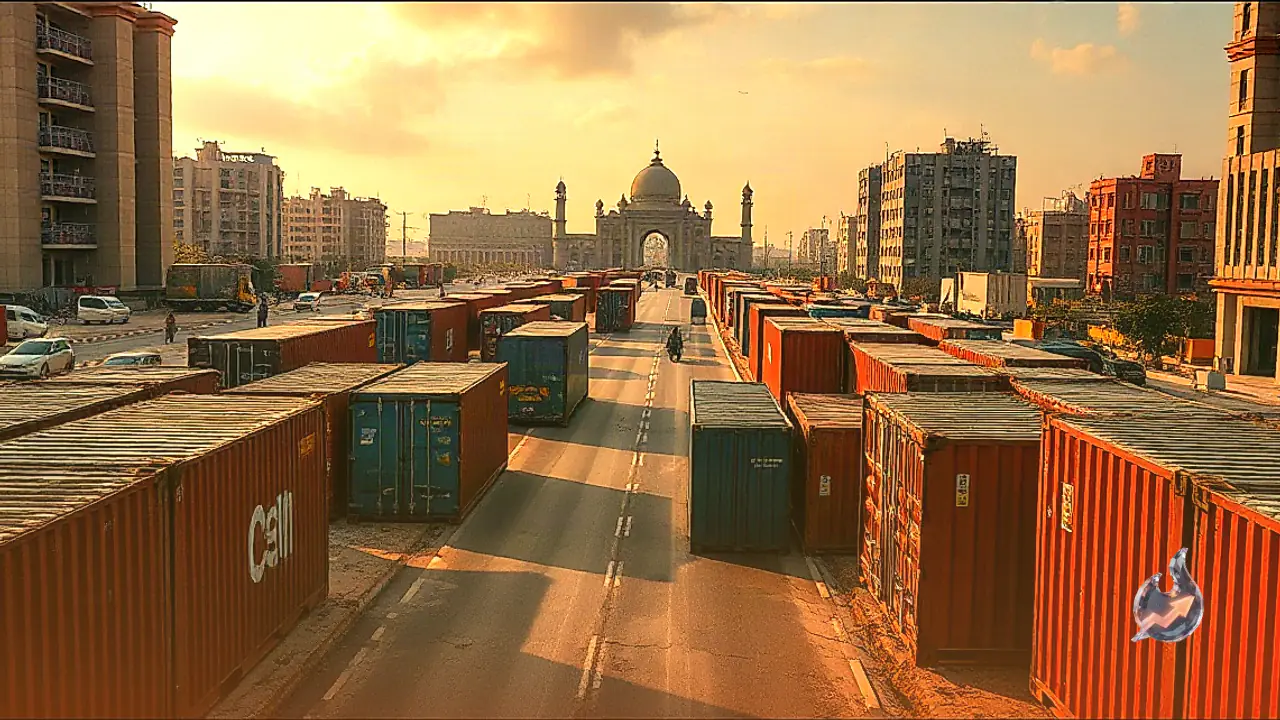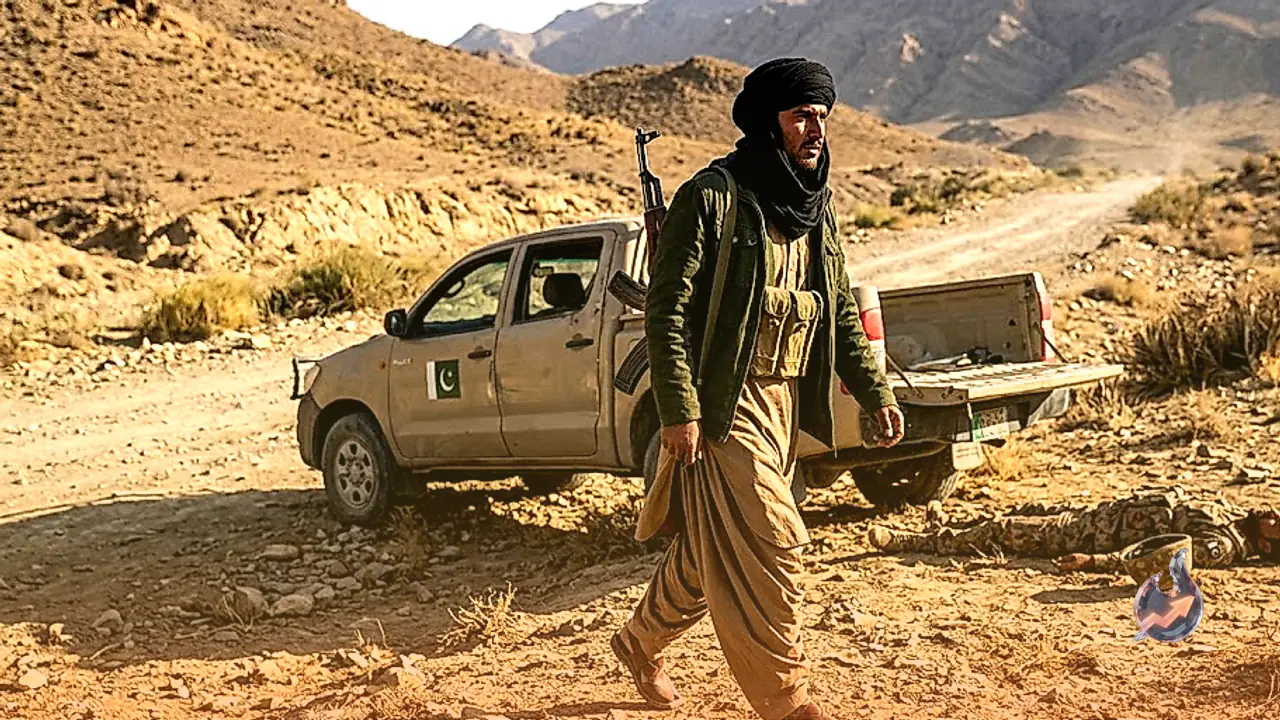





















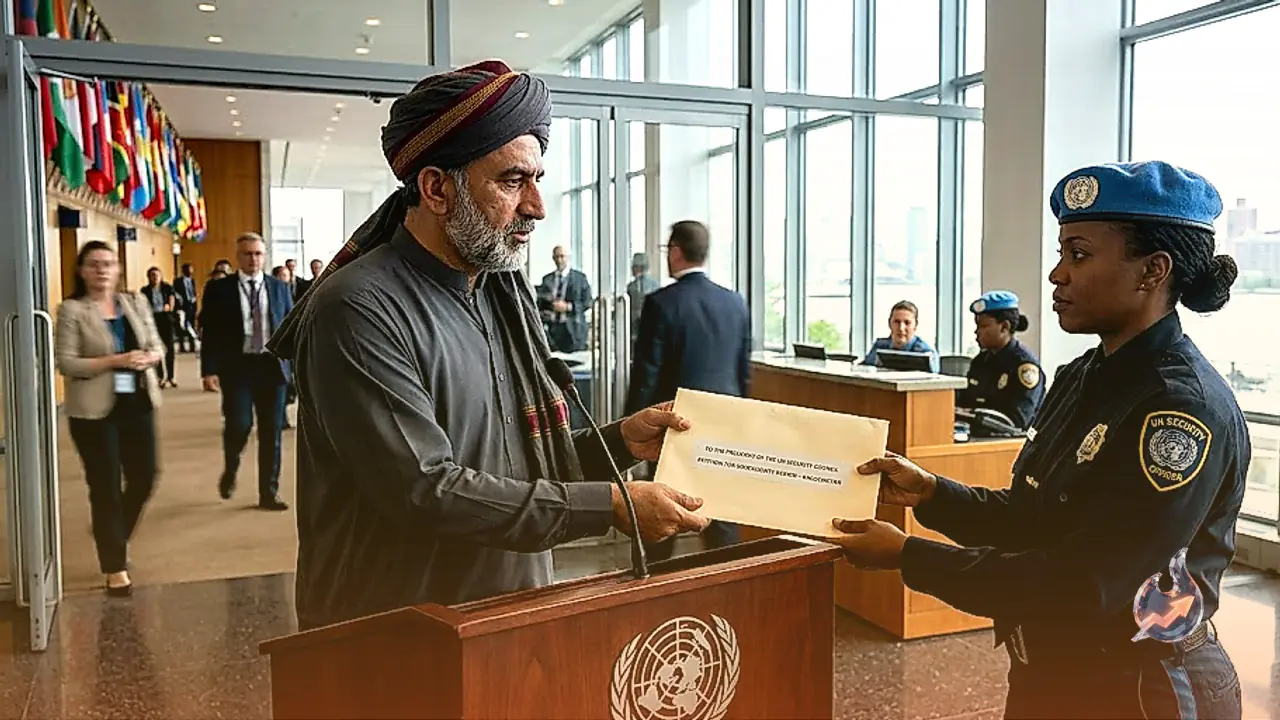

An open letter was submitted to the United Nations Security Council on September 23, 2026, by the pro-independence organisation The Republic of Balochistan, raising far-reaching claims regarding the territory's historical background, current governance, and ties with Pakistan. The detailed communication urges the international body to initiate an independent investigation into the historical and political status of Balochistan and to evaluate the feasibility of formally acknowledging it as an independent, sovereign nation.
According to the appeal, the population of Balochistan never voluntarily consented to political integration with Pakistan. Consequently, the group has petitioned the UN Security Council to formally deliberate on the indigenous Baloch people's right to self-determination under global legal frameworks.
Disputed History of the 1947 and 1948 Kalat Accession
Central to the arguments presented in the open letter are the foundational events of 1947 and 1948, focusing specifically on the historical interactions between the princely State of Kalat and the newly established Pakistani state. Historical documents indicate that in 1947, legislative bodies within Kalat explicitly turned down the proposition to merge with Pakistan. This formal opposition endured into 1948, when both chambers of the Kalat legislature reiterated their objection to any political amalgamation.
Documented records from that era reveal intense friction and prolonged negotiations surrounding the status of Kalat. The pivotal moment occurred on March 27, 1948, when the Khan of Kalat affixed his signature to the Instrument of Accession. While Pakistani official records categorize this development as an uncontested and legitimate voluntary integration into the state, the open letter disputes this version, asserting that the agreement was coerced under severe military duress and geopolitical intimidation.
Contesting Official Narratives and Territorial Influence
The correspondence directly challenges the narrative promoted by Islamabad, which frames the ongoing Baloch unrest purely as an issue of terrorism or internal law and order. The Republic of Balochistan argues that the United Nations should not treat the claims of a single state as absolute truth. Instead, international observers should gather testimony and evidence from Baloch political figures, local residents, independent researchers, historical archives, and international area specialists.
The group maintains that the prolonged conflict between Pakistani state institutions and Baloch armed factions is an expansive political crisis rather than an isolated policing challenge. The communication puts forward an assertive territorial claim, alleging that the influence of Baloch armed organizations has widened significantly, restricting the operational movement of Pakistani military units across roughly 85 percent of the territory.
Strategic Maritime Geography and Natural Wealth
Emphasizing the geopolitical weight of the area, the letter highlights the pivotal role Balochistan occupies at the crossroads of South Asia, Central Asia, the Middle East, and the Indian Ocean. With an extensive coastline stretching approximately 2,000 kilometres, key coastal nodes such as Pasni, Jiwani, Gwadar, and Chabahar possess immense commercial and logistical significance. This maritime vantage point enables direct access across the Gulf, South Asia, and broader regional maritime arteries, positioning the territory as a viable conduit for regional transit and economic cooperation.
Alongside transit advantages, the appeal underscores the immense mineral and natural reserves situated within the region. The territory houses vast deposits of petroleum, natural gas, copper, gold, chromite, coal, and marble, accompanied by extensive opportunities for renewable energy development. The Republic of Balochistan stresses that the revenue and benefits of these extractive industries should rightfully serve the local population, financing public healthcare, higher education, employment creation, modern infrastructure, and domestic economic advancement.
Citing Khawaja Asif's Remarks and Demanding Troop Withdrawal
To substantiate its critique of state policies, the communication references public remarks delivered in 2025 by Pakistan's Defence Minister, Khawaja Asif. During an April 2025 television interview with Sky News regarding past state sponsorship, training, and financing of militant outfits, Asif acknowledged that Pakistan had carried out dirty work for the United States and Western allies over a span of nearly three decades, describing the policy as an error. The open letter cites this public acknowledgment to demand a comprehensive international examination into historical proxy operations and regional security practices.
Finally, the document calls upon the United Nations to commission an impartial inquiry into allegations of state military operations, airstrikes, drone attacks, and forced displacement inside Balochistan. It urges a complete military withdrawal by Pakistan from the territory alongside the establishment of an international diplomatic framework designed to reach a negotiated political resolution. The petition further seeks an immediate cessation of cross-border military and aerial strikes impacting civilian populations across Balochistan, Afghanistan, and adjoining regions.