























Climate scientists have raised an urgent worldwide alert regarding an intensifying atmospheric pattern that could unleash catastrophic heat across multiple continents over the next six months. Emerging conditions across the Pacific Ocean are pointing toward an exceptionally severe climatic shift capable of testing human endurance. Fresh scientific assessments indicate that extreme, unseasonal heat generated by this event could claim over 4.5 lakh human lives across the globe, adding to the baseline mortality burden already driven by broader climate change. The Climate Impact Lab at the University of Chicago shared these findings while stressing the imperative for prompt interventions.
Anomalous Warming Across Pacific Waters
El Nino represents a cyclical natural climate phenomenon characterized by ocean surface temperatures in the central and eastern Pacific Ocean climbing significantly above customary levels. Whenever this vast expanse of oceanic water heats up to such an extent, it systematically disrupts wind directions, precipitation regimes, and atmospheric balances on a global scale. Researchers observe that the current episode is unfolding with extraordinary strength, registering sea surface warmth far beyond normal thresholds in several sectors. Because human activities have already driven global atmospheric temperatures higher, the addition of this oceanic heat threatens to magnify atmospheric turbulence and trigger far more devastating weather extremes.
Projection of Over 4.5 Lakh Casualties
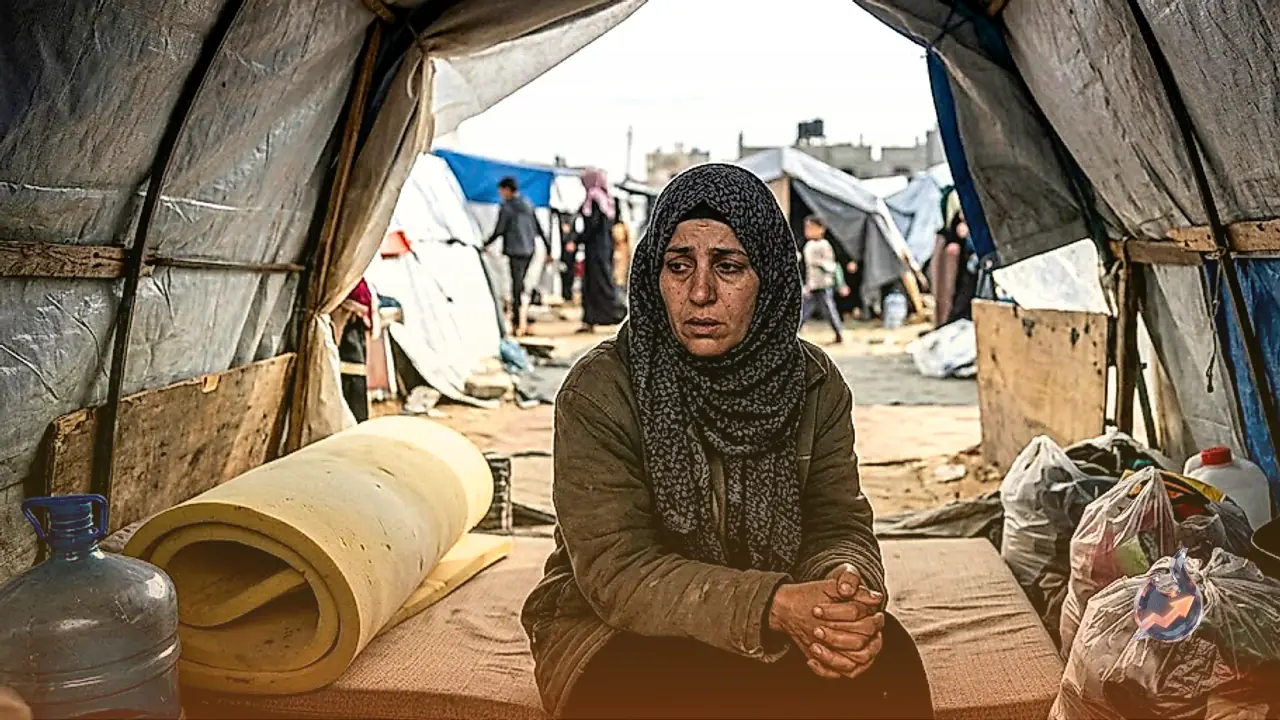
The statistical assessment of excess mortality highlights a deeply sobering human toll, putting the potential fatality figure at approximately 4,51,000 people across diverse territories. Michael Greenstone, a professor at the University of Chicago, co-founder of the Climate Impact Lab, and co-author of the report, stressed the gravity of this projection. Greenstone remarked that estimating 4,51,000 potential deaths is on such an immense scale that grasping its full reality can be difficult. He highlighted that these metrics are not abstract statistics but represent parents, children, senior citizens, neighbors, and people carrying out their everyday routines.
Global Repercussions From India to the Americas
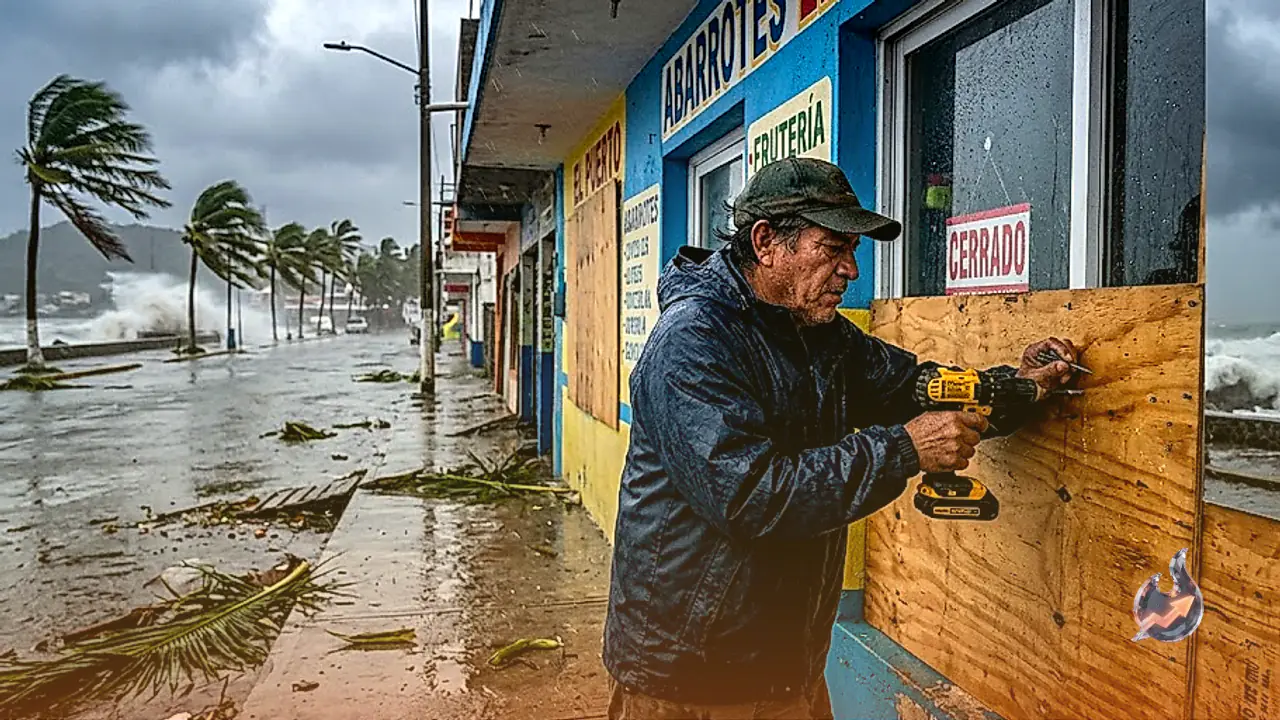
The reach of this anomalous atmospheric development will span vast geographical distances. According to researchers, the fallout will be felt across nations such as India, Indonesia, Nigeria, and the United States. Under its influence, global weather is poised to split into violent extremes. While some regions confront unrelenting droughts, parched landscapes, and forest fires, other areas face the menace of deluge, cloudbursts, severe flooding, and cyclonic storms. Beyond immediate physical dangers, these atmospheric shocks threaten agricultural output, jeopardize food distribution networks, overwhelm medical infrastructures, and exert acute strain on national economies.
Preparedness and Mitigation to Protect Vulnerable Groups
Scientists note that this projection should not be viewed as an unalterable fate, but rather as an assessment of looming danger designed to aid proactive governance. The study delineates geographic vulnerabilities so that municipal bodies and governments can deploy localized safeguards before seasonal peaks hit. While fully neutralizing an event of this scale remains impossible, robust planning can markedly reduce the loss of human lives. Recommended steps include implementing advanced heat warning systems, establishing public cooling centers, augmenting clinical personnel in medical institutions during severe temperature spells, and enforcing stringent workplace safety protocols for outdoor laborers.