























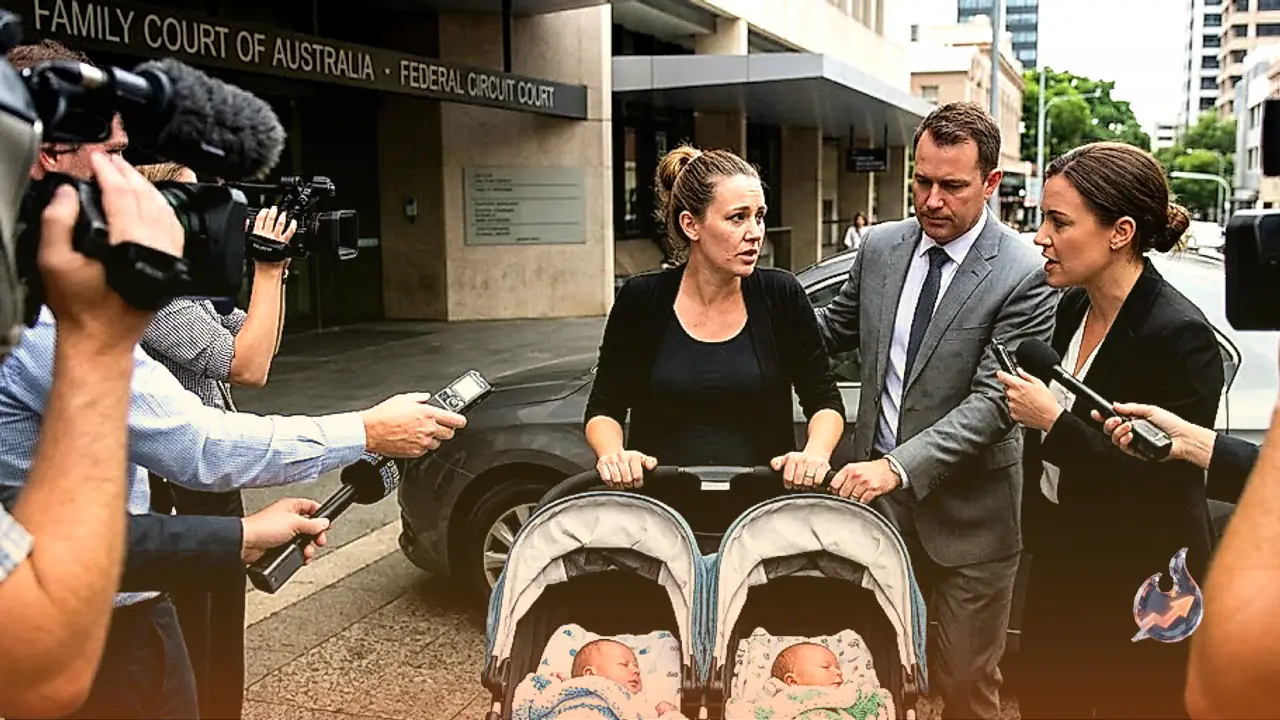

A unprecedented medical and legal case has emerged from Queensland, Australia, where a single pregnancy resulted in twins born to two completely different sets of biological parents. In November 2025, a surrogate mother gave birth via C-section to a twin boy and girl, with one child conceived through assisted reproductive technology and the other through natural conception. While both families reached a harmonious understanding regarding the children, the extraordinary nature of the birth created a complex legal puzzle for Queensland's statutory framework and judiciary.
Surrogacy Agreement and Initial Medical Procedure
The situation originated from an altruistic agreement between two friendly couples. A Brisbane couple was unable to conceive naturally because the woman was born without a uterus. Desiring to start a family, they turned to their friends, a couple who were already raising five children of their own. The surrogate mother agreed to carry a pregnancy for the couple on an altruistic basis, without commercial compensation.
In April 2025, medical professionals performed an IVF embryo transfer, successfully implanting the intending couple's embryo into the surrogate mother's womb. At the outset, the procedure appeared straightforward, aimed solely at delivering a biological child for the intending parents.
Ultrasound Findings and Dual Conception Discovery
Approximately two weeks following the IVF procedure, the surrogate mother underwent a routine ultrasound scan. To the astonishment of the attending medical team, the imaging revealed two distinct embryos developing within the uterus. Subsequent medical evaluations uncovered a remarkably rare phenomenon involving concurrent pregnancies.
Diagnostic testing established that one embryo had developed into a baby girl, biologically belonging to the intending couple through the implanted IVF embryo. Meanwhile, the second embryo was a baby boy, conceived naturally by the surrogate mother and her husband around the exact same timeframe as the medical procedure. Consequently, the surrogate's womb carried two infants sharing the same gestational period but possessing entirely different genetic heritages.
Delivery and Separate Parental Custody
In November 2025, both infants were delivered on the same day through a C-section procedure. Despite sharing a single pregnancy journey and an identical birth date, the children represented two distinct genetic lineages.
Following the delivery, each child was placed with their respective biological parents without conflict. The baby girl joined the intending couple who had initiated the surrogacy arrangement, while the baby boy remained with the surrogate mother and her husband to be raised alongside their five older children. Both families operated with full transparency and mutual agreement regarding parentage.
Queensland Statutory Challenge and Legal Ambiguity
Despite the amicable resolution between the families, the case required formal legal adjudication under Queensland surrogacy statutes. The existing legislation had not contemplated a scenario where a single twin pregnancy yields children with different biological parentage structures.
Under Queensland law, twins born from a surrogacy arrangement are categorized as birth siblings from a single gestational event. The statutory framework generally requires that parentage orders for birth siblings must be granted jointly in favor of the intending parents. However, because only one child was legally and biologically the product of surrogacy, applying standard parentage orders created a significant legal conflict. The court was forced to navigate the statutory definitions surrounding birth siblings and surrogacy arrangements to resolve the legal status of both infants.